
Healthcare
5 Common Myths About Root Canal Treatment – Debunked!


Root canal treatment (RCT) – those three words can send shivers down anyone’s spine. For years, this dental procedure has been associated with intense pain, long recovery times, and complicated procedures. However, if you ask your local Perth or Melbourne dentist, they’ll tell you a completely different story.
Despite its reputation, modern root canal treatments are nowhere near as bad as people think. In fact, a root canal can actually save your tooth and improve your oral health. In this blog, we’ll take a deep dive into the most common myths surrounding root canal treatments and show you the truth behind the procedure.
Myth 1: Root Canal Treatment is Extremely Painful
The Truth:
One of the most persistent myths about root canal treatment is that it’s excruciatingly painful. But is it really true?
- Modern Dentistry is Painless: Thanks to advances in dental technology and local anaesthesia, root canal treatment is far more comfortable than ever before.
- Local Anaesthesia: The procedure is done under local anaesthesia, meaning you’ll be numbed up, and won’t feel any pain during the treatment.
- Pain Before, Not During: Most of the pain people associate with root canals actually comes from the infection, not the treatment itself. Once the infection is cleared out, you’ll likely feel much better.
The Verdict:
Root canal treatment is not painful. Modern techniques and numbing agents make the procedure virtually painless.
Myth 2: A Root Canal is a Long and Complicated Procedure
The Truth:
Another common misconception is that a root canal is a long and drawn-out process. Many people think they’ll be in the chair for hours, suffering through multiple visits.
- Quick and Efficient: In reality, root canal treatment typically takes just one or two visits to complete, depending on the severity of the infection.
- Duration: The procedure usually takes between 60 and 90 minutes. In some cases, if the infection is complicated, a second visit may be required.
- Technology Makes It Easier: Thanks to modern technology, your dentist can complete the procedure efficiently, making it much less complicated than in the past.
The Verdict:
Root canal treatment is not long or complicated. Most procedures are completed in one visit, and modern technology makes the process quick and easy.
Myth 3: A Root Canal Makes the Tooth Weak and Prone to Damage
The Truth:
A common myth is that once a tooth undergoes a root canal, it becomes weak and vulnerable to further damage. But that’s far from the truth.
- Crown Restoration: After a root canal, the tooth is usually restored with a crown, which provides strength and protection.
- No Need to Worry: A crowned tooth that has undergone root canal treatment is just as strong as it was before the infection. With proper care, it can last many years, even decades.
- Normal Function: The tooth can still perform its usual functions, from chewing to speaking, without issue.
The Verdict:
A root canal does not weaken your tooth. In fact, with the proper restoration (a crown), your tooth will be just as strong and functional as it was before.
Myth 4: Root Canal Treatment is Expensive and Not Worth It
The Truth:
Some people think that root canal treatment is an expensive procedure, and that it’s just easier to get the tooth extracted. But is it really the best option?
- Cost Comparison: While the cost of a root canal treatment might seem high initially, it is far more affordable than extracting the tooth and replacing it with an implant or bridge.
- Long-Term Investment: Saving your natural tooth with a root canal is always the better option for long-term oral health. Implants or bridges can be costly and may not last as long as a well-treated natural tooth.
- Insurance Coverage: In many cases, dental insurance covers root canal treatments, making the procedure even more affordable.
The Verdict:
Root canal treatment is a cost-effective way to save your natural tooth. It’s less expensive in the long run compared to extractions and replacements.
Myth 5: Root Canal Treatment Causes Illnesses or Infections
The Truth:
Perhaps the most unfounded myth of all is that root canal treatment causes illnesses or spreads infection. Let’s take a closer look at why this is simply not true.
- Root Canal Removes Infection: In reality, root canal treatment is designed to remove the infection from the tooth. This prevents the infection from spreading to other parts of your body.
- High Success Rate: Root canal treatments are incredibly safe and have a high success rate, often saving teeth that would otherwise need to be extracted.
- Research Supports Safety: Studies show that root canal treatment doesn’t cause illness. On the contrary, it helps eliminate the root cause of infection, improving your overall health.
The Verdict:
Root canal treatment does not cause illness or infection. In fact, it helps protect your health by removing harmful bacteria from infected teeth.
Pie Chart: Common Myths About Root Canal Treatment

Here’s a pie chart showing the most common myths about root canal treatment, as based on a survey of 1,000 Australian dental patients:
| Myth | Percentage of Respondents |
| Root Canal is Extremely Painful | 40% |
| Root Canal is a Long and Complicated Procedure | 35% |
| Root Canal Weakens the Tooth | 20% |
| Root Canal is Expensive and Not Worth It | 30% |
| Root Canal Causes Illness or Infection | 25% |
The Benefits of Root Canal Treatment
Now that we’ve debunked the myths, let’s look at the benefits of root canal treatment:
- Saves Your Natural Tooth: Root canal treatment helps save your natural tooth and keeps it in place, which is always the best option.
- Relieves Pain: The procedure removes the infected pulp and eliminates the pain caused by the infection.
- Prevents Further Infection: By removing the infection, root canal treatment prevents the bacteria from spreading to other parts of your mouth.
- Restores Function: After a root canal, the tooth is restored with a crown, allowing you to chew and bite like normal.
Conclusion
There’s no need to fear root canal treatments. The myths that have surrounded this procedure for years are just that — myths. Thanks to advances in modern dentistry, root canals are far more comfortable, quicker, and safer than ever before. They are a fantastic way to save your tooth and restore your oral health without unnecessary pain or discomfort.
So, next time someone tells you that root canals are painful or complicated, you can confidently debunk those myths. With proper care and modern technology, a root canal can be a simple, life-saving procedure that will keep your smile intact for years to come.
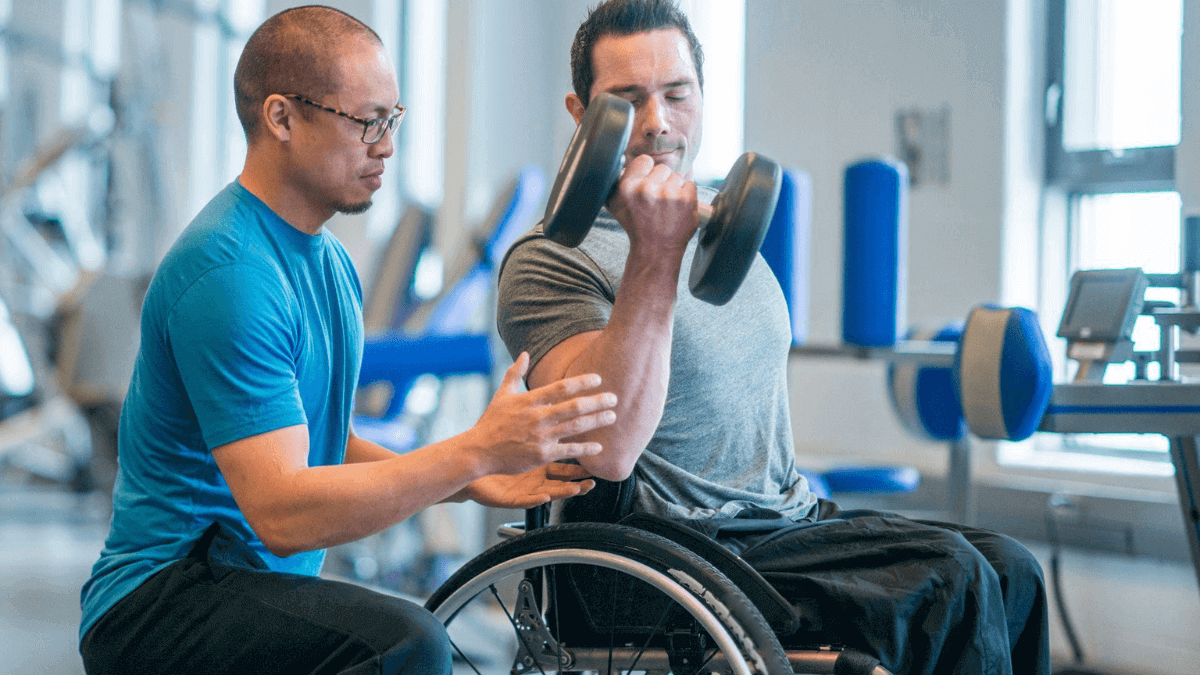
Injuries can disrupt everyday life, making simple activities like walking, lifting, or exercising uncomfortable. Whether the injury comes from sports, work, or daily physical strain, recovery often requires more than rest. Structured rehabilitation and guided exercise can play a key role in healing. This is where an Exercise Physiologist Epping becomes valuable for people seeking effective recovery support within the local community.
Epping is a growing suburb in Melbourne’s northern region, with many residents leading active lifestyles, commuting for work, and participating in sports or fitness activities. Because of this, injuries related to physical activity, posture, or repetitive strain are common. Exercise physiology offers a practical solution that helps individuals recover safely while rebuilding strength and mobility.
Understanding how this approach works can help people in Epping and nearby areas make better decisions about their injury recovery journey.
The Role of an Exercise Physiologist in Epping’s Injury Recovery Support
For residents dealing with injuries or long-term pain, an Exercise Physiologist Epping focuses on improving physical function through carefully designed exercise programs. These professionals assess how the body moves and identify areas where weakness, stiffness, or imbalance may be slowing recovery.
In communities like Epping, many injuries are linked to work environments, gym training, sports participation, or prolonged sitting during commuting. Exercise physiologists evaluate these factors to create rehabilitation plans suited to a person’s daily routine.
Their role often involves:
- Assessing posture, mobility, and muscle strength
- Identifying movement patterns that may contribute to pain
- Creating tailored exercise plans to rebuild strength
- Tracking progress and adjusting exercises as recovery improves
This structured guidance helps individuals recover without placing unnecessary stress on the injured area.
Why Exercise-Based Rehabilitation Is Effective
The body naturally heals over time, but proper movement can significantly improve the recovery process. Muscles, joints, and connective tissues need gradual activity to regain strength and flexibility after injury.
Exercise physiology focuses on controlled movement that supports healing rather than aggravating the injury. Instead of sudden intense activity, exercises are introduced gradually so the body adapts safely.
People recovering from injuries often experience several improvements when following a structured program:
- Increased muscle strength surrounding the injured area
- Better joint mobility and flexibility
- Reduced pain and stiffness during daily activities
- Improved balance and body coordination
These benefits allow individuals to return to normal routines more comfortably and confidently.
Injuries Commonly Seen Among Epping Residents
In a busy suburb like Epping, injuries often occur due to work-related activities, fitness training, or sports participation. Many people also experience physical strain from long hours of sitting or repetitive movement.
Some of the most common conditions that benefit from exercise physiology include:
- Lower back pain from prolonged sitting or lifting
- Shoulder injuries related to work or gym training
- Knee pain caused by sports or joint stress
- Muscle strains from physical labour or sudden movement
- Rehabilitation after orthopaedic surgery
During the rehabilitation process, guidance from an experienced Exercise Physiologist Epping helps individuals gradually rebuild strength while protecting the injured area.
Personalised Exercise Programs for Better Recovery
One of the key reasons exercise physiology is effective is its personalised approach. Every injury is different, and each individual has unique physical demands based on work, lifestyle, and fitness levels.
A rehabilitation program usually begins with a detailed assessment of movement patterns, muscle strength, and flexibility. Based on these findings, a tailored exercise plan is developed to support recovery.
Typical rehabilitation programs may include:
- Strength training to support injured muscles and joints
- Stretching routines to improve flexibility
- Core stability exercises to support posture
- Balance and coordination training
- Gradual return-to-activity plans for sports or work
These programs are adjusted over time to match the individual’s recovery progress.
Long-Term Health Benefits for Epping Residents
Although exercise physiology focuses on recovery, its benefits extend beyond the initial injury. Many individuals notice improvements in overall physical health and movement after completing rehabilitation programs.
For residents in active communities like Epping, maintaining strength and flexibility is important for preventing future injuries. Exercise physiology helps people develop better movement habits and stronger muscles, which can reduce physical strain in everyday life.
Some long-term advantages include:
- Better posture and body alignment
- Increased strength and endurance
- Reduced risk of recurring injuries
- Improved physical confidence during activity
These benefits support healthier lifestyles and help individuals stay active without discomfort.
When People in Epping Should Consider Exercise Physiology
Many people seek exercise physiology support after physiotherapy, medical treatment, or surgery when they want to safely rebuild their physical strength. Others look for professional guidance when persistent pain affects their daily routine.
Exercise physiology may be beneficial when:
- Pain continues after an injury
- Movement feels limited or uncomfortable
- Muscle strength has reduced after inactivity
- A safe return to sports or physical work is needed
With professional support, individuals can follow a structured rehabilitation plan that supports both recovery and long-term health.
FAQs
1. What does an exercise physiologist do for injury recovery?
An exercise physiologist develops personalised exercise programs that help restore strength, mobility, and physical function after injuries or medical conditions.
2. Can an Exercise Physiologist Epping help with sports injuries?
Yes. Exercise physiologists commonly help people recover from sports injuries by improving muscle strength, mobility, and movement patterns.
3. How long does rehabilitation usually take?
Recovery time varies depending on the severity of the injury. Some individuals recover within weeks, while others may require longer rehabilitation programs.
4. Do I need a referral to see an exercise physiologist?
In many cases, a referral is not required. However, referrals from doctors or physiotherapists may sometimes be recommended for specific treatment plans.
5. Is exercise physiology suitable for older adults?
Yes. Exercise physiology can benefit people of all ages, including older adults who want to improve strength, mobility, and overall physical health.
Conclusion
Injury recovery requires more than patience. Without proper rehabilitation, pain, stiffness, and weakness may continue long after the initial injury. Exercise physiology provides a structured and practical approach that helps individuals rebuild strength and restore mobility safely.
For residents dealing with injury-related limitations, guidance from an Exercise Physiologist Epping can make recovery more effective and manageable. Through personalised exercise programs and gradual progress, individuals can return to their normal routines while improving their long-term physical health.
With the right support and consistent effort, exercise physiology offers a practical path toward faster recovery and stronger movement for people living in Epping and surrounding communities.
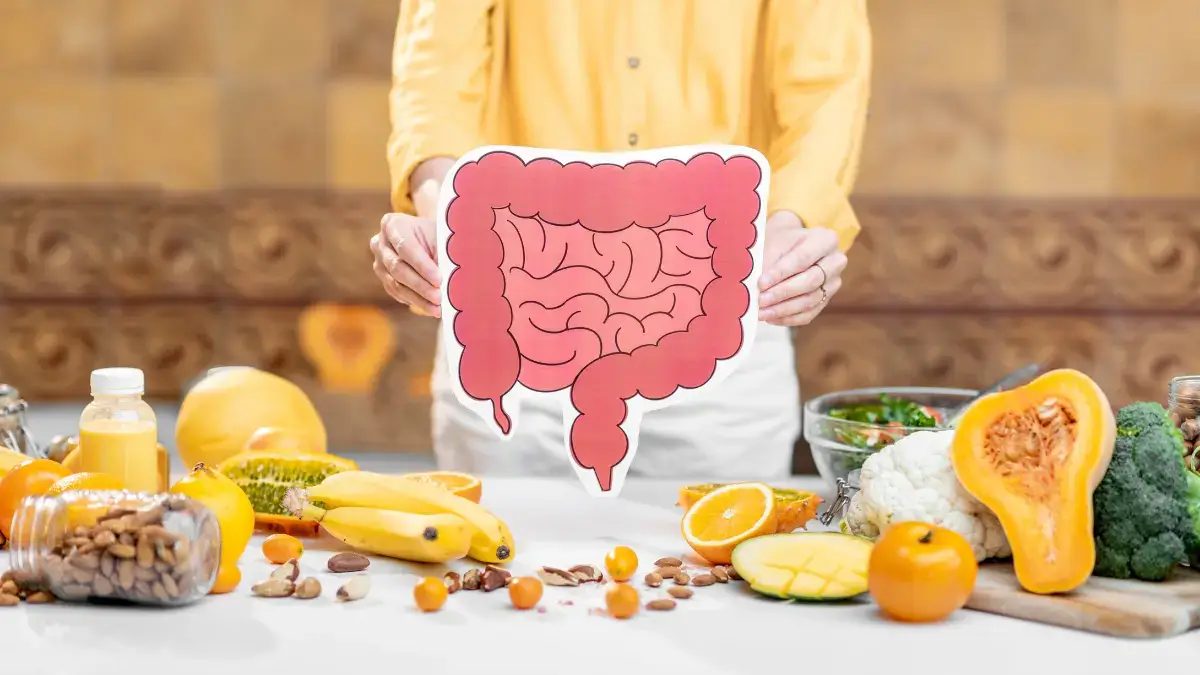
In recent years, collagen has become one of Australia’s most talked-about wellness supplements. While many people link collagen to skin elasticity, joint support, and healthy ageing, there’s another benefit that often goes under the radar: gut health. More Aussies are now turning to collagen to support digestion, reduce inflammation, and strengthen their intestinal lining.
This article explores the science, benefits, and practical tips behind collagen and gut health, helping you understand how this powerful protein may boost your digestive wellness.
What Is Collagen?
Collagen is the most abundant protein in the human body. It provides structure to your:
- Skin
- Bones
- Muscles
- Connective tissues
- Digestive tract
Your gut lining, especially the intestinal wall, is rich in collagen. When collagen levels decline due to ageing, stress, poor diet, or illness, your gut’s structural integrity can weaken — potentially leading to digestive discomfort or imbalance.
How Collagen Supports Gut Health
1. Helps Repair and Strengthen the Gut Lining
The walls of your intestines are made from proteins, including collagen and amino acids like glycine and glutamine. These components help repair the mucosal lining and maintain a strong barrier.
A healthy gut lining prevents leaky gut—a condition where toxins and particles pass into the bloodstream, causing inflammation and digestive issues.
2. Reduces Gut Inflammation
Collagen contains glycine, an anti-inflammatory amino acid known to calm digestive irritation. This is particularly beneficial for people with:
- IBS (Irritable Bowel Syndrome)
- IBD (Crohn’s, Ulcerative Colitis – always seek medical advice)
- Chronic bloating or discomfort
By reducing inflammation, collagen may support smoother and less painful digestion.
3. Supports Stomach Acid Production
Low stomach acid is surprisingly common and can lead to:
- Bloating
- Indigestion
- Nutrient malabsorption
Collagen helps promote adequate gastric acid levels, supporting proper breakdown of foods and improved nutrient absorption.
4. Supports Healthy Gut Motility
Certain amino acids in collagen help regulate digestion speed, supporting a more balanced digestive rhythm. This is helpful for both constipation and irregular bowel movements.
5. Boosts Beneficial Gut Bacteria
Emerging research suggests collagen may encourage a healthy gut microbiome by supporting an environment where beneficial bacteria can thrive — an essential part of overall digestive wellness.
Types of Collagen for Gut Health
1. Collagen Peptides (Hydrolysed Collagen)
The most popular option in Australia.
Easily digested and great for daily gut support.
2. Gelatin
A natural form of cooked collagen.
Often used in broths, gummies, and homemade wellness snacks.
3. Bone Broth
A traditional, whole-food source of collagen.
Rich in minerals, amino acids, and nutrients that nourish the gut lining.
Who Can Benefit from Collagen for Gut Health?
Collagen may be helpful for Australians who experience:
- Frequent bloating
- Mild digestive discomfort
- Gut inflammation
- Food sensitivities
- Stress-related gut issues
- Poor nutrient absorption
- Ageing-related decline in collagen levels
It’s also widely used by athletes, busy professionals, and older adults who want to support digestion naturally.
Always consult a healthcare professional if you have a medical condition or ongoing gut symptoms.
How to Take Collagen for Digestive Wellness
1. Add Collagen Powder to Drinks
Easy options include:
- Coffee
- Smoothies
- Protein shakes
- Herbal tea
Hydrolysed collagen dissolves quickly and has no taste.
2. Incorporate Bone Broth Into Meals
Try adding it to:
- Soups
- Curries
- Slow-cooked dishes
Bone broth offers both collagen and digestion-supporting minerals.
3. Use Gelatin in Recipes
Gelatin can be added to:
- Homemade gummies
- Puddings
- Healthy desserts
4. Consider Morning or Evening Timing
Many people take collagen:
- Morning – to support digestion throughout the day
- Evening – when the body repairs the gut lining
Either time is effective as long as intake is consistent.
How Long Does It Take to See Gut Health Benefits?
Most Australians notice improvements within:
- 2–4 weeks – reduced bloating and better digestion
- 6–8 weeks – improved regularity and gut comfort
- 8–12 weeks – stronger effects on inflammation and gut lining support
Consistency is key.
Collagen and Gut Health: Are There Any Side Effects?
Collagen is generally considered safe. Minor side effects may include:
- Mild bloating (usually temporary)
- Digestive adjustments as your gut adapts
Choosing a high-quality, Australian-made collagen with no additives reduces the chance of issues.
Choosing the Best Collagen Supplement in Australia
When buying a collagen supplement, look for:
- Grass-fed, pasture-raised sources
- Hydrolysed peptides for better absorption
- A product with no artificial fillers or flavours
- Australian-made for quality assurance
- A brand with transparency and third-party testing
Final Thoughts
The connection between collagen and gut health is becoming increasingly recognised in the wellness world — and for good reason. Collagen supports the gut lining, reduces inflammation, improves digestion, and promotes a balanced microbiome.
Also Read This: Looking to Strengthen Your Independence? NDIS Providers Offer Consistent, Tailored Support for Sustainable Growth
General
Looking to Strengthen Your Independence? NDIS Providers Offer Consistent, Tailored Support for Sustainable Growth

Independence is something we all strive for, but for many people with disabilities, achieving it can feel like a daunting task. That’s where NDIS providers on the Gold Coast come in, offering consistent, tailored support to help you grow and live more independently. Whether you’re looking to strengthen your skills, improve your daily routines, or reach long-term goals, working with the right NDIS provider can make all the difference.
With a reliable NDIS provider, you get more than just assistance— you get a partner who supports your personal growth, helping you achieve sustainable independence that lasts a lifetime. Let’s dive into how NDIS providers can help you on your journey towards greater independence.
What is the NDIS and How Does It Help Strengthen Independence?
The NDIS (National Disability Insurance Scheme) is a government-sponsored program aimed at offering assistance to Australians living with disabilities. The goal of the NDIS is to help people live more independently by offering funding for services that enable them to achieve their personal goals.
- NDIS support encompasses a broad spectrum of services, including personal care, therapy, home modifications, and help with community engagement.
- NDIS providers are professionals who work with individuals to ensure that their needs are met through tailored care plans.
On the Gold Coast, NDIS providers are committed to helping people with disabilities lead more independent and fulfilling lives, by offering the consistent support necessary for real progress.
How NDIS Providers on the Gold Coast Promote Independence
Living independently does not merely mean handling everything on one’s own. It’s about having the right support to help you manage tasks, improve your skills, and make choices that align with your personal goals. Here’s how NDIS providers in the Gold Coast promote sustainable growth and independence:
1. Tailored Support Plans for Personalised Care
One of the key benefits of working with an NDIS provider Gold Coast is that they create personalised care plans. These plans are designed around your unique needs, goals, and abilities.
- Support is customised to help you achieve specific goals, whether that’s becoming more mobile, managing daily tasks, or participating in social activities.
- The right provider will create a plan that adapts as your needs change, ensuring continuous support.
With a tailored support plan, you’re not just receiving generic care— you’re receiving care that’s designed specifically for you.
2. Skill Development for Long-Term Growth
Becoming independent isn’t just about assistance—it’s about developing the skills to manage your life effectively. NDIS providers offer various services to help you build key skills for everyday living.
- Life skills training, such as budgeting, cooking, or time management.
- Health and wellbeing coaching, helping you stay active and manage your mental health.
- Mobility assistance to help you move safely and confidently in your home or community.
These services not only help you gain independence but also provide the confidence to live a self-sufficient life.
The Benefits of Working with an NDIS Provider on the Gold Coast
Working with an experienced NDIS provider Gold Coast offers a host of benefits for those looking to strengthen their independence. Here is what you can anticipate gaining:
1. Consistency and Reliability
Consistency is key to building independence. With a reliable NDIS provider, you won’t have to worry about gaps in your care or support. This reliability helps you maintain a steady routine, which is essential for long-term growth.
- Reliable, consistent care tailored to your needs.
- Continuous support, ensuring you have help when you need it most.
This consistency makes a big difference in managing everyday tasks and improving your overall quality of life.
2. Empowerment Through Choice and Control
A good NDIS provider doesn’t just offer services—they empower you to make decisions about your life. They work with you to set goals, choose the support that best meets your needs, and give you the control you deserve.
- Goal setting for personal achievements.
- Choice in how care is provided to suit your preferences and needs.
This sense of control enhances your confidence, ensuring that you feel more empowered in your daily life.
How Much Does NDIS Support Cost?
The cost of NDIS support can vary based on the level of care and services required. However, many of these costs are covered under your NDIS funding. Here’s a general overview of typical costs for services provided by NDIS providers on the Gold Coast:
| Service Type | Average Cost per Hour |
| Personal Care Support | \$45 – \$75 |
| Household Assistance | \$50 – \$80 |
| Social Participation | \$60 – \$90 |
| Skill Development | \$45 – \$70 |
These are approximate costs and can vary based on the type of service and provider.
If your NDIS plan includes these types of supports, most of these costs will be covered under your funding.
Choosing the Right NDIS Provider on the Gold Coast
When choosing an NDIS provider on the Gold Coast, it’s important to find a provider that fits your needs, goals, and lifestyle. Here are a few tips to help:
1. Know Your Needs
Before selecting a provider, assess your needs. What kind of support do you require? Do you need assistance with personal care, household tasks, or social activities? Understanding your requirements will assist you in refining the available choices.
2. Research Providers
Seek out providers that are registered with the NDIS and possess experience in assisting individuals with comparable requirements.Check reviews, ask for recommendations, and speak with a provider directly to get a feel for their services.
3. Understand the Services Provided
Ensure that the provider delivers the services you require. Some providers specialise in specific areas like personal care or therapy, while others offer broader support, including social and community participation.
Conclusion
Strengthening your independence is an ongoing journey, and working with the right NDIS provider Gold Coast can make all the difference. With tailored support, consistent care, and opportunities for skill development, you can confidently navigate life’s challenges and live the life you deserve.
Whether it’s gaining independence in personal care, developing new skills, or staying active in your community, NDIS providers offer the tools and support you need for sustainable growth. Reach out to a provider today and start building the independence you’ve been working towards.
FAQs
1. How do NDIS providers help with independence?
NDIS providers help individuals with disabilities gain more independence by providing personalised care, skill development, and social participation.
2. What kind of support can I expect from an NDIS provider on the Gold Coast?
NDIS providers on the Gold Coast offer a range of services including personal care, community engagement, household assistance, and skill development.
3. How much does NDIS support cost?
NDIS support typically ranges from \$45 to \$90 per hour for services like personal care and social participation. Most costs are covered under your NDIS funding.
4. Can NDIS providers help with social activities?
Yes, NDIS providers on the Gold Coast can assist with social participation, including helping you attend community events and activities.
5. What criteria should I consider when selecting an appropriate NDIS provider?
To choose the right provider, assess your needs, research available providers, and make sure they offer the services you require.

How Exercise Physiology Helps People Recover Faster from Injuries

What Locals Love About Kilmore Taxi: A Practical Look at Service Quality

Real Plumbing Advice from a Plumber Sydney You Shouldn’t Ignore

The Science Behind Melbourne’s Unpredictable Climate: What’s Really Going On?

5 Must-Try Halal Restaurants You Can’t Miss in Geelong

Top 3 Halal Restaurants in Ballarat You Must Try
-
 Melbourne10 months ago
The Science Behind Melbourne’s Unpredictable Climate: What’s Really Going On?
-
 Food10 months ago
5 Must-Try Halal Restaurants You Can’t Miss in Geelong
-
 Food10 months ago
Top 3 Halal Restaurants in Ballarat You Must Try
-

 Food4 months ago
Felix Cat Food Review: Is It the Right Choice for Your Cat?
-
 Eco Friendly4 years ago
Plastic-Free Coffee Makers: Myth or Must-Have?
-

 Food10 months ago
Comparing the 4 Best Burger Joints in Werribee
-

 Healthcare4 years ago
7 Top NDIS Providers in Melbourne That’ll Make Life a Whole Lot Easier
-

 Food10 months ago
Best Indian Cuisine in Perth: Top 5 Restaurants You Must Try