
Eco Friendly
How Aussie Businesses Can Reduce Plastic Pollution


If you run a business and you want to cut the plastic it sends into the world, the short answer is that four things matter most: how you handle waste, what packaging you buy, how you talk to staff and customers, and what you buy for everyday running. Each one is straightforward to act on, and each one saves money more often than it costs.
Start with the scale of the problem, because it explains why individual businesses matter. Australia produces around 2.5 million tonnes of plastic waste every year. Roughly 13 per cent of that is recycled. Most of the rest goes to landfill, and a portion leaks into waterways and the ocean. Those figures come from the National Plastics Plan, and they are the reason the conversation keeps coming back to business. Households recycle what they can, but a large share of the plastic that enters the system arrives in commercial packaging and commercial waste.
What the plastic problem costs
Plastic pollution is not only an environmental issue, it is also an economic one. Fishing, tourism and farming all depend on healthy waterways and coastline, and plastic waste damages the ecosystems those industries rely on. Customers have noticed too. A growing number of shoppers say they would rather buy from a business that is visibly acting on sustainability than from one that ignores it. That is a brand decision as much as a waste decision.
There is also a regulatory angle. Single use plastics have been phased out across the Australian states over the past few years, and more categories keep being added. A business that waits until a product is banned will be scrambling for a replacement at short notice. A business that plans ahead picks the alternative on its own terms.
Set up a recycling system people actually use
Most businesses already have a recycling bin somewhere. The difference between a bin that works and a bin that is a gesture comes down to signage, training and honesty about what your waste contractor accepts.
Put visible bins where people actually make the decision, not in a back corner. Label them clearly, and keep the labels simple: what can go in, what cannot, and why a dirty coffee cup or a greasy takeaway box ruins a whole load. Train your team so the rules are not a guessing game. If a soft plastics scheme operated by a retailer is not currently running in your area, find out what your council does accept and work to that list.
The payoff is direct. Waste contractors charge by weight and by how much sorting they have to do. Businesses that sort their waste properly pay less in disposal fees, and staff who understand the system contaminate fewer loads.
Choose packaging that breaks down or lasts
The single use plastic that leaves your business in the hands of customers is the plastic you have the most control over. Compostable mailers, paper wraps and plant based alternatives now cover most of what a standard business ships, and certified options are easy to find from Australian suppliers.
Certification is the part to check. Packaging can call itself biodegradable and still behave like plastic in a real compost pile. Look for products certified to the Australian home or commercial composting standards, and make sure the one you choose matches where it will end up. Home compostable material breaks down in a backyard pile. Commercially compostable material needs an industrial facility, which not every council offers.
The alternative to compostable is reusable, and for some businesses that is the stronger option. Delivery crates, returnable containers and reusable pallet wrap remove the waste problem at the source instead of managing it.
Teach staff and customers without a guilt trip
Behaviour change is part of any waste reduction plan, but it works better with facts than with lectures. Run a Plastic Free July challenge in the workplace if you want a clear start date. Put up a short sign explaining why the business dropped plastic straws or swapped to paper bags. Share what you have changed on your channels, and be honest about what you are still working on.
People respond to seeing progress and to being given an easy way to take part. They switch off when they are made to feel bad about the wrapper they had no say over. Frame it as a shared effort and most staff and customers will meet you halfway.
Cut plastic from daily operations
Beyond packaging, a business generates plastic in a hundred small ways: printed invoices, receipts, single use cutlery in the staff kitchen, individually wrapped supplies. These are easy to overlook and easy to fix.
Go digital for anything that can be digital, such as invoices, receipts and marketing materials. Buy supplies in bulk so they arrive in one lot of packaging instead of many small lots. Check what your regular suppliers are doing about their own packaging, and favour the ones that have made changes. Over a year, these small cuts remove far more plastic than a single headline change to your product box.
What the effort buys you
Done properly, a plastic reduction program is not a cost centre. Waste disposal fees fall when sorting improves. Reusable items stop the steady drain of buying disposables every month. Digital processes remove stationery and postage from the budget. And the reputational effect is real: customers notice a business that acts, and they tend to stay loyal to one that does.
There is no need to frame this as a grand gesture. It is a set of practical changes, each of which can be measured, costed and rolled out in a normal working week.
What a realistic first year looks like
A sensible first year is not about eliminating every piece of plastic. It is about building the habits. Start with the recycling system and the most common packaging item you ship, get those running properly, and then add one change a quarter: digital invoices one quarter, reusable supplies the next, a compostable option for a second product after that. Check the numbers at the end of the year, what you diverted from landfill, what you saved in fees, what customers said. Those results will tell you where to point the next year’s effort better than any plan written in advance.
Sources: National Plastics Plan 2021, Australian Government.


- Microplastics are plastic particles under about five millimetres, and they come from two directions: things that were made small on purpose, and bigger things wearing down.
- They are in the ocean, the soil and the air, and therefore in food and water. They have also been found in people, which is the part that started the worry.
- What the evidence does not say is that they are causing a known harm at the levels we meet in daily life. The two Australian government health sources for this article are calmer than the headlines, and their position deserves reading in full.
- What is in your control is a shorter list than the internet suggests, and most of it costs nothing.
- The honest aim is not a plastic-free life. It is knowing which changes matter.
You have probably read a headline about microplastics in the last month, possibly several, and come away with a vague sense that something is in everything and nobody is doing anything about it. That feeling is understandable, and it is not very useful. So here is the promise of this article: no scare numbers, no miracle swaps, and no pretending the science is settled in either direction. Just what the evidence says, where a household meets the problem, and the changes that are worth keeping.
What a microplastic is, in one screen
The definition is the easiest part. Food Standards Australia New Zealand describes microplastics as small plastic particles, generally considered to be less than about five millimetres in size. Small enough that you will never see one on your kitchen bench, which is exactly why they travel so easily.
There are two kinds, and the difference matters.
Primary microplastics are made small on purpose. The example the food regulator gives is microbeads added to personal care products, the tiny scrubby bits that were once common in cleansers and cosmetics. Secondary microplastics started life as something bigger: plastic bags, bottles, containers, straws and wrappers that wore down over time, with sunlight helping the process along. Plastic litter in the sea does not fully break down. It breaks up, into smaller and smaller pieces, and that is how a shopping bag becomes something you cannot see. The two names matter because they point at different fixes: one is about what you buy, and the other is about what you already own and how it ages.
Where have they ended up? The ocean surface, beaches, arctic sea ice and deep sea sediments, according to the food regulator. And in people, where the state health department’s note is that the long-term picture is not yet known. None of that is a reason to panic in your kitchen. It is a reason to understand what you are dealing with, which is something invisible, widespread, and not entirely avoidable. The rest of this article is about priorities rather than purity.
How worried should you be? An honest answer
This is the section most articles leave out, so let us put it early.
What the evidence supports: the national food regulator’s current view is that plastic contamination of the food chain is unlikely to result in immediate health risks to consumers. That view is supported by the European Food Safety Authority, and the regulator keeps a watching brief on new research. Read that sentence again, because it is a long way from the mood of most coverage.
What nobody can tell you yet: the scientists are still learning, as the WA Department of Health puts it, and the long-term health impacts are unknown. More studies are underway to work out how much exposure is too much. That is not a fudge. It is the actual state of the science, and anyone who tells you otherwise, in either direction, is selling something.
There is also one detail almost nobody repeats, and it is the most useful sentence in the whole topic. There is a big difference between the amount of microplastic that enters your body and the amount that is absorbed into your bloodstream. Many particles are too large to make the crossing from the lungs and the gut into the blood. In other words, what goes in is not the same as what accumulates, and the two are often treated as one number in the wilder corners of the internet.
So where does that leave a person who wants a straight answer? Uncertainty is not served by panic, and it is not served by dismissal either. The position that holds up is the boring one: reduce what goes in where it is easy to reduce, keep an eye on the science, and do not pretend the last particle is reachable. That position happens to be the one you can act on, which makes the choice easier. It is also the position that handles new research best. Studies will keep arriving, and the practical advice is already stable enough to act on.
Where a household actually meets them
Five sources, in the order of how much they are in your control rather than how dramatic they sound.
The kitchen, where heat is the key variable. The state health department’s own list starts here: use glass, ceramic or stainless steel containers, and do not heat plastic. That second one is a practical instruction about what heat does to a plastic surface, and it is why the container you microwave at lunch is a bigger question than the container you keep pasta in. Washing plastic by hand rather than in a hot dishwasher is the same idea again, gentler on a surface that is already scratched. Heat softens and ages a plastic surface, and scraping wears it down, which is why the same instruction keeps appearing in every room of the house.
The cutting board, for the same reason. The department names wood or bamboo boards directly, and the logic follows the same line: a scored plastic surface is a surface being scraped. If food contact materials are the corner of this you want to sort properly, the site’s Eco-Friendly Food Wrapping: Safe Papers for Sustainable Living takes the wrapping question apart, and this article is staying with the particles.
Clothes and fabrics, which is the source most people have never considered. Washing and wearing synthetics such as polyester and nylon releases tiny plastic fibres, in the department’s own words, and choosing natural fabrics is one of its recommendations. Your favourite fleece is not a moral failing. It is a garment that sheds a little every time it goes through the machine, which means the first move is washing it less often and cooler, not replacing a wardrobe.
Food and drink. The food regulator lists sea salt, honey, beer, bottled water and organic fertilisers used on backyard gardens among the routes studied, and the health department adds shellfish, chicken and honey, and recommends washing food thoroughly. Washing what you grow and what you buy is cheap, ordinary, and on both lists. None of this is a call to give up fish or honey. Both lists describe routes that have been studied rather than foods to avoid, and washing is the action attached to them.
And air and dust. The line about indoor dust settling on our meals comes from the food regulator’s own page, and it is the reason this article does not pretend you can seal your house. Dust moves, houses breathe, and the floor gets swept when it gets swept. The useful response is the ordinary one: keep the surfaces you eat off in reasonable order and accept that a house with people in it has dust in it.
One last note to close the section. The biggest sources of plastic in the environment at large are things a household cannot switch off: production, industry, packaging systems. The sources are clear that this is a materials problem rather than a personal failure problem. The list below is about the exposure you can reduce, which is a smaller and more useful thing.
What reduces it
Seven changes, each with its reason attached, and none of them requiring a purchase you do not need.
One, move food off plastic where it is easy. Glass, ceramic or stainless steel for storage and leftovers, per the health department’s list. The leftovers do not know what they are sitting in.
Two, stop heating plastic. No microwave in a plastic container, no hot food straight into a plastic tub. This is the single change both sources agree on, and if you only keep one thing from this article, keep this one.
Three, wash plastic by hand, especially the pieces that are already scratched. The dishwasher is a hot, abrasive environment, and an old, scored container is the one least suited to it.
Four, change the board, not the kitchen. A wood or bamboo cutting board costs a fraction of a kitchen and does the same job.
Five, change the kettle. A stainless steel or glass kettle is on the department’s list, and it is the one appliance where hot water and plastic meet for minutes at a time.
Six, wash your produce, including the things you grow yourself.
Seven, wear and wash what you already own a little differently. Natural fabrics where the next purchase is coming anyway, cooler washes, fewer of them, and fuller loads when you do run the machine. Wash the fleece when it needs it rather than because it is Sunday.
Then the paragraph that keeps this from becoming a shopping list. The honest sequencing is to replace what wears out, not what works. A person who throws out a functioning plastic container to buy a glass one has generated waste rather than reduced their exposure, and the department’s own list includes the instruction to use fewer plastic products at all. That one is about buying less, not buying different. The order you do these in matters less than the direction. The first three cover most of what the sources flag, and the rest can arrive as things wear out.
What is not worth doing, and the four questions people ask
Four questions come up every time this subject does. Here are straight answers, kept short on purpose.
Can you remove what is already in your body? No proven method exists to clear particles that have already been absorbed. Your body has its own clearance systems, and they do not need your help. That is a short answer to a question a lot of people ask with real worry attached, and it is still the answer: the useful lever is what goes in over the years ahead, which is the part the changes above are about.
Which food is worst? The sources name routes rather than ranking foods, and a ranking would be invented here, so there is not one. Eat the things you eat and wash them.
Is bottled water better? The food regulator lists bottled water among the routes it has studied. That is what the source says, and this article is not going to say more than the source does. The tap has a filter if you want one.
Should you be doing a detox or buying a supplement? Nothing in either government source supports it, and the money is better spent on a cutting board and a glass container. If a product promises to flush microplastics from your body, read that promise as a marketing decision rather than a scientific one.
And that is the whole list. The reader who came here worried deserves answers rather than a longer list of fears, so this section stays deliberately shorter than the one before it.
One room at a time
You are not going to re-equip a house, and you do not need to.
Start with the kitchen bench, because that is where heat, cutting and eating all meet. What you put hot food in, what you cut on, what goes in the microwave. Those three questions cover most of what the sources flag.
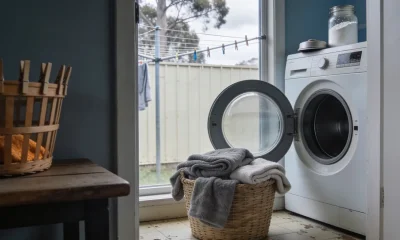
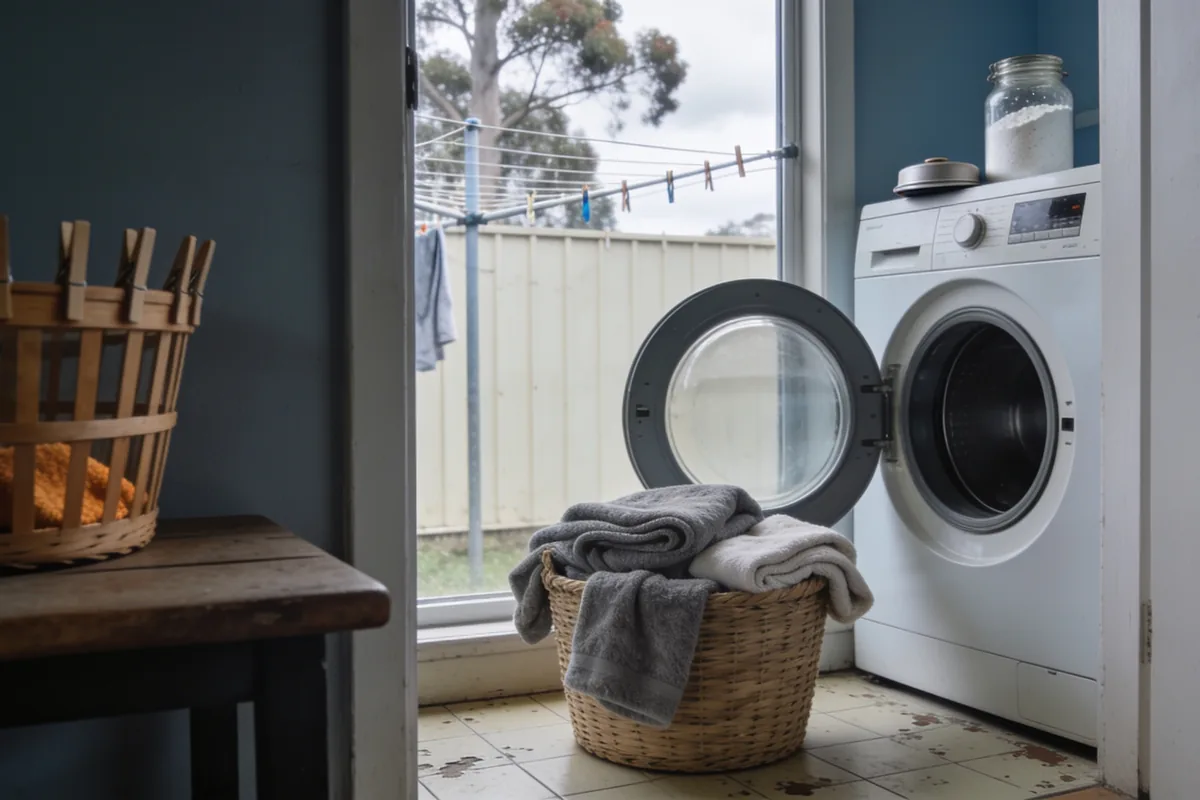
Then the laundry, the room nobody thinks of. How often the synthetics go through, and at what temperature. A cooler, fuller, less frequent wash is the change with the least effort attached to it. If the household has a favourite synthetic jacket, it will not last any less long for going through the machine less often.
Then the next purchase, whenever it comes. This is where patience beats enthusiasm: the kettle, the containers, the coffee maker as it wears out. The site has walked through the appliance version of that question in Plastic-Free Coffee Makers: Myth or Must-Have?, and Zero Waste Toothpaste: What’s Worth the Switch and What to Look For shows what a well-chosen swap looks like when it is worth doing at all. If you would rather someone else had already done the homework on what is plastic-free, that is the job of an Australian directory of plastic-free and non-toxic alternatives that checks before it lists.
And the scale of it: this is a set of small habits spread over years, not a weekend project. The point is that they keep going, not that they are ever complete.
The changes worth keeping
If you remember four things, remember these.
Heat is the thing to avoid. The plastic you already own is fine until it is worn, scratched or heated. The change that costs nothing is the frequency, not the product. And the biggest sources are not in your kitchen, so do the easy parts and let go of the rest.
Nobody is going to get this perfect, and nobody has to. Reading past the headline to see what is known is already the difference between worrying and understanding, and that is further than most of the internet will take you.
Sources consulted: Food Standards Australia New Zealand microplastics in food information; HealthyWA microplastics and your health.

The Saturday clean-out
It is the same scene most Saturdays. You open the fridge to make lunch and the bag of spinach has turned to green slime, the half onion has grown a personality, and the bread you bought five days ago could double as a doorstop. There is a small wave of guilt, then the bin, then the same question. Why do I keep doing this?
Stop right there. This is not a discipline problem. It is a storage and planning problem, and it is fixable this week with zero dollars and about ten minutes of attention. This article explains why fresh food dies early in an Australian kitchen and the cheap fixes that keep it alive. No shame, and no lectures about your bin. You will not find a complicated system here, just the causes in plain terms and the fix that goes with each one.
How much we actually throw away
Australia wastes a shocking share of the food it produces. The commonly cited national figure sits around 7.6 million tonnes a year, which is roughly a third of everything grown or made for us to eat, and households are a large slice of that total. Dollar estimates per household range widely, and some families land in the thousands every year, depending on who is counting and how they count it.
For your wallet the simpler point is this. The food you bin is money you already spent, and it leaks out a little every week. It belongs to the same quiet family as the money mistakes that quietly cost you, which I have covered before. Unlike most bills, though, this one shrinks with a few habits rather than a budget.
Why food goes off before you can use it
Blame the usual suspects rather than yourself. Most fresh food does not die because you are lazy. It dies for five reasons, and every one of them has a fix.
A fridge that is warmer than it should be. Yours should sit between about 1 and 4 degrees, and many run warmer than that, especially when they are packed full or the door seal is tired.
Food stored in the wrong zone. The door is the warmest part of the fridge and the bottom shelf is the coldest, and where you put things decides how long they last.
Trapped moisture. Salad bags sweat, the leaves sit in water, and the rot starts at the bottom before you have opened the bag once.
Ethylene gas. Apples, bananas and tomatoes give off a gas that ripens everything around them. That is good news for a fruit bowl and bad news for the broccoli sitting next to it.
Overbuying. You cannot store food well when you bought twice as much as you will eat, and the crisper fills past the point where air can move around it.
Understand those five and the fixes below stop feeling like random tips.
Store vegetables so they last
Here is the core of it. Seven changes, each with the reason attached.
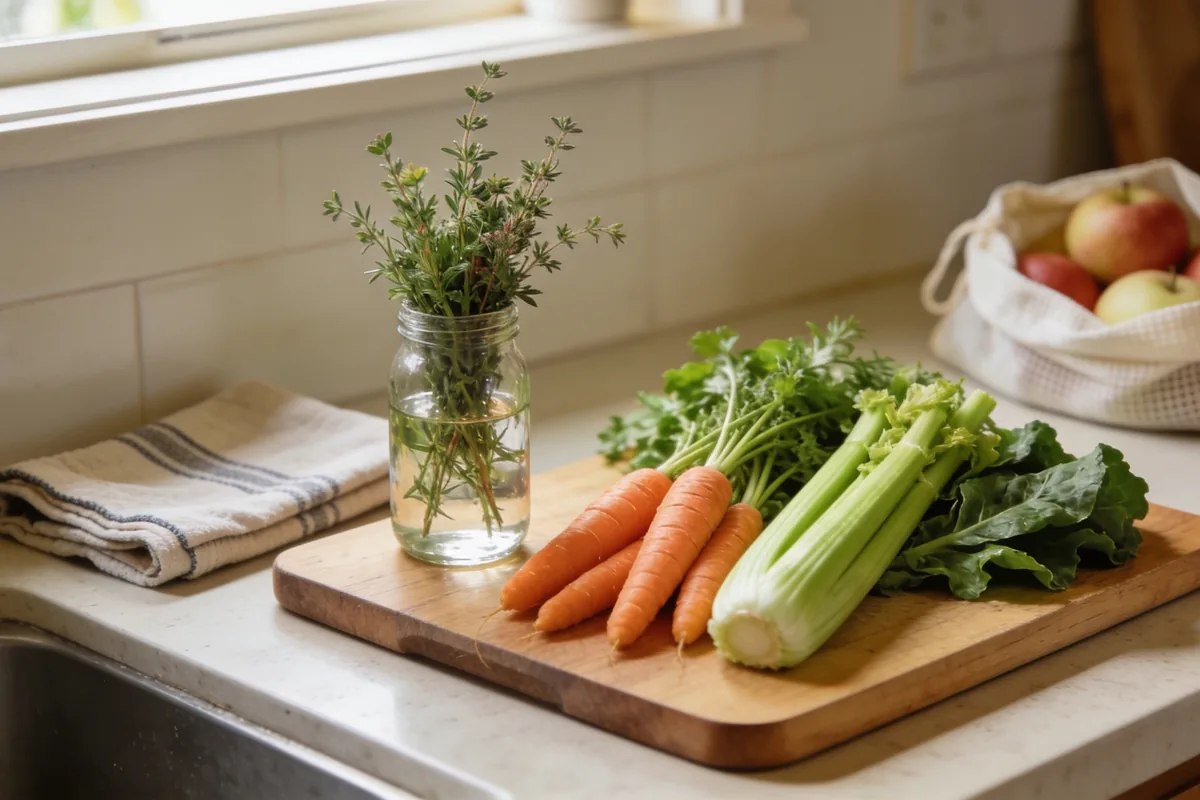
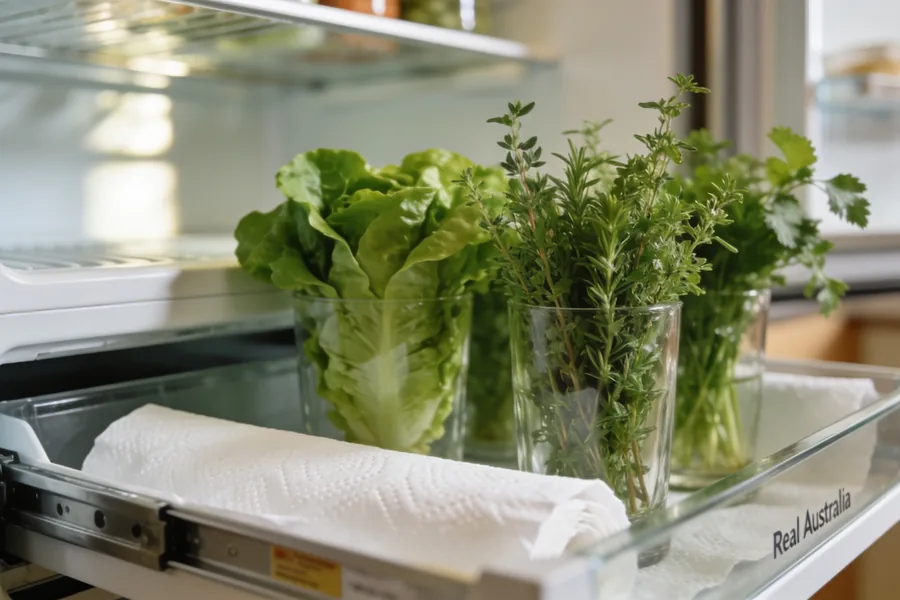
- Set the crisper drawer properly. It has a humidity slider for a reason. High keeps leafy greens and herbs crisp, and low suits fruit. Get this right and the drawer does the work for you.
- Line the salad container with paper towel. It soaks up the moisture that makes leaves rot, and you swap it out when it is wet. That one change keeps a bag of spinach alive for days longer.
- Keep potatoes and onions apart, and keep both away from the fruit bowl. Onions make potatoes sprout, and fruit ripens anything stored near it. Separate corners of the pantry, not the same basket.
- Stand herbs in a glass of water like a bunch of flowers, or wrap them in a damp tea towel in the fridge. Coriander and parsley especially last about twice as long.
- Revive limp celery, carrots and asparagus in a jar of cold water for an hour. They crisp straight back up. It is not magic, it is replacing the moisture they lost.
- Freeze things before they turn, not after. Overripe bananas, herbs in oil, leftover sauce and bread going stale all belong in the freezer. Think of the freezer as a pause button rather than a last resort.
- Keep a list of what you throw away for one week. It sounds tedious, but a single honest list shows you exactly which items you overbuy, and those are the ones you can actually fix.
Know your fridge zones
Think of the fridge as a set of zones running from warm to cold.
The door is the warmest spot. It is fine for condiments, jam and juice, but not for milk or eggs, which is exactly where most people put them. The bottom shelf is the coldest, so meat, fish and dairy live there. The middle shelves hold leftovers and anything ready to eat. The crisper, as covered above, is for produce.
Then add one simple rule on top: first in, first out. New things go to the back and older things come to the front, so you reach for whatever will turn first. If you adopt a single rule from this article, make it that one. The same habit works in the pantry with tins and jars, not just in the fridge.
And if you want the habit that beats them all, give yourself a use-it-up shelf. Take one shelf in the fridge or the pantry and decide that everything on it gets eaten before the next shop. It sounds too small to matter. It saves more food than any fancy container you can buy.
Read the dates, then trust your nose
Here is the label secret most people never learn.
Best-before is a quality guide, not a safety switch. It tells you when the food is at its peak, and after that date the food is still safe to eat if it looks, smells and tastes fine. Use-by is the safety line. Once that date passes, do not risk it, particularly with meat and dairy.
Most items can outlive a best-before date without any trouble. Eggs are the common exception to treat carefully, and the official food safety guidance is the place to check the current advice. Yoghurt is the classic example. A week past its best-before with no mould and a normal smell is almost always fine. A surprising amount of perfectly good food reaches the bin because people confuse the two labels.
The sniff test is not reckless. Your nose evolved to spot food that has turned, and for most items it is a more reliable guide than a printed date.
Shop to what you will eat
The waste battle is mostly won in the shop, not the kitchen.
Write the list from a quick pantry check so you do not come home with a second jar of something you already have. Buy loose where you can, so you take three carrots instead of a bag of nine. And plan two or three meals for the week rather than a fantasy menu that assumes you will cook something ambitious every single night.
Smaller, more frequent shops beat one giant weekly shop for fresh food, because you are not trying to keep five days of spinach alive in a crisper that was never that cold. When vegetables do need using, cook around them. The one-pot dinner habit is built for exactly this, and my guide to easy winter dinners that cut down the washing-up is where leftover vegetables go to be useful. A list written from what you already have is the cheapest meal plan you will ever make.
Start a scraps habit
Not everything has to be eaten to avoid the bin.
A countertop scrap bowl can feed a compost bin or a worm farm, and a bag in the freezer can hold vegetable scraps until you have enough to make stock. Carrot peelings, onion skins, celery ends and herb stalks all count. Boil them for an hour and you have free stock and very little waste.
It does not need to be fancy. A takeaway container on the bench works fine. For the wrapping and storage side of keeping food fresh without single-use plastic, the eco-friendly food wrapping guide is the companion piece to this one.
Start with one shelf
Here is the honest part. You do not need all of these at once.
Pick one change. The use-it-up shelf, the paper towel in the salad container, or the crisper drawer set to the right humidity. Start there this week and let it become the habit the other changes hang off. That is the whole method: one change, repeated until it is automatic, then the next.
The guilt at the Saturday clean-out is wasted energy. The food was never going to save itself. It needed a colder shelf, a drier bag or a plan made on Sunday. Give it those and you will throw away less, spend less and eat better, without turning into the kind of person who lectures other people about their bin.
Sources:
- End Food Waste Australia – national food waste research
- Planet Ark – fridge and food storage guidance
- Love Food Hate Waste (state environment programs) – date labels and meal planning
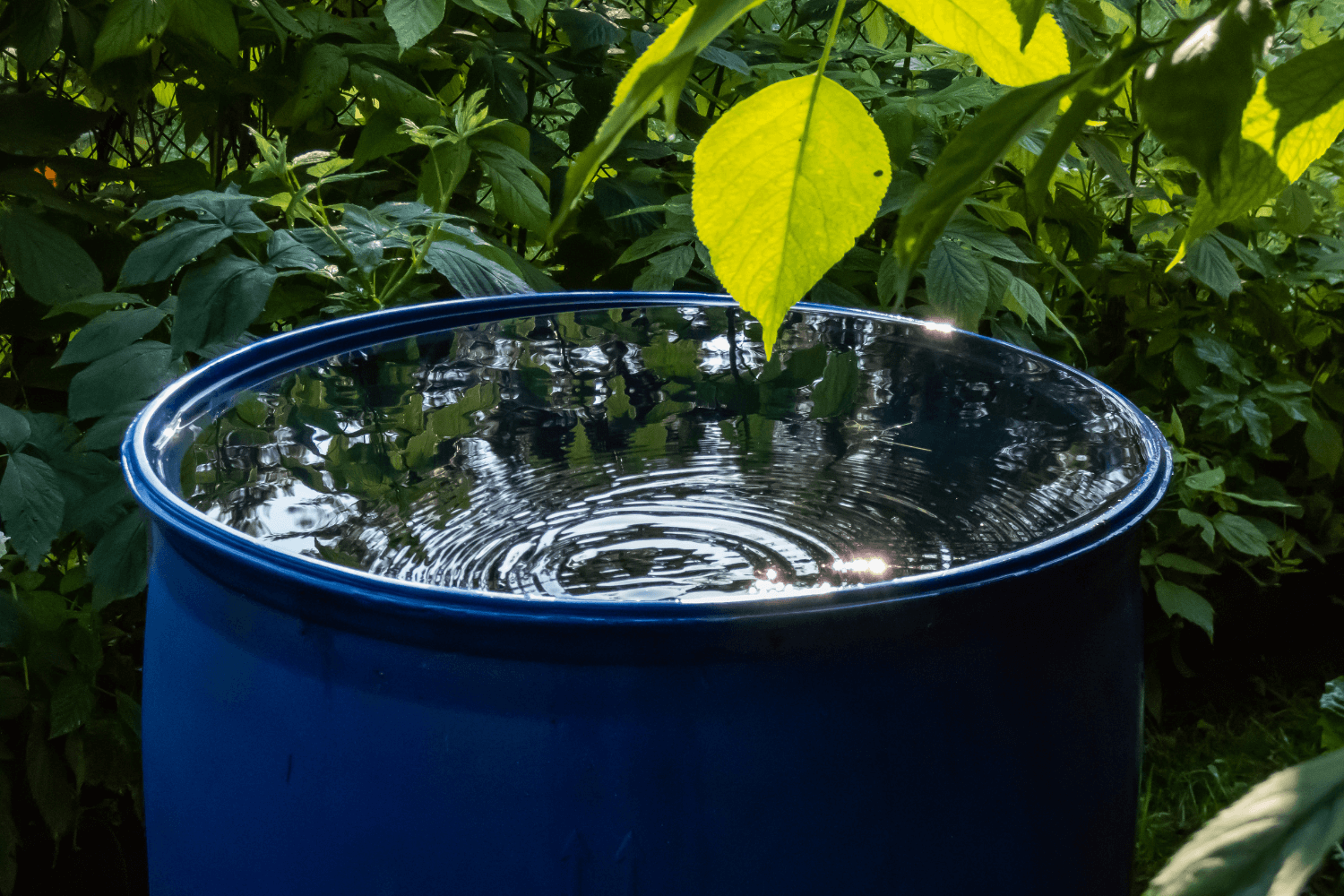
Rainwater tanks used to be something you associated with farms and off-grid properties. These days they are a common sight in Australian suburbs, and for good reason. A tank lets you catch the rain that falls on your roof and use it for the garden, the car or even the toilet, which cuts your water bill and takes pressure off the mains supply. In a country with some of the highest water use per person in the world, and with cities that keep flirting with water restrictions, it makes sense.
But a rainwater tank is not a set-and-forget appliance. There are real questions about safety, water quality and whether the setup will pay for itself. Here is what to weigh up before you buy one.
Why people install rainwater tanks
The main reasons are water conservation, cost and a bit of independence from the mains.
Using rainwater for the garden, the lawn and washing the car saves the treated tap water for the things that really need it, such as drinking and cooking. That matters most during dry spells, when outdoor water use is often the first thing restricted. In cities such as Melbourne, where restrictions have been a regular feature of summer, a tank keeps the garden alive without breaking the rules.
There is an environmental angle too. Catching rainwater reduces demand on the municipal supply and lowers stormwater runoff, which otherwise carries pollutants into local rivers and bays. Every tank is a small buffer between a downpour and the drainage system.
And after the upfront cost, the water itself is free. How much you save depends on the tank size, how much you use outdoors and your local water prices, so the figures vary from house to house.
How safe is stored rainwater?
Rainwater is clean when it falls, but it stops being clean the moment it hits your roof. Dirt, leaves, bird and possum droppings, dust and chemical residue from roofing materials all wash into the tank with the first rain. Bacteria such as E. coli and Legionella can also find their way in, along with heavy metals if you live near busy roads or industrial areas.
That is why the general rule is simple: do not drink untreated rainwater. For watering the garden, washing the car and flushing toilets it is perfectly fine, and that is how most households use it. If you want to drink it, it needs proper treatment, and the Australian Drinking Water Guidelines set out what that involves. Filtration, UV sterilisation, chlorination or boiling can all make stored rainwater safe, but they add cost and maintenance, which is why most people keep the tank for non-drinking uses.
How to store rainwater safely
A tank is only as good as its setup, and a few habits make the difference between a useful water supply and a health risk.
Choose the right tank. Sizes run from small 500 litre tanks up to large ones many times that. Polyethylene, stainless steel and concrete are the common materials, and stainless steel is popular in places with strong sun because it resists UV damage. Whatever you choose, make sure it is opaque, because light encourages algae.
Keep the roof and gutters clean. Debris in the gutters ends up in the tank, so fit leaf guards and a first flush diverter, which sends the first, dirtiest water away from the tank after each rain. A fine mesh screen over the inlet keeps out insects and larger debris.
Filter the water before it enters the tank, and treat it if you plan to use it indoors. Simple mesh filters catch the big stuff, while multi-stage filtration handles finer sediment. For potable use, a UV sterilisation unit, chlorination or ozone treatment adds protection, and boiling remains the simplest fallback.
Maintain the system. Tanks need an annual clean to remove sediment, pipes and fittings need checking for leaks, and water quality is worth monitoring if you use it inside the house. None of this is difficult, but it needs to happen.
Rainwater tanks in Melbourne and Perth
The local climate shapes how useful a tank is. Melbourne averages around 650 mm of rain a year, but it falls unevenly, with dry summers that leave gardens thirsty. A tank there is most valuable for keeping outdoor watering going through the warmer months without pushing up the bill.
Perth gets slightly more, around 730 mm a year on average, but most of it falls in winter, and the summers are long, hot and dry. Tanks there are often sized to capture the winter rain and store it for summer use, which is why larger tanks are common. In both cities, many councils have offered rebates for tank installation as part of water conservation programs, so it is worth checking what is available in your area before you buy.
Is installing a tank worth it?
The pros are clear: less reliance on mains water, a buffer during restrictions, a genuine environmental benefit, possible savings on the water bill and added value to the property.
The cons are just as real. The upfront cost of a tank and installation typically runs from around $1,500 to $5,000 or more, depending on size and system. It needs regular maintenance, it will not make the water drinkable without extra treatment, and in a dry year there may not be enough rain to fill it. A tank is a tool that pays off over time, not an instant saving.
Questions people ask about rainwater tanks
Can you drink rainwater from a tank? Only if it is properly treated. Untreated rainwater is not recommended as a drinking supply under the Australian Drinking Water Guidelines, so most households keep it for outdoor and non-potable uses.
How big a tank do you need? It depends on your roof area, rainfall and how you plan to use the water. A small tank might cover the garden; a larger one can support toilets, laundry and outdoor use through a dry summer.
Do you need council approval? Rules vary between councils, especially for larger tanks or those plumbed into the house. It is worth checking local regulations before you install.
Will a tank save you money? It can, over time, by cutting mains water use for the garden and other outdoor jobs. The saving depends on your usage, rainfall and local water prices, so the payback period varies.
A tank only earns its place with the right setup
Storing rainwater is a sensible move for a lot of Australian households, especially in Melbourne and Perth where water conservation genuinely matters. It saves water, softens the blow of restrictions and gives you a bit of independence from the mains. But the tank is only half the story. It needs a clean roof, decent gutters, a first flush diverter and a filter, and it needs regular maintenance, or it becomes a health hazard instead of a water supply. Set it up properly, use it for the jobs it is good at, and treat the drinking question with the caution it deserves. Do that, and a rainwater tank is one of those quiet home improvements that pays you back every time it rains.
Sources: NHMRC, Australian Drinking Water Guidelines.

A Spanish Spread at Home: What to Buy, What to Cook, and the Order to Do It In

Becoming a Traffic Controller: The Ticket, the Work, and What Nobody Tells You

Hydrotherapy, Explained: What Happens in the Pool and Who It Is Actually For

The Science Behind Melbourne’s Unpredictable Climate: What’s Really Going On?

Plastic-Free Coffee Makers: Myth or Must-Have?

Zero Waste Toothpaste: What’s Worth the Switch and What to Look For
-
 Melbourne1 year ago
The Science Behind Melbourne’s Unpredictable Climate: What’s Really Going On?
-
Eco Friendly4 years ago
Plastic-Free Coffee Makers: Myth or Must-Have?
-
Eco Friendly4 years ago
Zero Waste Toothpaste: What’s Worth the Switch and What to Look For
-

 Automotive1 year ago
Wet Weather Tyres in Australia: What to Look For and When to Replace Them
-
 Eco Friendly4 years ago
Plastic Free Packaging: How to Keep Your Business Plastic Free
-
 Home & Garden1 year ago
Boost Productivity and Mood with a Deep Cleaned Space
-

 Financial1 year ago
How to Secure the Best Car Finance Deal: Tips for Negotiating and Saving Money
-

 Food1 year ago
The 9 Best Foods and Drinks to Enjoy Before Bed for Restful Sleep
You must be logged in to post a comment Login