
Business
Micro SaaS for Solopreneurs: Building Small, Smart, and Profitable Tools


If you run a one-person business, you have probably noticed that the software you rely on is built for companies with teams, budgets and someone in IT. It is expensive, complicated and full of features you never touch. Micro SaaS is the quieter alternative: small, subscription-based software that does one job properly and costs a reasonable amount each month. It is built by a single person or a tiny team, sold to a specific audience, and run without the machinery of a big software company.
That model has grown well beyond a niche. Solo developers, freelancers and small business owners are using it to build products that earn recurring income without managing staff or chasing investors. If you have ever thought about building your own software but assumed it was out of reach, micro SaaS is worth understanding, because the barriers are lower than they look.
What micro SaaS actually is
Micro SaaS is software you rent by subscription rather than buy. Unlike traditional software-as-a-service, which usually targets a broad market and needs a large team, micro SaaS keeps everything small. It targets a narrow audience or one specific pain point, and it is often created and managed by one person.
A few things mark it out. The overheads are low, because you do not need much infrastructure or a marketing department. The focus is narrow, solving one problem exceptionally well rather than ten problems badly. The price is usually modest, most products sit under $50 a month. And the person building it often also does the support, which means users get quick, personal help.
A simple example makes it concrete. A tool that automates client invoicing for freelance designers is micro SaaS. So is an app that helps social media managers keep track of content ideas, or a small booking system for coaches. Each one serves a specific group and solves a specific irritation.
Why solopreneurs like this model
The appeal is that it fits how a one-person business actually runs: lean, independent and in your control.
Cost is the first draw. Most micro SaaS tools charge a small monthly fee, which suits an independent business owner who needs quality software without enterprise pricing. Simplicity is the second. These products do one thing well, with none of the clutter that slows bigger software down. The third is the time it saves. Automating a repetitive task, sending an invoice, filing a report, scheduling a post, frees you to do the work that actually earns money.
There is also the human side. Because the founder is usually the support team, you deal with a person who knows the product, not a ticket system. That direct line is something larger software companies struggle to offer, and it is a big reason users stay loyal to small tools.
Step 1: Pick a problem worth solving
Every useful micro SaaS starts with a real, repeated frustration in one line of work. Freelancers who lose track of billable hours. Social media managers who keep their content ideas scattered across apps. Coaches who onboard every new client by hand. The more specific and repeatable the problem, the better, because a narrow problem is easier to solve well and easier to describe to the people who have it.
If you have felt the frustration yourself, that is a strong start. You already understand the fix needed and you know where to find other people with the same problem.
Step 2: Check that other people feel it too
Before you build anything, test the idea with the people who would pay for it. Find where your intended users gather, in online communities and forums, and describe the problem and the fix you have in mind. Watch how they react, and ask what they currently pay to solve it and what they would pay for yours.
The goal is not to collect praise. It is to find out whether strangers would hand over money. If the idea does not survive contact with real users, it is far better to learn that now, before you have spent months building.
Step 3: Build the smallest version that works
The next step is a minimum viable product, the simplest version that actually does the job. Leave out every feature that is nice to have and keep only the core that solves the main problem. You can add the rest later, once real users tell you what they need.
You do not need to be a programmer for this. Low-code tools such as Bubble or Softr handle the interface, Firebase or Supabase cover the backend, and Stripe looks after payments and subscriptions. With those pieces you can get a working product into the hands of users quickly. Launching a small product that works beats perfecting a large one that never ships.
Step 4: Price for recurring revenue
Micro SaaS runs on subscriptions, and the price should suit the audience you serve. Most products sit between $10 and $50 a month, depending on the value they deliver. Set the price low enough to be an easy yes, and high enough that the business is worth running.
Recurring revenue is the point. A modest monthly amount from a steady group of users builds into income you can rely on, and it is usually easier to keep an existing customer at $15 a month than to win a new one.
Step 5: Get the word out without a big budget
Marketing can make or break a small software product, and most solopreneurs do not have a large budget for it. That means leaning on organic, community-driven growth.
Building in public works well: share the journey as you build, on platforms where your audience already spends time, and the transparency attracts early adopters. Content marketing does the slower, steadier work. Write about the problem your product solves, in tutorials and case studies, rather than simply describing the product, so people find you when they search for a fix. Free trials let users feel the value before they pay. Partnerships with people who already serve your audience, such as creators or communities in your niche, put your tool in front of the right people.
Step 6: Scale without hiring a team
Scaling a micro SaaS does not have to mean taking on staff or chasing investment. It usually means making the business run with less of your hands-on time.
Automate what you can: onboarding, billing and the routine parts of support. Use analytics to see which features people actually use, and let customer feedback point the way rather than guessing. Outsource the occasional task, like a piece of design or a marketing push, when it is cheaper than your own time. Keep the product small and add features slowly. The aim is a self-sustaining business that earns recurring revenue with modest upkeep.
Small software can be enough
Micro SaaS matters because it lowers the bar for building something of your own. You do not need to create the next billion-dollar startup, and chasing that is often what sinks small projects. What works is a useful tool, priced fairly, for a group of people you understand, improved steadily as they use it.
For a solopreneur, the reward is not just the income. It is building a product on your own terms, answering to users you can actually talk to, and keeping the thing small enough to stay in control. If you have ever wanted to build software, you do not need a team or a large budget to start. Pick one problem, build the smallest version that solves it, and let the people who need it tell you what comes next.

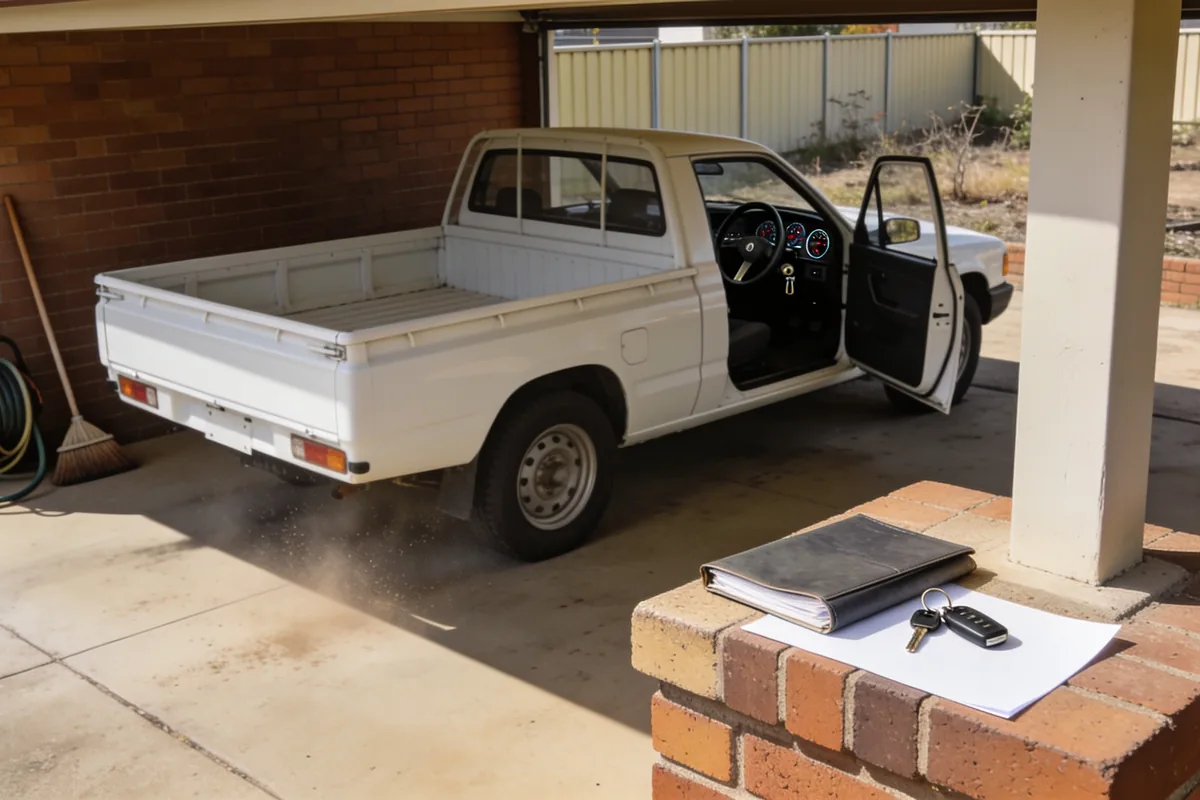
- Refinancing replaces the loan, not the car. A new contract pays out the old one and you keep driving the same vehicle.
- What changes is the lender, the rate, the term, the repayment and the fees. What does not change is the debt, or the fact that the car is still the security.
- The number that settles more than any advertised rate is your payout figure, and it comes with an expiry date.
- It can be worth doing, and it can be a way of paying more for longer. Both are true, and the difference is usually in the term.
- And there is one case where refinancing is the wrong conversation entirely. That one gets its own section.
Two years into a five-year loan, plenty of people start wondering whether the deal they signed still fits. The offers from other lenders have started arriving, the car is running fine, and the repayments have not moved since the day they were set. Refinancing can be worth doing, it can quietly cost money, and the figure that decides it is not the one in the advertisement.
Is refinancing worth looking at?
Six questions, one plain answer. This does not decide anything for you and it should not: it tells you whether to start asking questions, and what to ask.
Optional
Optional
Answer the questions and your summary will appear here.
The three numbers to get before you ring anyone: your payout figure in writing, the total cost of each option across its whole term, and the comparison rate on the same amount and term.
General information, not financial or credit advice. Nothing here can see your loan, your lender's terms or your circumstances.
What refinancing actually is
Refinancing is a new loan that pays out an old one. You keep the car, the registration stays in your name, and as far as the driveway is concerned nothing has happened at all. What has happened is on the paperwork: the lender, the rate, the term, the repayment schedule and the fees are all replaced by new ones.
That is the whole idea. Refinancing is not trading in, and this article is not about trading in. It is not a top-up either, where you borrow more against the same car. It is the plain version: one debt replaces another, and the amount you owe does not shrink because of it.
Two consequences follow, and they matter.
The first is that a refinance is a new credit contract. The new lender assesses you again rather than taking your old approval as proof of anything. Your income, your expenses and the vehicle all get looked at on their own terms, and the answer can differ from the one you got two years ago, in either direction.
The second is that the debt does not care which lender holds it. The car is still the security, the obligation still exists, and a lower repayment on paper is not the same thing as a smaller debt. Hold on to that one, because it is where the rest of this article lives.
The number to get before anything else: your payout figure
If you take one piece of procedure from this article, take this one. Before you compare anything, ask your current lender for your payout figure in writing.
A payout figure is the amount that clears the loan on a given day. It is not the balance on your last statement, because interest accrues and fees land between statements, and the number moves as the days pass. That is why it is quoted with an expiry date, and why a figure from three weeks ago is a rough guide. Ask how long it is valid for, and ask what it includes.
Two questions come with it, and both change what you do next.
The first is whether there is an early exit or termination fee. Moneysmart’s own guidance is that variable rate car loans usually do not carry one, which is why you should know which type of loan you hold. If yours is fixed, the exit cost is part of the arithmetic. If it is variable, the honest position is usually simpler. Note the word usually, and check your own contract rather than assuming either way.
The second is what the figure does not cover. If there is a balloon at the end of the loan, a residual you agreed to meet in a lump sum, the payout figure tells you what it costs to clear the debt today. It does not make the balloon disappear, and it does not answer whether meeting it or refinancing around it is better for you.
Get the number in writing. Any lender or broker will ask for it, and having it puts you ahead of the person who is still guessing.
When it is actually worth it
There are four honest cases for refinancing, and none of them is about the rate on its own.
The circumstances changed. The loan was sized for a life you no longer have: a different income, a partner, a move, or a business that now needs the car’s capacity for something else. When the shape of the debt no longer matches the shape of the life, replacing it is a reasonable question to ask.
The original deal was never really chosen. Dealer finance taken on the day, at a rate that reflected a borrower with no credit history, is the most common situation in this topic. A reader who now has some history to show may be offered better terms than the ones they signed. The site’s The Most Common Car Finance Mistakes and How to Avoid Them covers how a deal gets built in the first place, and it is the right read if your answer is “I took what was on the desk”.
The structure does not fit any more. A balloon you do not want to meet, or a term still running when the car will not be, are real reasons to restructure rather than to panic.
The car has fallen behind the loan. This is the one to handle gently. If the amount owing is more than the car is worth, refinancing does not fix that by itself. Moneysmart states the position plainly: if you end up having to sell the car to meet the loan debt, the price you get might not cover the debt, and you keep paying off a loan for a car you no longer have. What a refinance can buy here is time, and sometimes that is worth having. It is a conversation to have with someone who can see your whole position before you sign anything.
One qualifier sits over all four: whether any of them applies to you depends on facts this article does not have. This is general information, not advice about your loan.
When it is not worth it, and nobody on page one will say so
Now the half the lender pages skip.
The term reset is the quiet one. A refinance starts a new term, so a borrower three years into a five-year loan who refinances over another five has bought more years of interest, not fewer. The fortnightly repayment can fall while the total climbs. That is the most common way a refinance costs money, and it happens while everything feels like progress.
The costs go into the new loan. Establishment fees, any broker or introducer fee, and the exit cost on the old loan can all be added to the amount financed rather than paid in cash. That makes them invisible in the monthly figure and very real in the total. Ask what is being added, and what the whole thing costs over its life rather than per fortnight.
The rate is not the cost. A lower advertised rate on a longer term is not automatically a saving, because the advertisement does not tell you what happens to the total.
Before you look anywhere else, ask your existing lender what it can do. Staying with the same lender on new terms is a legitimate first move, not a disloyal one, and a lender that wants to keep the business will sometimes find a better structure than its own website is offering.
And the honest line under the whole section: if the loan is nearly finished, or your only goal is a smaller payment without knowing what it does to the total, the answer is usually no. The site’s How to Secure the Best Car Finance Deal: Tips for Negotiating and Saving Money is where the buying side of this sits, and the same discipline applies in both places: know the total before you admire the rate.
The comparison rate, in one plain paragraph
There is one Australian mechanism that makes this comparison fair, and it is called the comparison rate.
Moneysmart puts it plainly: the lender must give you the comparison rate. It is a single figure that includes the interest rate and the fees, and it is useful because the rate in an advertisement is often not the whole cost. When you compare two loans on the comparison rate, you are comparing more of the truth.
One condition matters, and it is the part people skip. Compare the same loan amount and the same term. A comparison rate quoted on a different term or a different amount is not a comparison. It is a smaller number next to a bigger one.
When you meet a rate on a page, treat it as an opening statement rather than a verdict.
Doing it yourself, and what a broker is for
There are two routes, and neither is wrong. Doing it directly means asking two or three lenders yourself. Moneysmart’s checklist is the shape of the questions to ask: the features and what they cost, all of the fees, fixed or variable, the term, and the comparison rate on the same amount and term. It takes an afternoon and a few phone calls, and for a straightforward loan it is a good way through.
A broker is worth having when the file is not straightforward. Self-employed income that needs explaining, a business asset, a credit history with marks on it, or a car older than most lenders like all make the shortlist narrower, and finding that shortlist is the actual product a broker sells. One question sorts a good one quickly: how many lenders can you actually write for? A number that arrives without hesitation is a good sign. A vague answer is an answer.
Two more things about money. The fee structure has to be disclosed, so ask what you are paying and to whom before you sign anything. And you can check that the person arranging credit is licensed, and who they are paid by, rather than taking it on trust.
This is the work a Brisbane finance brokerage that arranges and refinances vehicle finance through a panel of lenders does every day, and the first useful thing a good brokerage does is tell you when the answer is no. If your situation is a business one, the same payout-and-replace logic applies to an asset like a truck, and Planning to Add a Truck to Your Fleet? Here’s What to Know First is where that conversation continues.
If the real problem is the repayment
One situation deserves its own section, and the lending pages never write it.
If you are refinancing because you cannot meet the repayments, a refinance moves the problem rather than solving it. A longer term lowers the payment and raises the total, and the relief is real but temporary in the way that all borrowed time is.
There is also free and independent financial counselling in Australia. It does not sell anything, and it is there for exactly this situation. Asking for help early is the ordinary thing to do rather than the last resort, and the people who do it are not the people who failed. They are the people who got to the phone first.
The three numbers to get before you ring anyone
Close the tab with three things to find, in this order.
The payout figure, in writing and with its date. Everything else is measured against it.
The total cost over the life of each option, not the weekly repayment. If you only look at one figure, make it this one.
And the comparison rate, on the same amount and the same term for every loan you are weighing.
The loan you signed is not a life sentence. It is also not a thing to replace on the strength of one advertisement, and the difference between the two comes down to those three numbers.
General information only, not financial or credit advice. Any decision depends on your own circumstances, your lender’s terms and your own enquiries.
Sources consulted: Moneysmart car loan guidance; ASIC guidance on checking a credit licence.

A private sale can save you thousands. It can also hand you a car that is still under finance, was written off in another state, or is one repair away from the scrap heap. The difference between those two outcomes is not luck. It is a checklist.
That is what this article gives you. Below is a tickable checklist that walks a used car in the same order a smart buyer does, from the checks you run before you even look at the car, through the walk-around, under the bonnet, inside the cabin and out on the road. Work through it at the car and tick each check as you go. Every item is explained in the sections underneath, and a reader who ticks the whole list finishes with the same answer a good inspection gives: this is a buy, or this is a walk.
Used car buying checklist
0 of 25Checks before you even look
Service history and paperwork
The walk-around
Under the bonnet and underneath
Inside and electrics
The test drive
The one check you never skip: PPSR
Start here, before you fall in love with anything. The PPSR, or Personal Property Securities Register, is a national database run by the Australian Financial Security Authority. For a few dollars and using the car’s VIN, it tells you three things that matter enormously: whether the car is under finance, whether it has been reported stolen, and whether it has been written off.
Why does that matter? Because a lender can repossess a car even after you have paid for it in good faith. If the seller still owes money on the car, the finance company has a legal claim on it that outranks your receipt. People lose cars this way every year, and no amount of “but I paid them” changes the outcome.
A state registration check is not enough. It confirms the rego is current, which is useful, but it does not reveal finance or write-off history. The PPSR is the only cheap check that covers all three, which is why it is the first tick on the list and the one you never skip.
Sort the paperwork before you fall in love
Now the boring stuff, because the boring stuff is what protects you.
Confirm the seller is the registered owner. Ask for their ID and check it against the registration papers, and check the name on any service records matches too. Match the VIN on the car, usually visible through the windscreen and stamped on a plate under the bonnet, to the VIN on the registration and the paperwork. If they do not line up, that is the whole deal over.
Ask why they are selling. You are not being nosy. A straight answer, like upgrading or moving overseas, is a good sign. A vague answer, or a story that changes when you ask twice, is a warning.
Look for a service history with consistent licensed-mechanic stamps. A logbook with regular entries is the closest thing a used car has to a health record, and it is the proof a car has been looked after. My guide to why you should not skip your car's logbook service explains why those stamps matter so much. Gaps in the history are not automatically a deal-breaker, but they are a question worth asking about.
Red flags here are simple. A seller who cannot produce the logbook, a VIN that does not match, or pressure to pay today. Any one of those is a reason to slow right down.
The walk-around: look before you open the door
The walk-around is where most problems show up, and you do not need to be a mechanic to spot them. Work your way around the car in a set order.
Panel gaps and paint. Run your eye down both sides. Gaps between panels that are uneven, or paint that does not quite match between panels, are classic signs of crash repairs. A car that has been repaired well is not automatically a bad buy, but a car that has been repaired badly is a negotiation point or a walk.
Rust. Check the wheel arches, the sills and the bottoms of the doors. Surface rust can be fixed. Rust that has eaten through metal is expensive and only gets worse.
Tyres. Look at all four, not just the pretty ones. Uneven wear across a tyre, or between tyres, can point to a suspension or alignment problem, and tyres with low tread are a cost you will wear a few weeks after you buy. The state of the tyres matters for safety too, and my guide to wet weather tyres in Australia covers what good tread looks like and when tyres need replacing.
Windscreen and lights. A cracked windscreen or heavy stone damage is a replacement cost, and cloudy or yellowed headlights are both an eyesore and a safety issue.
Under the bonnet and underneath
Pop the bonnet and look. You are not diagnosing anything. You are looking for the obvious.
Oil. Pull the dipstick out, wipe it, put it back, pull it again. The oil should be clean-ish and at the right level. Black, sludgy oil, or oil that smells burnt, tells you the car has not been serviced with love.
Leaks. Look at the ground under the car before you move it, and look again after it has been sitting. Fresh drips of oil, coolant or transmission fluid are all questions. A dry patch is the answer you want.
Battery. Corroded, crusty terminals are a sign of neglect, and a battery nearing the end of its life is a cost coming your way.
Belts and hoses. Cracked belts or swollen, soft hoses fail at the worst moment. They are cheap to replace, but they tell you how the car has been treated.
Underneath is the part people skip, and it is worth a look if you can get one. Get down and check for serious rust on the chassis and any fresh damage. You do not need to know what everything is. You are looking for the obvious, and the checklist makes sure you look.
If this is a significant buy, a professional pre-purchase inspection from a motoring club is worth every dollar. It costs a few hundred dollars, which sounds like a lot until you set it against a five-figure mistake. The inspector sees what you cannot, and the report is yours to negotiate with.
Inside and electrics
Now get in the car, because the cabin tells its own story.
Seats and seatbelts. Check the upholstery for damage and the seatbelts for fraying, and make sure they all click in properly. A worn driver’s seat on a low-kilometre car is a red flag worth noticing.
Switches. Work every switch, button and dial. Lights, indicators, wipers, hazard lights, windows, mirrors, the stereo. Each one takes two seconds, and each one that does not work is money.
Air-conditioning. Turn it on cold and give it a minute. Warm air from a system set to cold means a regas or a compressor repair.
Warning lights. Turn the key to the on position and watch the dash. Every warning light should come on briefly and then go out once the engine starts. A light that stays on, or one that never comes on at all, is a question. A seller who has “fixed” a warning light by pulling the bulb or taping over the dash is a seller you walk away from.
Everything broken in the cabin is a negotiation point or a reason to walk. Tally it up and let the number decide.
The test drive that tells the truth
This is where the car earns its keep, and it is not a lap around the block.
Start with a cold start, meaning the car has not been driven for a while. It should start easily, without cranking for ages or puffing smoke. Then drive it properly.
Brakes. Test them at low speed and at road speed. The pedal should feel firm, the car should stop straight, and there should be no grinding or pulling.
Steering. On a straight, flat stretch, let the wheel sit loose in your hands. The car should hold its line. Vibration through the wheel, or a pull to one side, points to alignment, suspension or tyre problems.
Gearbox and clutch. Automatic or manual, changes should be smooth. A manual clutch should engage cleanly without slipping or grabbing, and there should be no crunching between gears.
Listen. Rattles, squeaks, clunks, and any burning smell or smoke are all worth attention. Drive the route the seller does not pick, over some bumps and through some corners. And turn the radio off. You are listening to the car, not the playlist.
Roadworthy and the state rules
Now the paperwork that varies by state, in plain terms.
A roadworthy certificate, or safety certificate, is required in some states and situations, and not all. Victoria and Queensland require one for most private transfers. NSW uses eSafety checks in specific situations. Other states are more limited. The exact rule depends on where the car is registered and where you live, so your state road traffic authority is the place to confirm the current requirement.
Here is the part most buyers miss. A roadworthy certificate means the car meets minimum safety standards at the time it is issued. It does not mean the engine and transmission are sound, and it does not mean the car is a good buy. You can drive a car home with a fresh roadworthy and still have a gearbox that is about to let go. That is why this checklist covers the whole car, not just what passes the roadworthy.
The money and the transfer
The price is only part of the money story.
Before you pay, compare the agreed price against similar listings for the same make, model, year and kilometre range. A price well below the market is not a bargain, it is a question. Check the transfer paperwork and the deadline for your state, because registration transfer rules and time limits differ, and sort it promptly rather than parking the problem for later.
Keep copies of everything. The receipt, the roadworthy or safety certificate, and the transfer notice. If you are financing the purchase, the money side is its own decision, and my guide to securing the best car finance deal walks through the rates and the traps.
And one honest note before you hand over the money. A used car bought privately carries no statutory warranty. You are buying it as is, and the checklist is your defence, because after the handshake there is no shop to return it to. The repairs that come later are yours, which is exactly why my piece on the "I'll fix it later" car problem that ends in a massive repair bill is worth reading before you buy, not after.
When to walk away
A checklist is only useful if you trust the “no” it gives you. So here is when you walk.
Walk away from a seller who will not let you run the PPSR, or who tries to talk you out of it. Walk away from a car that fails a test-drive check, because it will not pass them again next week. Walk away from a price that is too good to be true, because in used cars, too good is usually hiding something. And walk away from a story that changes when you ask twice.
Walking away costs nothing. The wrong car costs thousands. Every buyer I know who ignored a red flag because they wanted the car to be right has regretted it. The ones who walked have never once wished they had bought it.
Do the checklist before the handshake
Buying a used car is not one big decision. It is a sequence of small checks, and you have just walked through all of them.
Run the PPSR first, because it protects you from the traps you cannot see. Look with your own eyes, because the car will not tell you its problems. Test drive with intent, because that is where the truth comes out. Then let the checklist make the call you might otherwise let your heart make.
A private sale can save you thousands. This checklist is how you make sure it does. Tick every box, trust the answer, and only then reach for your wallet.
Sources:
- Australian Financial Security Authority – PPSR (Personal Property Securities Register)
- carsales.com.au – how to buy a used car in Australia
- State road traffic authorities – roadworthy and registration transfer requirements (VicRoads, Service NSW, Queensland Department of Transport and Main Roads)

Most people do not ignore their taxes on purpose. They intend to sort it out, then the year runs away and suddenly it is tax time and the paperwork is a mess. The problem is that tax issues do not wait politely for the end of the financial year. They grow. A missed deadline, a lost receipt, an incorrect report, each one small on its own, can combine into something far more expensive than the advice that would have prevented it.
A conversation with a tax accountant earlier in the year, rather than at the end of it, is one of those dull habits that quietly saves people money. This guide explains why leaving it late is so costly and the signs that it is time to talk to someone.
Small tax problems turn into larger ones
Rarely does anyone wake up one morning with a serious tax problem. It builds. A receipt goes missing in March, a business expense is not recorded properly, a deadline passes because nobody wrote it down. On their own each of these feels minor. Together they become the difference between a straightforward return and one that attracts questions.
The financial decisions you make through the year, not just the ones you make in June, shape your tax outcome. Sorting out records as you go gives you control. Leaving it all to the last minute means you are filing under pressure, and pressure is where mistakes are born.
Why a conversation before tax time is worth it
Tax planning goes beyond lodging a return. It means understanding your income, your deductions, your business expenses and your goals, then making decisions with that full picture in mind. An accountant who sees your situation before the end of the year can point out things you would never think to ask about in the final rush.
A qualified tax accountant can help with tracking deductible expenses correctly, keeping financial records organised, managing GST and BAS obligations, planning for business growth and avoiding the common mistakes that trigger attention from the Australian Taxation Office. They also stay on top of changes to the rules, so you are not relying on advice that was accurate five years ago. The earlier in the year you have that conversation, the more useful it is.
Late lodgement is the expensive mistake
One of the clearest costs of delay is the late lodgement penalty. The ATO applies penalties for overdue tax returns and missed reporting obligations, and interest can build on top of any tax debt that stays unpaid.
For a small business the impact can be worse. Cash flow is often tight, and an unexpected tax bill that arrives without warning can hurt. Owners underestimate how quickly unpaid obligations start to affect day-to-day operations, staffing decisions and plans for growth. Delays also make errors more likely, because rushed records are incomplete records, and fixing those errors later takes additional time and money.
The deductions you miss on your own
People who handle their own tax often focus on avoiding penalties and miss the opportunities sitting in front of them. Proper planning can reveal deductions, offsets and strategies that are easy to overlook when you are going it alone.
A tax accountant will usually look at things like vehicle and travel expenses, home office deductions, investment property claims, equipment depreciation, superannuation contributions and whether your business structure is working efficiently. These are easier to identify when your financial information is reviewed regularly rather than once a year. Consistent planning tends to produce better outcomes than a frantic annual scramble.
Owning a business changes the stakes
Running a business means managing payroll, supplier costs, invoices, tax obligations and compliance at the same time. Without support, the tax side can become overwhelming, and the consequences of getting it wrong are higher than they are for an individual employee.
Business owners who delay seeking help often run into the same problems: poor record keeping, incorrect GST reporting, missed BAS deadlines, unplanned tax debt, difficulty managing cash flow and confusion about what is actually deductible. Each of these adds pressure and takes attention away from the work that earns the income. Early guidance keeps the books in order so the business can spend its energy on growth rather than on putting out tax fires.
The rules do not sit still
Tax law in Australia changes regularly, and most people are not tracking the updates. Deductions change, reporting requirements shift and new rules arrive for things like work from home claims, investment properties, superannuation and small business concessions. Advice from a few years ago, or from a friend whose situation is completely different, can quietly be wrong.
An accountant follows these changes as part of the job and can tell you how a new rule affects your situation. That is worth more than it sounds. Waiting too long to ask means you might lodge under an old assumption and find out later that it no longer applies.
Signs it is time to get help
Tax stress rarely appears overnight. It builds through missed paperwork, ignored deadlines and uncertainty about what you owe. Some warning signs that professional support would help include falling behind on your paperwork, receiving ATO notices on a regular basis, being unsure what you can claim, struggling to separate personal and business expenses, having trouble budgeting for tax payments, or dreading tax time every single year.
None of these means you are in trouble yet. They mean it is a good moment to bring someone in, while the problems are still small and fixable. Addressing them early is almost always easier than untangling them after they have become serious.
A short conversation that saves a long year
Nobody lies awake at night wishing they had spoken to their tax accountant sooner. But plenty of people lie awake at tax time wishing exactly that. The difference between those two feelings is usually one conversation, had at the right time of year.
You do not need to wait until your paperwork is perfect to call. That is what the accountant is for. Book a chat while the year is still young enough to act on the advice, bring whatever records you have and let them tell you what to sort out next. An hour of planning in the middle of the year can save a great deal of stress, and often a great deal of money, at the end of it.

A Spanish Spread at Home: What to Buy, What to Cook, and the Order to Do It In

Becoming a Traffic Controller: The Ticket, the Work, and What Nobody Tells You

Hydrotherapy, Explained: What Happens in the Pool and Who It Is Actually For

The Science Behind Melbourne’s Unpredictable Climate: What’s Really Going On?

Plastic-Free Coffee Makers: Myth or Must-Have?

Zero Waste Toothpaste: What’s Worth the Switch and What to Look For
-
 Melbourne1 year ago
The Science Behind Melbourne’s Unpredictable Climate: What’s Really Going On?
-
Eco Friendly4 years ago
Plastic-Free Coffee Makers: Myth or Must-Have?
-
Eco Friendly4 years ago
Zero Waste Toothpaste: What’s Worth the Switch and What to Look For
-

 Automotive1 year ago
Wet Weather Tyres in Australia: What to Look For and When to Replace Them
-
 Eco Friendly4 years ago
Plastic Free Packaging: How to Keep Your Business Plastic Free
-
 Eco Friendly4 years ago
How Aussie Businesses Can Reduce Plastic Pollution
-

 Home & Garden1 year ago
Boost Productivity and Mood with a Deep Cleaned Space
-

 Financial1 year ago
How to Secure the Best Car Finance Deal: Tips for Negotiating and Saving Money