Melbourne
The Science Behind Melbourne’s Unpredictable Climate: What’s Really Going On?

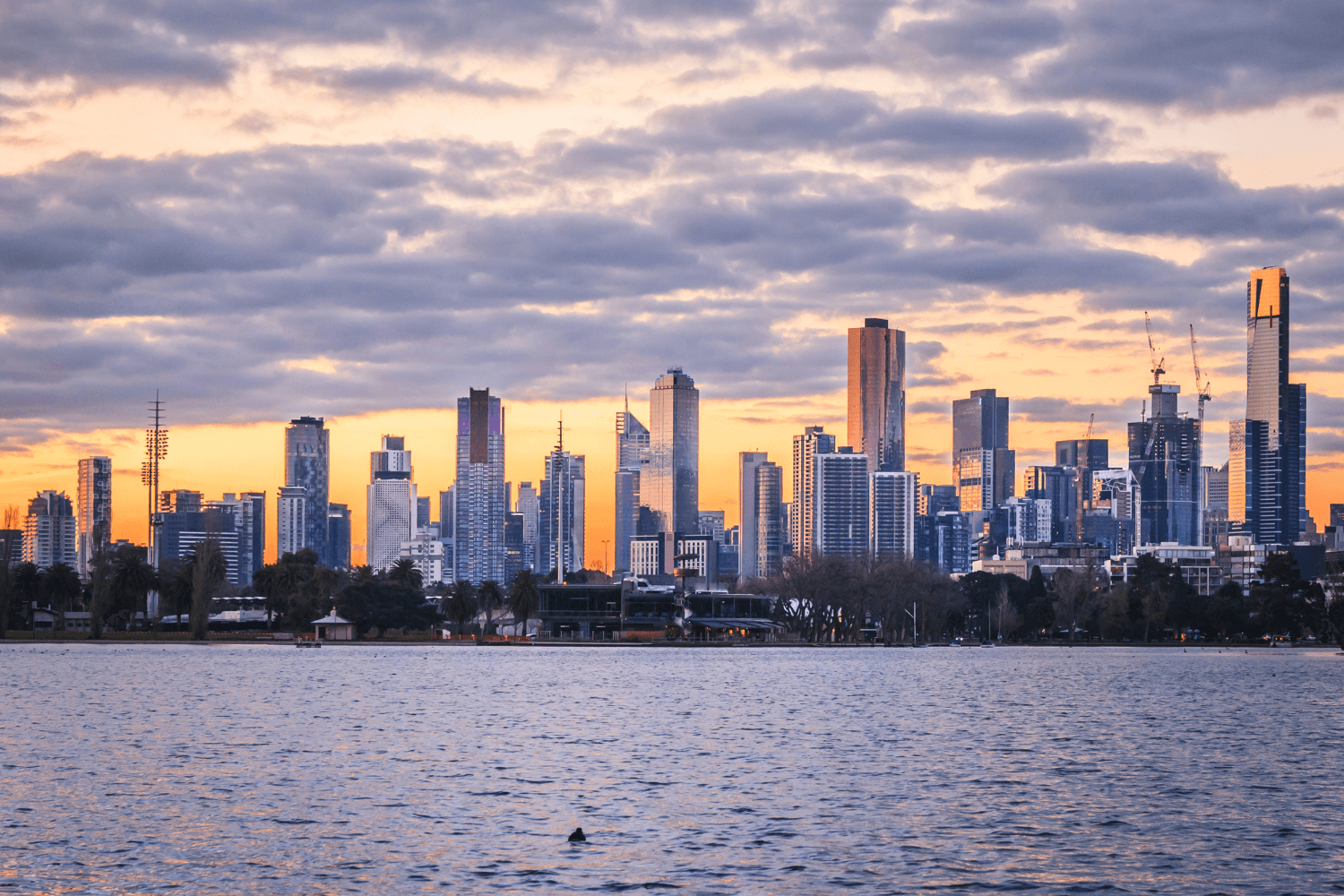
If you have lived in Melbourne for more than a week, you know the feeling. A sunny morning, a chilly lunchtime, a surprise shower by mid afternoon, and a warm evening that makes you wonder why you carried a jacket at all. The city has earned its “four seasons in one day” reputation, and it is not just a joke. There is real science behind why Melbourne’s weather changes so quickly, and it comes down to a few forces that keep pushing against each other.
What makes Melbourne’s weather so changeable
Melbourne sits in a spot where different air masses keep trading places. Cold air from the Southern Ocean meets warm air from the Australian interior, and the boundary between them moves back and forth across the city. When that boundary shifts, the weather shifts with it.
Add in the longer influence of global patterns such as El Nino and La Nina, and you have a city where the weather can genuinely change a few times in a single day. It is not random. It is the result of a few ingredients that are easy to understand once you know what to look for.
Cold fronts rolling up from the Southern Ocean
The biggest driver of Melbourne’s rapid changes is the cold front. A cold front is the leading edge of a mass of cold air, and when one sweeps up from the Southern Ocean, it pushes under the warmer air over the land.
That is when you notice the temperature drop sharply, often by 10 to 15 degrees within a few hours. The front usually brings a gusty change in wind and a burst of rain, which can be heavy or just a quick drizzle. It is the reason you can go from sunshine to showers and back again in an afternoon.
The Southern Ocean matters because it is a huge source of cold air. It sits to the south of Australia and acts like a giant fridge, sending cold air northwards that clashes with the warmer air over the continent. Where those two meet, Melbourne gets its changeable weather.
Warm northerly winds from the interior
The flip side is the warm northerly wind. When the wind swings around to blow from the north, it drags hot, dry air down from the Australian outback, and Melbourne can heat up just as quickly as it cooled down.
A day that starts cool can turn hot within hours, and in summer these northerlies are what push the temperature well past 30 degrees. They also bring dry conditions, which is why they are a factor in bushfire risk during the hotter months.
The constant push and pull between the cold southerly fronts and the warm northerly winds is the core of Melbourne’s reputation. One day the cold air wins, the next the hot air does, and sometimes both get a turn before dinner.
How El Nino and La Nina change the bigger picture
On top of the day to day swings, Melbourne’s seasons are shaped by the larger climate patterns of the Pacific Ocean.
During El Nino, the waters of the central and eastern Pacific are warmer than usual, and that tends to push hotter, drier conditions across south-eastern Australia. Melbourne usually sees longer and hotter summers, more heatwaves and below-average rainfall.
La Nina is the opposite. The Pacific cools, and the result for Melbourne is usually cooler, wetter weather, with more rain and a greater chance of those drizzly days. Summers in a La Nina year tend to be milder and wetter.
Neither pattern dictates every single day, but they tilt the odds. That is why one summer can feel like a string of heatwaves while the next is a washout, even though Melbourne’s everyday weather stays changeable either way.
How the seasons actually play out
Spring is often the most unpredictable stretch. Cold fronts are frequent, so a warm morning can turn into a rainy afternoon before you have finished your coffee. It is the season that gives the city its chaotic reputation.
Summer brings the long hot spells, driven by northerly winds, with the occasional afternoon thunderstorm after a hot, dry morning. Autumn cools down gradually, but it still carries a few heatwaves early on before the cold fronts start to increase. Winter is the cold, wet season, when the Southern Ocean fronts arrive regularly and rainfall is at its most frequent.
Living with it: the practical side
You cannot change Melbourne’s weather, but you can stop it from catching you out.
Layers are the obvious answer. A light jacket or jumper you can take on and off handles a ten degree swing better than any single outfit. Checking the forecast helps, and the Bureau of Meteorology app gives detailed, live updates including rainfall and warnings, which is more useful than a glance at the sky.
It also pays to be ready for anything. Keep an umbrella handy, wear sunscreen even on cloudy days, and carry water in summer. None of that stops the weather changing. It just means the change does not ruin your day.
Questions about Melbourne’s weather
Why does Melbourne’s weather change so quickly? It sits where cold fronts from the Southern Ocean meet warm northerly winds from the interior, and the boundary between them moves across the city, sometimes more than once a day.
Does Melbourne get more rain than other Australian cities? Its rainfall total is moderate, but the changes are rapid, so it can feel rainier than the numbers suggest.
How does El Nino affect the city? It tends to bring hotter, drier conditions, longer summer heatwaves and less rain. La Nina usually brings the opposite: cooler and wetter weather.
Can you really get all four seasons in one day? Yes, in the sense of rapid swings in temperature, wind and rain. It is not literally four seasons, but it can feel that way.
Live with the weather, not against it
Melbourne’s weather is genuinely one of the most changeable in the world, and that is not going to change. Cold fronts, warm northerlies and the Pacific patterns of El Nino and La Nina will keep trading places, and the forecast will keep keeping us guessing. The trick is to treat it as part of the deal rather than a fight. Dress in layers, keep an eye on the Bureau of Meteorology, and take the changeable days in your stride. There is a reason locals joke about it, and there is a reason visitors find it charming. You never quite know what the afternoon holds, and that is very Melbourne.



A Spanish Spread at Home: What to Buy, What to Cook, and the Order to Do It In

Becoming a Traffic Controller: The Ticket, the Work, and What Nobody Tells You

Hydrotherapy, Explained: What Happens in the Pool and Who It Is Actually For

The Science Behind Melbourne’s Unpredictable Climate: What’s Really Going On?

Plastic-Free Coffee Makers: Myth or Must-Have?

Zero Waste Toothpaste: What’s Worth the Switch and What to Look For
-
Eco Friendly4 years ago
Plastic-Free Coffee Makers: Myth or Must-Have?
-
Eco Friendly4 years ago
Zero Waste Toothpaste: What’s Worth the Switch and What to Look For
-

 Automotive1 year ago
Wet Weather Tyres in Australia: What to Look For and When to Replace Them
-
 Eco Friendly4 years ago
Plastic Free Packaging: How to Keep Your Business Plastic Free
-
 Eco Friendly4 years ago
How Aussie Businesses Can Reduce Plastic Pollution
-

 Home & Garden1 year ago
Boost Productivity and Mood with a Deep Cleaned Space
-

 Financial1 year ago
How to Secure the Best Car Finance Deal: Tips for Negotiating and Saving Money
-

 Food1 year ago
The 9 Best Foods and Drinks to Enjoy Before Bed for Restful Sleep