
General
Can Rain Bring Relief to Allergy Sufferers? Understand Link Between Rain and Pollen


Allergy sufferers, brace yourselves—there’s a common myth floating around that rain is your saviour when it comes to pollen. The assumption is simple: when it rains, it washes away all those pesky pollen particles in the air, right? You can throw away your antihistamines, open the windows, and breathe easy. But, unfortunately, it’s not that clear-cut. Let’s explore how rainfall really affects pollen levels and whether it’s truly the relief we’ve all been hoping for. Spoiler alert: sometimes, it’s the opposite!
The Myth vs The Reality
Before we dive in, let’s quickly bust this myth about rain being the magic cure for allergies.
Myth: Rain Washes Away All Pollen
- Reality: It’s more complicated than that! While light rain can briefly lower the pollen levels in the air, heavy rain can have the opposite effect.
- In fact, heavier rainstorms can knock pollen to the ground, but once the rain stops, all that pollen gets stirred back up into the air again. It’s like a rude awakening for your sinuses.
So, what’s going on?
Rain doesn’t always “clear the air” when it comes to pollen. In some cases, it can even worsen the situation. Here’s why:
- Light Rain: It can wash away some pollen particles from trees, grasses, and weeds, temporarily reducing the amount of pollen in the air. This sounds like relief, right?
- Heavy Rain: The problem with heavy rain is that it doesn’t always remove all the pollen. Instead, it can cause pollen to drop to the ground and be trapped in puddles. When the rain stops, the wind can kick up these particles, sending them back into the air. It’s as if the storm just “prepares” the pollen to come at you with renewed vigour.
So, before you put away your tissue box, let’s take a deeper look at the science behind it.
How Rain Affects Pollen in Different Ways
- Tree Pollen
- Tree pollen is one of the biggest culprits in spring allergies.
- Light rain might reduce airborne tree pollen for a short time, but it’s not a long-term solution.
- After a heavy downpour, the pollen may get knocked to the ground, but strong winds will quickly send it back into the air. Not exactly the relief you were hoping for.
- Grass Pollen
- Grass pollen tends to peak in the warmer months and can be a major irritant.
- Light rain might make it temporarily easier to breathe, but be wary of how it changes after the rain stops.
- In fact, after a good downpour, grass pollen can rise again as the air dries out.
- Weed Pollen
- Weeds, such as ragweed, produce pollen that tends to linger in the air.
- When it rains, the particles can be trapped in wet soil or vegetation. Once the rain stops and the sun comes out, the pollen can be released back into the air, sometimes at even higher levels.
- Mould Spores
- Rainfall can increase the growth of mould, which is another major trigger for allergies.
- While pollen may take a temporary hit during the rain, increased moisture can lead to a boom in mould growth, leading to another round of sneezing fits.
The Timing Factor: How Different Rain Intensities Affect Pollen
Light Rain: The Short-Term Fix
- When it drizzles, the rain is gentle enough to help bring some of the pollen down but not enough to wash everything away.
- For a brief period, pollen levels drop, giving you some relief.
- However, this is short-lived! Once the rain stops, the wind picks up the leftover pollen and sends it flying back into the air.
Heavy Rain: The Double-Edged Sword
- Heavy rain can send pollen straight to the ground, and you’d think that’s the end of it, right?
- Well, not exactly. When the rain stops, the pollen that’s settled on the ground can easily be lifted back into the air. This happens especially when the sun comes out and the air dries up, creating perfect conditions for pollen to resurface in higher concentrations.
- Heavy storms also stir up pollen from the trees, grass, and weeds, which can cause a second wave of allergens. It’s like a one-two punch for your immune system.
Thunderstorms: The Allergy Havoc Makers
- Fun fact: Thunderstorms can actually increase pollen levels in the air!
- This is because thunderstorms can produce strong winds that stir up pollen from the ground, sending it back into the air.
- If you’ve ever had a sneezing fit after a storm, now you know why!
Pollen Monitoring: How to Know When Relief Is Coming (or When to Be Cautious)
Now that we’ve debunked the myth, what can you do to better manage your allergies during the rainy season? Fortunately, there are tools to help you stay ahead of the pollen game.
- Weather Apps & Pollen Forecasts
- Use weather apps like Pollen.com, The Weather Channel, or AccuWeather to keep track of the pollen levels in your area.
- Many apps provide pollen forecasts, which will tell you when the levels are expected to spike. You’ll know whether it’s safe to open the windows or whether you should stay indoors with your trusty antihistamine.
- Pollen forecasts can be particularly helpful after rain. These apps give you a heads-up on when pollen levels are expected to increase again.
- Air Quality Monitors
- Investing in an air quality monitor can be a game-changer for allergy sufferers. Some devices specifically measure pollen levels indoors.
- These devices can help you track when the air quality is safe and when it’s best to stay indoors.
- Pollen and Rain Tracker
- For the super organised, you can create a pollen and rain tracker! This simple tool will allow you to monitor the weather, track when it rains, and note any symptoms you feel afterward.
- You can then use this data to predict how rainfall will affect pollen levels in your area.
Pollen Levels in Melbourne (and How to Prepare)
Melbourne, being a sprawling city with a mix of urban and suburban areas, has its own pollen challenges. The primary culprits are tree pollen (eucalyptus), grass pollen, and weed pollen. During the spring and summer months, these levels rise significantly, often coinciding with rainfall.
- Understanding Local Pollen Patterns
- Melbourne’s Spring Pollen: In Melbourne, the worst pollen levels are usually in spring (September to November). This is when you’ll see the highest tree and grass pollen levels.
- Rain vs. Pollen: During this time, light rain may offer temporary relief, but the pollen will return as the rain stops.
- Thunderstorms in Melbourne: Thunderstorms are more common in summer, which can make allergy symptoms worse by raising pollen levels through strong winds.
- What Can You Do in Melbourne?
- If you’re in Melbourne, make sure to check pollen levels before heading outdoors, especially if you have a known allergy to tree or grass pollen.
- Keep your windows closed during the peak pollen season and use air conditioning to keep the indoor air clean.
- Consider wearing a pollen mask when going for walks or hikes, particularly after a storm.
A Quick Pollen and Rain Tip
Here’s a simple tip: After light rain, try to wait for about an hour before going outside. If it’s been a heavy rain, consider waiting a bit longer, as pollen can take some time to settle down.
Conclusion: Is Rain Your Friend or Foe?
So, can rain bring relief to allergy sufferers? In short, it can, but only temporarily. Light rain may offer brief relief from pollen, but heavy rain can stir things up again. Thunderstorms, as we’ve seen, can make things worse by sending pollen into the air with a vengeance.
Understanding how rain interacts with pollen and using tools like weather apps and air quality monitors can help you manage your allergies better. It’s all about timing and preparation.
Fun Fact: Melbourne’s weather can be as unpredictable as an Aussie footy match, but knowing when to expect rain and how it will affect pollen can make all the difference in your fight against allergies.
FAQs:
Q1: Does rain always help with pollen allergies?
No, light rain can help temporarily, but heavy rain can actually increase pollen levels afterward.
Q2: How can I monitor pollen levels after rain?
You can use weather apps and air quality monitors to keep track of pollen levels.
Q3: Are thunderstorms bad for allergies?
Yes, thunderstorms can stir up pollen and worsen allergy symptoms.
Q4: How can I manage my allergies during rainy periods?
Check pollen forecasts, keep windows closed, and wear a mask if necessary.
Q5: What’s the best way to prepare for allergy season in Melbourne?
Monitor the weather, track pollen levels, and keep your environment clean and pollen-free.
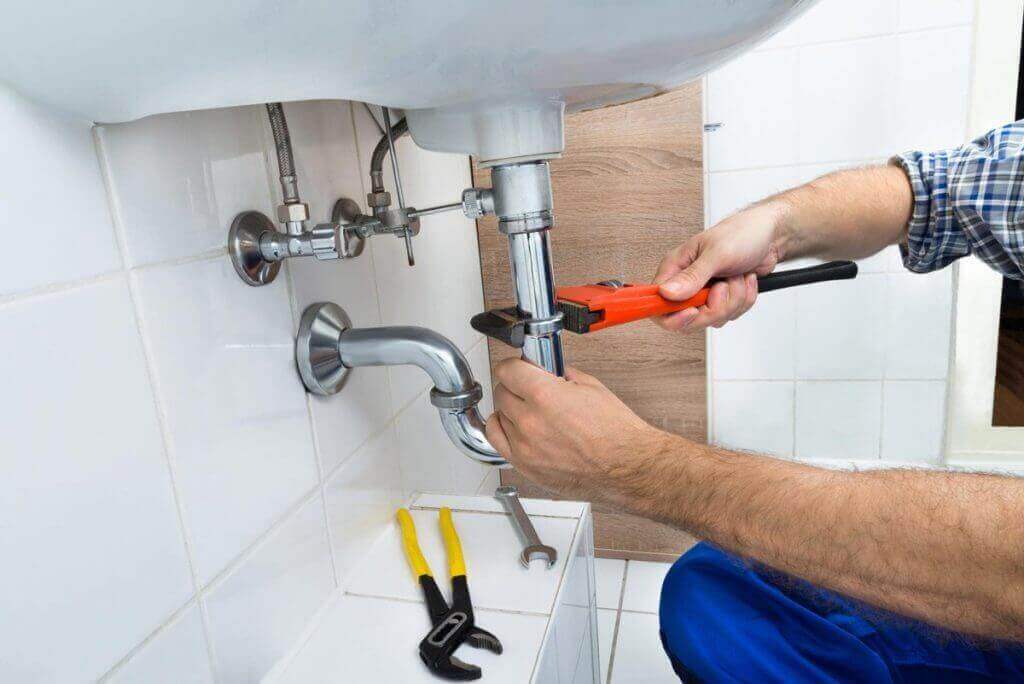
It’s easy to assume plumbing issues only require attention when a pipe bursts or a toilet overflows. Many homeowners delay calling a Plumber Blacktown, thinking small leaks or slow drains can wait. However, plumbing systems are complex networks hidden behind walls, under floors, and beneath gardens. What looks minor today can quietly develop into costly damage tomorrow.
In homes and commercial properties across Blacktown, unnoticed plumbing faults often lead to structural damage, mould growth, rising water bills, and even health concerns. The real risk isn’t always the visible problem — it’s what’s happening out of sight.
Small Plumbing Issues Rarely Stay Small
Many property owners hesitate to contact a Plumber Blacktown for what seems like a minor inconvenience. A dripping tap, slightly reduced water pressure, or a slow-draining sink may not feel urgent. Yet these early warning signs often indicate deeper system stress.
Here’s what those “small” issues could actually mean:
- A dripping tap may signal worn internal washers or valve damage.
- Slow drains can indicate partial blockages forming deep within pipes.
- Gurgling sounds may suggest ventilation problems or sewer line issues.
- Low water pressure could point to pipe corrosion or hidden leaks.
Ignoring these symptoms allows the problem to expand quietly. Over time, water damage can weaken walls, cabinetry, and flooring — leading to expensive repairs that could have been avoided with early attention.
Hidden Water Leaks Can Damage More Than You Think
One of the most overlooked plumbing concerns is concealed leakage. Water can escape from pipes behind walls or beneath concrete slabs without immediate visible signs.
Potential consequences of hidden leaks include:
- Structural timber weakening
- Mould and mildew growth
- Electrical safety hazards
- Foundation instability
- Increased water bills
In suburban areas like Blacktown, many properties include older plumbing infrastructure. Pipes installed decades ago may be susceptible to corrosion, joint failure, or root intrusion. Professional inspection can detect leaks using specialised tools before visible damage appears.
Blocked Drains Aren’t Just an Inconvenience
A blocked drain might seem like a routine annoyance. However, recurring clogs often signal deeper sewer or stormwater line problems.
Common causes include:
- Tree root invasion
- Grease buildup
- Collapsed or cracked pipes
- Foreign objects lodged in drains
Without professional assessment, repeated DIY attempts may temporarily clear the surface blockage while leaving the underlying issue untouched. Over time, pressure builds within the system, potentially resulting in sewage backups — a far more serious and unpleasant situation.
Midway through addressing persistent drainage issues, many residents discover that calling a qualified Plumber Blacktown prevents further disruption and property damage.
Rising Water Bills Without Explanation
An unexpected increase in water bills is often dismissed as seasonal usage. However, unexplained spikes frequently indicate hidden leaks or inefficient plumbing fixtures.
Possible causes include:
- Underground pipe leaks
- Faulty toilet cistern mechanisms
- Dripping outdoor taps
- Ageing hot water systems
Even a small leak can waste thousands of litres annually. Addressing inefficiencies promptly not only reduces utility costs but also conserves water — an increasingly important factor in Australia’s changing climate conditions.
Hot Water System Problems Can Escalate Quickly
Hot water systems tend to show warning signs before failing completely. These may include:
- Inconsistent water temperature
- Strange noises from the tank
- Rust-coloured water
- Reduced pressure in hot taps
Delaying maintenance can shorten system lifespan and increase replacement costs. Regular inspection ensures valves, thermostats, and heating elements operate correctly. In many cases, early repairs prevent full system breakdown.
Stormwater Drainage Matters More Than Expected
Blacktown properties can experience heavy rainfall periods. If stormwater systems are blocked or poorly maintained, water can accumulate around foundations or flood outdoor areas.
Risks of neglected stormwater drainage include:
- Soil erosion
- Property flooding
- Driveway damage
- Pest attraction
Routine checks help ensure water flows away from structures effectively. This type of preventive maintenance often goes unnoticed — until severe weather exposes vulnerabilities.
Renovations Without Plumbing Assessment Can Backfire
Home upgrades such as kitchen remodels or bathroom renovations often focus on aesthetics. However, failing to assess underlying plumbing during renovation can lead to future complications.
Older pipes may not support modern fixtures. Water pressure changes or poorly installed connections can create hidden stress within the system. Consulting a professional ensures compatibility, compliance with local standards, and long-term reliability.
Preventive Maintenance Saves Money Long-Term
Many people only call a plumber when a problem becomes urgent. Preventive maintenance, however, offers measurable benefits:
- Early leak detection
- Improved water efficiency
- Extended pipe lifespan
- Reduced emergency repair costs
- Better property value protection
Scheduling routine inspections provides peace of mind and reduces the likelihood of unexpected breakdowns.
Emergency Situations Often Start Quietly
Most plumbing emergencies do not begin dramatically. They develop gradually through overlooked warning signs. A small leak weakens a joint. A minor blockage increases pipe pressure. A slow drain masks deeper damage.
By the time visible flooding occurs, internal damage may already be extensive. Taking early action prevents disruption, protects property value, and reduces repair expenses.
FAQs
1. When should someone contact a plumber for minor issues?
If a plumbing issue persists for more than a few days, worsens, or causes changes in water pressure or drainage speed, professional assessment is recommended. Even minor signs can indicate larger hidden problems. Learn More About Plumber Blacktown Here
2. How often should plumbing systems be inspected?
For residential properties, a general inspection every 1–2 years is advisable. Older homes or properties with large trees nearby may benefit from more frequent drain and pipe checks.
3. Are blocked drains always caused by household waste?
Not always. While grease and debris contribute, tree roots, pipe collapse, and misaligned joints are common external causes requiring professional equipment for resolution.
4. Can hidden leaks really increase water bills significantly?
Yes. Even a slow, continuous leak can waste substantial water over time. Underground or concealed leaks often go unnoticed until billing statements reveal unusual increases.
5. Is preventive plumbing maintenance worth the cost?
Preventive maintenance is typically far less expensive than emergency repairs. Regular inspections reduce the risk of major failures, property damage, and unexpected service disruption.
General
Looking to Strengthen Your Independence? NDIS Providers Offer Consistent, Tailored Support for Sustainable Growth

Independence is something we all strive for, but for many people with disabilities, achieving it can feel like a daunting task. That’s where NDIS providers on the Gold Coast come in, offering consistent, tailored support to help you grow and live more independently. Whether you’re looking to strengthen your skills, improve your daily routines, or reach long-term goals, working with the right NDIS provider can make all the difference.
With a reliable NDIS provider, you get more than just assistance— you get a partner who supports your personal growth, helping you achieve sustainable independence that lasts a lifetime. Let’s dive into how NDIS providers can help you on your journey towards greater independence.
What is the NDIS and How Does It Help Strengthen Independence?
The NDIS (National Disability Insurance Scheme) is a government-sponsored program aimed at offering assistance to Australians living with disabilities. The goal of the NDIS is to help people live more independently by offering funding for services that enable them to achieve their personal goals.
- NDIS support encompasses a broad spectrum of services, including personal care, therapy, home modifications, and help with community engagement.
- NDIS providers are professionals who work with individuals to ensure that their needs are met through tailored care plans.
On the Gold Coast, NDIS providers are committed to helping people with disabilities lead more independent and fulfilling lives, by offering the consistent support necessary for real progress.
How NDIS Providers on the Gold Coast Promote Independence
Living independently does not merely mean handling everything on one’s own. It’s about having the right support to help you manage tasks, improve your skills, and make choices that align with your personal goals. Here’s how NDIS providers in the Gold Coast promote sustainable growth and independence:
1. Tailored Support Plans for Personalised Care
One of the key benefits of working with an NDIS provider Gold Coast is that they create personalised care plans. These plans are designed around your unique needs, goals, and abilities.
- Support is customised to help you achieve specific goals, whether that’s becoming more mobile, managing daily tasks, or participating in social activities.
- The right provider will create a plan that adapts as your needs change, ensuring continuous support.
With a tailored support plan, you’re not just receiving generic care— you’re receiving care that’s designed specifically for you.
2. Skill Development for Long-Term Growth
Becoming independent isn’t just about assistance—it’s about developing the skills to manage your life effectively. NDIS providers offer various services to help you build key skills for everyday living.
- Life skills training, such as budgeting, cooking, or time management.
- Health and wellbeing coaching, helping you stay active and manage your mental health.
- Mobility assistance to help you move safely and confidently in your home or community.
These services not only help you gain independence but also provide the confidence to live a self-sufficient life.
The Benefits of Working with an NDIS Provider on the Gold Coast
Working with an experienced NDIS provider Gold Coast offers a host of benefits for those looking to strengthen their independence. Here is what you can anticipate gaining:
1. Consistency and Reliability
Consistency is key to building independence. With a reliable NDIS provider, you won’t have to worry about gaps in your care or support. This reliability helps you maintain a steady routine, which is essential for long-term growth.
- Reliable, consistent care tailored to your needs.
- Continuous support, ensuring you have help when you need it most.
This consistency makes a big difference in managing everyday tasks and improving your overall quality of life.
2. Empowerment Through Choice and Control
A good NDIS provider doesn’t just offer services—they empower you to make decisions about your life. They work with you to set goals, choose the support that best meets your needs, and give you the control you deserve.
- Goal setting for personal achievements.
- Choice in how care is provided to suit your preferences and needs.
This sense of control enhances your confidence, ensuring that you feel more empowered in your daily life.
How Much Does NDIS Support Cost?
The cost of NDIS support can vary based on the level of care and services required. However, many of these costs are covered under your NDIS funding. Here’s a general overview of typical costs for services provided by NDIS providers on the Gold Coast:
| Service Type | Average Cost per Hour |
| Personal Care Support | \$45 – \$75 |
| Household Assistance | \$50 – \$80 |
| Social Participation | \$60 – \$90 |
| Skill Development | \$45 – \$70 |
These are approximate costs and can vary based on the type of service and provider.
If your NDIS plan includes these types of supports, most of these costs will be covered under your funding.
Choosing the Right NDIS Provider on the Gold Coast
When choosing an NDIS provider on the Gold Coast, it’s important to find a provider that fits your needs, goals, and lifestyle. Here are a few tips to help:
1. Know Your Needs
Before selecting a provider, assess your needs. What kind of support do you require? Do you need assistance with personal care, household tasks, or social activities? Understanding your requirements will assist you in refining the available choices.
2. Research Providers
Seek out providers that are registered with the NDIS and possess experience in assisting individuals with comparable requirements.Check reviews, ask for recommendations, and speak with a provider directly to get a feel for their services.
3. Understand the Services Provided
Ensure that the provider delivers the services you require. Some providers specialise in specific areas like personal care or therapy, while others offer broader support, including social and community participation.
Conclusion
Strengthening your independence is an ongoing journey, and working with the right NDIS provider Gold Coast can make all the difference. With tailored support, consistent care, and opportunities for skill development, you can confidently navigate life’s challenges and live the life you deserve.
Whether it’s gaining independence in personal care, developing new skills, or staying active in your community, NDIS providers offer the tools and support you need for sustainable growth. Reach out to a provider today and start building the independence you’ve been working towards.
FAQs
1. How do NDIS providers help with independence?
NDIS providers help individuals with disabilities gain more independence by providing personalised care, skill development, and social participation.
2. What kind of support can I expect from an NDIS provider on the Gold Coast?
NDIS providers on the Gold Coast offer a range of services including personal care, community engagement, household assistance, and skill development.
3. How much does NDIS support cost?
NDIS support typically ranges from \$45 to \$90 per hour for services like personal care and social participation. Most costs are covered under your NDIS funding.
4. Can NDIS providers help with social activities?
Yes, NDIS providers on the Gold Coast can assist with social participation, including helping you attend community events and activities.
5. What criteria should I consider when selecting an appropriate NDIS provider?
To choose the right provider, assess your needs, research available providers, and make sure they offer the services you require.
General
SIL Providers: Tailored Services to Help Individuals Live Independently, Safely, and with Dignity

Living independently is a goal for many, but for individuals with disabilities, it can often be a challenge. Supported Independent Living (SIL) services are designed to offer the support needed to achieve this goal, helping individuals live in their own homes or supported accommodation with dignity, safety, and a sense of autonomy. SIL providers are essential in assisting people with disabilities in managing daily tasks, improving their health, and fostering social connections.In this article, we will explore how SIL providers help people live independently, the various support services they offer, and how these services can improve the quality of life for individuals.
What Are SIL Providers and Why Are They Important?
SIL providers are organisations or individuals who assist people with disabilities in living independently. These providers deliver tailored services that support individuals with daily activities, healthcare management, and community participation. SIL services are all about enhancing independence while ensuring safety, health, and wellbeing.
Individualised Support Plans
SIL providers develop personalised support plans that cater to the specific needs of each individual, ensuring they get the most relevant assistance.
Flexible and Responsive Care
These services are adaptable, ensuring that support levels can be increased or decreased as needed to match the individual’s progress.
Key Services Offered by SIL Providers
SIL providers offer a wide variety of services that are tailored to help individuals manage their day-to-day lives with independence and dignity. These services are designed to cover everything from personal care to social engagement, ensuring a holistic approach to care.
1. Personal Care Assistance
One of the most essential services offered by SIL providers is personal care assistance. This includes help with bathing, dressing, and other personal hygiene tasks.
Promoting Independence in Personal Hygiene
Personal care assistance allows individuals to maintain their hygiene and dignity, empowering them to manage their day-to-day routine independently with just the right amount of support.
Support for Mobility and Safety
SIL providers also assist with mobility, ensuring that individuals can move safely within their homes and surroundings.
2. Daily Living Tasks
Living independently requires assistance with various household tasks, from cooking to cleaning. SIL providers offer daily living support to ensure that individuals can take care of their homes and themselves.
Assisting with Household Chores
SIL services help with tasks like preparing meals, washing dishes, and laundry, ensuring a clean, comfortable living environment.
Encouraging Self-Sufficiency
Support with daily living activities helps individuals gain the skills needed to manage their households, making them feel more independent.
3. Health and Safety Management
Managing health and safety is a top priority, and SIL providers offer support in handling medications, appointments, and maintaining overall health.
Medication Management
SIL providers assist with managing medications and health routines, ensuring individuals stay on top of their health and follow necessary treatments.
Safety in the Home
Support is also provided to ensure the living environment is safe, from preventing falls to making necessary adjustments for accessibility.
4. Social and Community Participation
Isolation can be a significant issue for individuals with disabilities, which is why SIL providers also focus on social inclusion and community participation.
Building Social Connections
SIL providers help individuals engage in social activities, attend events, and build relationships with others, promoting mental wellbeing and reducing loneliness.
Encouraging Participation in the Community
From recreational activities to community outreach, SIL providers ensure that individuals are involved and valued in their communities.
5. Independent Living Skills
A key goal for many individuals is to gain independence in all aspects of their lives. SIL providers teach essential life skills, helping individuals take control of their personal and household management.
Life Skills Development
Providers teach practical skills such as budgeting, cooking, and managing personal affairs, enabling individuals to function independently in society.
Improving Confidence
Learning these skills boosts self-esteem, helping individuals feel more confident in managing their daily lives.
Here is the simplified table showcasing the SIL support services and their impact on independence:
Support Service Description Impact on Independence Personal Care Assistance Assisting with daily personal care, including hygiene and dressing. High Daily Living Tasks Providing help with cooking, cleaning, and other daily tasks. High Health and Safety Management Managing medication, health appointments, and emergency support. Medium Social and Community Participation Supporting participation in social events, outings, and community activities. Medium Independent Living Skills Teaching life skills such as budgeting, cooking, and household management. High
This simple table provides a clear overview of the SIL support services and how they contribute to enhancing independence.
How SIL Providers Enhance Independence
The overall aim of SIL providers is to give individuals the tools, skills, and support they need to live as independently as possible. With the right support, people with disabilities can live fulfilling lives, making choices about their living arrangements, social activities, and healthcare.
Promoting Autonomy
By offering tailored support, SIL providers allow individuals to live in their own homes or supported accommodation while maintaining a high level of independence.
Customised Support Plans
Each individual receives a support plan that meets their specific needs, whether it’s assistance with personal care, managing health, or social engagement.
Conclusion
SIL providers Melbourne play a crucial role in empowering individuals with disabilities to live independently, safely, and with dignity. Through a variety of services that cater to personal care, daily living tasks, health management, social participation, and life skills development, these providers help individuals lead fulfilling and independent lives. By working with an experienced SIL provider, people with disabilities can gain the tools and support necessary to manage their daily lives, contribute to their communities, and experience increased autonomy and confidence.
FAQs
1. What services do SIL providers offer?
SIL providers offer personal care, daily living assistance, health and safety management, social and community participation, and life skills development to help individuals live independently.
2. How do I access SIL services?
To access SIL services, you must be eligible for the NDIS and have funding for SIL included in your NDIS plan. Your NDIS plan will outline the level of support you can receive.
3. Can SIL services help me live in my own home?
Yes, SIL services are designed to help individuals live independently in their own homes or supported accommodation, with the right level of assistance tailored to their needs.
4. Are SIL providers available across Australia?
Yes, SIL providers are available nationwide, including in metropolitan and regional areas, ensuring that people with disabilities can access support services wherever they live.
5. How can SIL services improve my quality of life?
SIL services promote independence, improve social engagement, enhance self-esteem, and provide the necessary support to manage daily tasks, leading to a better overall quality of life.

How Exercise Physiology Helps People Recover Faster from Injuries

What Locals Love About Kilmore Taxi: A Practical Look at Service Quality

Real Plumbing Advice from a Plumber Sydney You Shouldn’t Ignore

The Science Behind Melbourne’s Unpredictable Climate: What’s Really Going On?

5 Must-Try Halal Restaurants You Can’t Miss in Geelong

Top 3 Halal Restaurants in Ballarat You Must Try
-
 Melbourne10 months ago
The Science Behind Melbourne’s Unpredictable Climate: What’s Really Going On?
-
 Food10 months ago
5 Must-Try Halal Restaurants You Can’t Miss in Geelong
-
 Food10 months ago
Top 3 Halal Restaurants in Ballarat You Must Try
-

 Food4 months ago
Felix Cat Food Review: Is It the Right Choice for Your Cat?
-
 Eco Friendly4 years ago
Plastic-Free Coffee Makers: Myth or Must-Have?
-

 Food10 months ago
Comparing the 4 Best Burger Joints in Werribee
-

 Healthcare4 years ago
7 Top NDIS Providers in Melbourne That’ll Make Life a Whole Lot Easier
-

 Food10 months ago
Best Indian Cuisine in Perth: Top 5 Restaurants You Must Try