
Healthcare
How Chemical-Free Baby Soap Supports Your Baby’s Skin and Health


Every parent wants the best for their baby—soft cuddles, gentle care, and the healthiest start possible. When it comes to bath time, choosing the right soap might seem like a small detail, but it can have a big impact on your baby’s delicate skin and overall health. Chemical-free baby soaps have been gaining popularity for a good reason: they’re gentler, safer, and better suited for a baby’s sensitive skin than conventional soaps packed with synthetic chemicals.
In this blog, we’ll explore why chemical-free baby soap is a wise choice, how it supports healthy skin development, and share practical tips to keep your baby’s skin nourished and irritation-free. Whether you’re a first-time parent or simply looking to switch up your baby care routine, understanding the benefits of natural, plant-based cleansers is essential for your little one’s wellbeing.
Why Baby Skin Needs Extra Care: The Sensitivity Factor
Babies’ skin is unlike adult skin in many ways. It’s thinner, more delicate, and more vulnerable to external irritants. Understanding this sensitivity is the first step in choosing the right baby soap.
Key Differences in Baby Skin:
- Thinner Skin Barrier: A baby’s skin is about 30% thinner than adult skin, making it more permeable and prone to moisture loss.
- Immature Barrier Function: The protective barrier of baby skin is still developing, so it’s less effective at keeping out irritants and allergens.
- Higher pH Sensitivity: Baby skin has a higher pH than adult skin, making it more prone to dryness and irritation when exposed to harsh soaps or chemicals.
- Increased Absorption: Due to the thin barrier, harmful chemicals can penetrate more easily, potentially causing allergic reactions or long-term issues.
Why This Matters:
- Harsh chemicals in many traditional baby soaps can strip away natural oils, disrupt the skin’s pH balance, and cause dryness or irritation.
- Babies with sensitive skin or conditions like eczema are particularly vulnerable to these irritants, which can worsen symptoms.
What Makes Chemical-Free Baby Soap Better?
Chemical-free baby soaps are made using natural, plant-based ingredients that are gentle on baby skin. They avoid harsh synthetic chemicals, dyes, fragrances, and preservatives that can cause irritation.
Benefits of Chemical-Free Baby Soaps:
- Gentle Cleansing: Natural cleansers like coconut-derived surfactants clean without stripping the skin’s natural oils.
- Plant-Based Moisturisers: Ingredients like aloe vera, chamomile, calendula, and shea butter nourish and hydrate the skin while soothing irritation.
- Hypoallergenic: Free from synthetic fragrances and dyes, these soaps are less likely to cause allergic reactions or skin sensitivities.
- Balanced pH: Many chemical-free soaps are formulated to maintain the natural pH of baby skin, helping preserve its barrier function.
- Environmentally Friendly: Made with biodegradable ingredients and often packaged sustainably, chemical-free soaps are kinder to the planet too.
Common Natural Ingredients:
- Coconut Oil: A natural cleanser that also moisturises.
- Aloe Vera: Known for its soothing and healing properties.
- Calendula: Reduces inflammation and promotes skin repair.
- Chamomile: Calms and reduces redness.
- Shea Butter: Deeply nourishes and softens skin.
Tips for Maintaining Healthy Baby Skin with Chemical-Free Soap
Choosing the right soap is just the start. How you care for your baby’s skin day-to-day can make all the difference in keeping it healthy and irritation-free.
Practical Tips:
- Use Mild, Chemical-Free Soap Sparingly: Babies don’t need to be bathed every day. Two to three times a week is usually enough to prevent dryness.
- Avoid Hot Water: Use lukewarm water for baths, as hot water can dry out skin and aggravate sensitivities.
- Pat Dry, Don’t Rub: After bath time, gently pat your baby’s skin dry with a soft towel to avoid irritation.
- Moisturise Immediately: Apply a gentle, natural baby lotion or oil right after drying to lock in moisture and protect the skin barrier.
- Keep Hydrated: For breastfeeding mums, hydration supports milk quality, which in turn supports your baby’s health.
- Patch Test New Products: Before fully introducing a new soap or lotion, do a patch test on a small area to check for reactions.
Expert Opinions and Testimonials: The Growing Trust in Chemical-Free Baby Care
Healthcare professionals and parents alike are recognising the benefits of chemical-free baby soaps for sensitive skin.
What Experts Say:
- Paediatric Dermatologists recommend chemical-free, fragrance-free cleansers for babies prone to eczema or dry skin.
- Australian Skin and Cancer Foundation encourages choosing mild, pH-balanced products to protect skin integrity.
- Nurses and Midwives often advise new parents to avoid harsh soaps and use natural products to minimise skin irritation.
Parent Testimonials:
- “Switching to a chemical-free baby soap made a noticeable difference for my daughter’s eczema. Her skin is softer, and we’ve had fewer flare-ups.”
- “I love knowing that the soap I use on my newborn is free of nasties. It’s gentle and smells naturally fresh without overwhelming scents.”
- “Bath time is more enjoyable now that I don’t have to worry about rashes or irritations caused by harsh soaps.”
The Bigger Picture: Why It’s Worth Making the Switch
Choosing chemical-free baby soap isn’t just about preventing rashes or dryness—it’s about giving your baby the best start in life, protecting their delicate skin, and supporting overall health.
Long-Term Benefits:
- Healthier Skin Development: Gentle care supports your baby’s skin to develop a strong, effective barrier against allergens and irritants.
- Reduced Risk of Allergies: Avoiding harsh chemicals early on can help reduce the risk of developing skin allergies or sensitivities.
- Better Sleep and Comfort: Comfortable, irritation-free skin means a happier, more settled baby, leading to better sleep for the whole family.
- Sustainability: Choosing natural, biodegradable products supports environmental health, an important consideration for the world your baby will grow up in.
Common Misconceptions About Chemical-Free Baby Soaps
There’s some confusion about what “chemical-free” really means, so let’s clear a few things up.
Myth 1: “Chemical-Free” Means No Chemicals at All
- All substances, natural or synthetic, are made of chemicals. Chemical-free usually means free from synthetic chemicals like parabens, sulfates, phthalates, and artificial fragrances.
- Natural ingredients like coconut oil and aloe vera are chemicals, but they’re gentle and safe for babies.
Myth 2: Natural Equals Allergy-Free
- Natural products can still cause allergic reactions, so it’s important to patch test new products.
- Look for products that are hypoallergenic and dermatologically tested.
Myth 3: Chemical-Free Baby Soap Is Expensive
- While some brands are pricey, many affordable options provide excellent quality without harmful additives.
- Investing in safe skincare for your baby can save money by preventing costly doctor visits or treatments for skin conditions.
How to Choose the Right Chemical-Free Baby Soap in Australia 🇦🇺
If you’re in Melbourne, Perth, or anywhere across Australia, here are some tips to help you pick the best chemical-free baby soap.
Things to Look For:
- Certified Organic Ingredients: Look for certifications like Australian Certified Organic or COSMOS-standard.
- Fragrance-Free or Naturally Scented: Avoid artificial fragrances, which can irritate sensitive skin.
- pH-Balanced Formula: Choose soaps formulated for baby skin’s natural pH (around 5.5).
- Hypoallergenic and Dermatologist-Tested: These products have been tested for safety on sensitive skin.
- No Sulfates or Parabens: These harsh chemicals can strip skin of natural oils and cause dryness.
Local Brands to Consider:
- Ethical Baby: Australian brand with natural, gentle formulas.
- Earth Baby: Known for toxin-free, safe baby skincare.
- Little Innoscents: Organic, plant-based ingredients and free from nasty chemicals.
Quick Recap: How Chemical-Free Baby Soap Supports Your Baby’s Skin
| Key Benefit | Why It Matters |
| Gentle Cleansing | Cleans without stripping natural oils |
| Natural Moisturising | Nourishes and soothes skin |
| Hypoallergenic Formula | Minimises risk of irritation and allergies |
| pH-Balanced | Supports skin barrier development |
| Safe for Sensitive Skin | Ideal for eczema-prone or delicate skin |
| Environmentally Friendly | Biodegradable and sustainable ingredients |
Final Thoughts: Gentle Care for Your Little One’s Biggest Organ
Your baby’s skin is their first line of defence against the world—and it deserves gentle, loving care. Chemical-free baby soaps are designed to support your baby’s skin health naturally, avoiding the harsh chemicals that can cause irritation or dryness. From nourishing plant-based ingredients to maintaining the skin’s delicate balance, these soaps provide peace of mind for parents who want the best for their little ones.
Bath time can be a special, soothing ritual when you know the products you’re using are kind to your baby’s skin and health. So why not make the switch to chemical-free baby soap today? Your baby’s skin—and your heart—will thank you.
FAQs
Q1: Can chemical-free baby soap prevent eczema?
While it can’t guarantee prevention, chemical-free soaps reduce irritation and support skin barrier health, which helps manage eczema symptoms.
Q2: Is it safe to use adult natural soaps on babies?
Adult soaps can be too harsh. Always choose products formulated specifically for baby’s sensitive skin.
Q3: How often should I bathe my baby?
Two to three times a week is usually enough. Daily bathing can dry out baby’s skin.
Q4: Can I make my own chemical-free baby soap at home?
Yes, but be cautious with ingredient choices and hygiene. It’s best to use trusted, tested commercial products.
Q5: What if my baby develops a rash after using a soap?
Stop using the product immediately and consult your paediatrician or dermatologist.



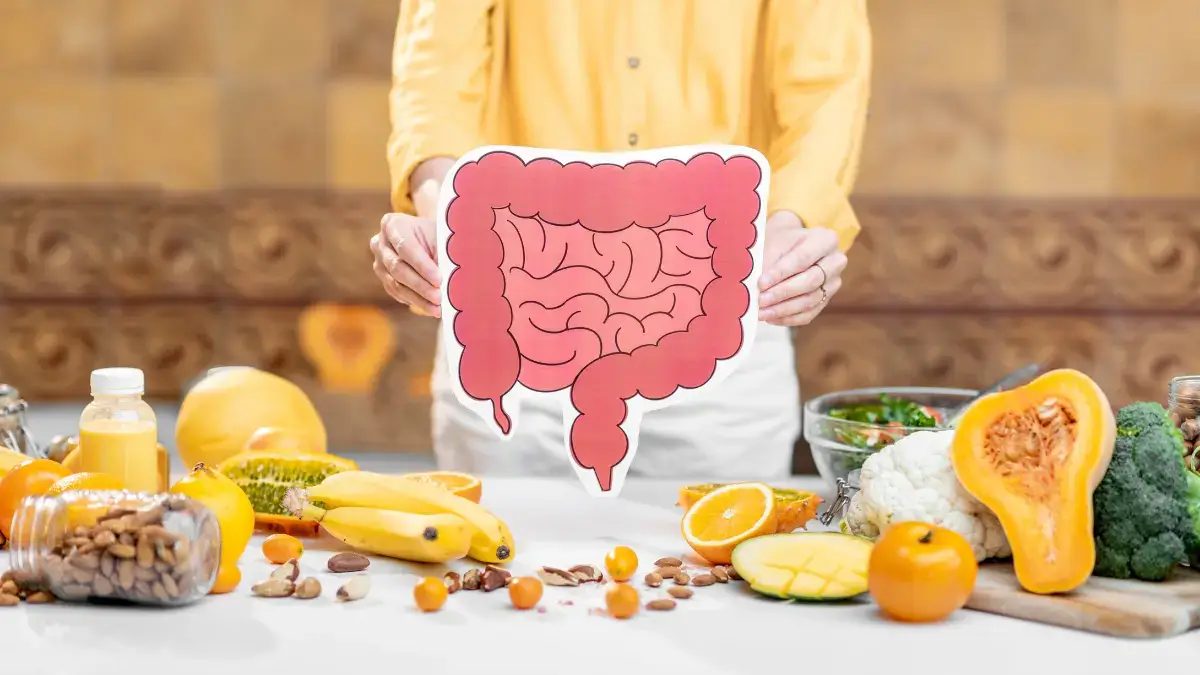
In recent years, collagen has become one of Australia’s most talked-about wellness supplements. While many people link collagen to skin elasticity, joint support, and healthy ageing, there’s another benefit that often goes under the radar: gut health. More Aussies are now turning to collagen to support digestion, reduce inflammation, and strengthen their intestinal lining.
This article explores the science, benefits, and practical tips behind collagen and gut health, helping you understand how this powerful protein may boost your digestive wellness.
What Is Collagen?
Collagen is the most abundant protein in the human body. It provides structure to your:
- Skin
- Bones
- Muscles
- Connective tissues
- Digestive tract
Your gut lining, especially the intestinal wall, is rich in collagen. When collagen levels decline due to ageing, stress, poor diet, or illness, your gut’s structural integrity can weaken — potentially leading to digestive discomfort or imbalance.
How Collagen Supports Gut Health
1. Helps Repair and Strengthen the Gut Lining
The walls of your intestines are made from proteins, including collagen and amino acids like glycine and glutamine. These components help repair the mucosal lining and maintain a strong barrier.
A healthy gut lining prevents leaky gut—a condition where toxins and particles pass into the bloodstream, causing inflammation and digestive issues.
2. Reduces Gut Inflammation
Collagen contains glycine, an anti-inflammatory amino acid known to calm digestive irritation. This is particularly beneficial for people with:
- IBS (Irritable Bowel Syndrome)
- IBD (Crohn’s, Ulcerative Colitis – always seek medical advice)
- Chronic bloating or discomfort
By reducing inflammation, collagen may support smoother and less painful digestion.
3. Supports Stomach Acid Production
Low stomach acid is surprisingly common and can lead to:
- Bloating
- Indigestion
- Nutrient malabsorption
Collagen helps promote adequate gastric acid levels, supporting proper breakdown of foods and improved nutrient absorption.
4. Supports Healthy Gut Motility
Certain amino acids in collagen help regulate digestion speed, supporting a more balanced digestive rhythm. This is helpful for both constipation and irregular bowel movements.
5. Boosts Beneficial Gut Bacteria
Emerging research suggests collagen may encourage a healthy gut microbiome by supporting an environment where beneficial bacteria can thrive — an essential part of overall digestive wellness.
Types of Collagen for Gut Health
1. Collagen Peptides (Hydrolysed Collagen)
The most popular option in Australia.
Easily digested and great for daily gut support.
2. Gelatin
A natural form of cooked collagen.
Often used in broths, gummies, and homemade wellness snacks.
3. Bone Broth
A traditional, whole-food source of collagen.
Rich in minerals, amino acids, and nutrients that nourish the gut lining.
Who Can Benefit from Collagen for Gut Health?
Collagen may be helpful for Australians who experience:
- Frequent bloating
- Mild digestive discomfort
- Gut inflammation
- Food sensitivities
- Stress-related gut issues
- Poor nutrient absorption
- Ageing-related decline in collagen levels
It’s also widely used by athletes, busy professionals, and older adults who want to support digestion naturally.
Always consult a healthcare professional if you have a medical condition or ongoing gut symptoms.
How to Take Collagen for Digestive Wellness
1. Add Collagen Powder to Drinks
Easy options include:
- Coffee
- Smoothies
- Protein shakes
- Herbal tea
Hydrolysed collagen dissolves quickly and has no taste.
2. Incorporate Bone Broth Into Meals
Try adding it to:
- Soups
- Curries
- Slow-cooked dishes
Bone broth offers both collagen and digestion-supporting minerals.
3. Use Gelatin in Recipes
Gelatin can be added to:
- Homemade gummies
- Puddings
- Healthy desserts
4. Consider Morning or Evening Timing
Many people take collagen:
- Morning – to support digestion throughout the day
- Evening – when the body repairs the gut lining
Either time is effective as long as intake is consistent.
How Long Does It Take to See Gut Health Benefits?
Most Australians notice improvements within:
- 2–4 weeks – reduced bloating and better digestion
- 6–8 weeks – improved regularity and gut comfort
- 8–12 weeks – stronger effects on inflammation and gut lining support
Consistency is key.
Collagen and Gut Health: Are There Any Side Effects?
Collagen is generally considered safe. Minor side effects may include:
- Mild bloating (usually temporary)
- Digestive adjustments as your gut adapts
Choosing a high-quality, Australian-made collagen with no additives reduces the chance of issues.
Choosing the Best Collagen Supplement in Australia
When buying a collagen supplement, look for:
- Grass-fed, pasture-raised sources
- Hydrolysed peptides for better absorption
- A product with no artificial fillers or flavours
- Australian-made for quality assurance
- A brand with transparency and third-party testing
Final Thoughts
The connection between collagen and gut health is becoming increasingly recognised in the wellness world — and for good reason. Collagen supports the gut lining, reduces inflammation, improves digestion, and promotes a balanced microbiome.
Also Read This: Looking to Strengthen Your Independence? NDIS Providers Offer Consistent, Tailored Support for Sustainable Growth
General
Looking to Strengthen Your Independence? NDIS Providers Offer Consistent, Tailored Support for Sustainable Growth

Independence is something we all strive for, but for many people with disabilities, achieving it can feel like a daunting task. That’s where NDIS providers on the Gold Coast come in, offering consistent, tailored support to help you grow and live more independently. Whether you’re looking to strengthen your skills, improve your daily routines, or reach long-term goals, working with the right NDIS provider can make all the difference.
With a reliable NDIS provider, you get more than just assistance— you get a partner who supports your personal growth, helping you achieve sustainable independence that lasts a lifetime. Let’s dive into how NDIS providers can help you on your journey towards greater independence.
What is the NDIS and How Does It Help Strengthen Independence?
The NDIS (National Disability Insurance Scheme) is a government-sponsored program aimed at offering assistance to Australians living with disabilities. The goal of the NDIS is to help people live more independently by offering funding for services that enable them to achieve their personal goals.
- NDIS support encompasses a broad spectrum of services, including personal care, therapy, home modifications, and help with community engagement.
- NDIS providers are professionals who work with individuals to ensure that their needs are met through tailored care plans.
On the Gold Coast, NDIS providers are committed to helping people with disabilities lead more independent and fulfilling lives, by offering the consistent support necessary for real progress.
How NDIS Providers on the Gold Coast Promote Independence
Living independently does not merely mean handling everything on one’s own. It’s about having the right support to help you manage tasks, improve your skills, and make choices that align with your personal goals. Here’s how NDIS providers in the Gold Coast promote sustainable growth and independence:
1. Tailored Support Plans for Personalised Care
One of the key benefits of working with an NDIS provider Gold Coast is that they create personalised care plans. These plans are designed around your unique needs, goals, and abilities.
- Support is customised to help you achieve specific goals, whether that’s becoming more mobile, managing daily tasks, or participating in social activities.
- The right provider will create a plan that adapts as your needs change, ensuring continuous support.
With a tailored support plan, you’re not just receiving generic care— you’re receiving care that’s designed specifically for you.
2. Skill Development for Long-Term Growth
Becoming independent isn’t just about assistance—it’s about developing the skills to manage your life effectively. NDIS providers offer various services to help you build key skills for everyday living.
- Life skills training, such as budgeting, cooking, or time management.
- Health and wellbeing coaching, helping you stay active and manage your mental health.
- Mobility assistance to help you move safely and confidently in your home or community.
These services not only help you gain independence but also provide the confidence to live a self-sufficient life.
The Benefits of Working with an NDIS Provider on the Gold Coast
Working with an experienced NDIS provider Gold Coast offers a host of benefits for those looking to strengthen their independence. Here is what you can anticipate gaining:
1. Consistency and Reliability
Consistency is key to building independence. With a reliable NDIS provider, you won’t have to worry about gaps in your care or support. This reliability helps you maintain a steady routine, which is essential for long-term growth.
- Reliable, consistent care tailored to your needs.
- Continuous support, ensuring you have help when you need it most.
This consistency makes a big difference in managing everyday tasks and improving your overall quality of life.
2. Empowerment Through Choice and Control
A good NDIS provider doesn’t just offer services—they empower you to make decisions about your life. They work with you to set goals, choose the support that best meets your needs, and give you the control you deserve.
- Goal setting for personal achievements.
- Choice in how care is provided to suit your preferences and needs.
This sense of control enhances your confidence, ensuring that you feel more empowered in your daily life.
How Much Does NDIS Support Cost?
The cost of NDIS support can vary based on the level of care and services required. However, many of these costs are covered under your NDIS funding. Here’s a general overview of typical costs for services provided by NDIS providers on the Gold Coast:
| Service Type | Average Cost per Hour |
| Personal Care Support | \$45 – \$75 |
| Household Assistance | \$50 – \$80 |
| Social Participation | \$60 – \$90 |
| Skill Development | \$45 – \$70 |
These are approximate costs and can vary based on the type of service and provider.
If your NDIS plan includes these types of supports, most of these costs will be covered under your funding.
Choosing the Right NDIS Provider on the Gold Coast
When choosing an NDIS provider on the Gold Coast, it’s important to find a provider that fits your needs, goals, and lifestyle. Here are a few tips to help:
1. Know Your Needs
Before selecting a provider, assess your needs. What kind of support do you require? Do you need assistance with personal care, household tasks, or social activities? Understanding your requirements will assist you in refining the available choices.
2. Research Providers
Seek out providers that are registered with the NDIS and possess experience in assisting individuals with comparable requirements.Check reviews, ask for recommendations, and speak with a provider directly to get a feel for their services.
3. Understand the Services Provided
Ensure that the provider delivers the services you require. Some providers specialise in specific areas like personal care or therapy, while others offer broader support, including social and community participation.
Conclusion
Strengthening your independence is an ongoing journey, and working with the right NDIS provider Gold Coast can make all the difference. With tailored support, consistent care, and opportunities for skill development, you can confidently navigate life’s challenges and live the life you deserve.
Whether it’s gaining independence in personal care, developing new skills, or staying active in your community, NDIS providers offer the tools and support you need for sustainable growth. Reach out to a provider today and start building the independence you’ve been working towards.
FAQs
1. How do NDIS providers help with independence?
NDIS providers help individuals with disabilities gain more independence by providing personalised care, skill development, and social participation.
2. What kind of support can I expect from an NDIS provider on the Gold Coast?
NDIS providers on the Gold Coast offer a range of services including personal care, community engagement, household assistance, and skill development.
3. How much does NDIS support cost?
NDIS support typically ranges from \$45 to \$90 per hour for services like personal care and social participation. Most costs are covered under your NDIS funding.
4. Can NDIS providers help with social activities?
Yes, NDIS providers on the Gold Coast can assist with social participation, including helping you attend community events and activities.
5. What criteria should I consider when selecting an appropriate NDIS provider?
To choose the right provider, assess your needs, research available providers, and make sure they offer the services you require.

Choosing the right NDIS Psychologist in Frankston is a bit like finding a decent surf spot on a windy day — not impossible, but it does take a bit of know-how. Whether you’re new to the NDIS world or just looking to switch providers, finding someone who truly gets you (or your loved one) is key.
It’s not about the fanciest website or the flashiest titles. It’s about connection, experience, and good old-fashioned local know-how. Let’s break it down — with less jargon and more straight talk.
1. First Things First — Know What NDIS Covers
The NDIS isn’t just about wheelchairs and physio. It also covers mental health and emotional support — and that includes psychology services.
If your plan includes funding for “Improved Daily Living” or “CB Daily Activities,” chances are psychology services are fair game. That means assessments, one-on-one therapy, behavioural support, or even telehealth. Pretty handy, especially if the nearest clinic’s a bit of a hike.
Just make sure it’s all written in your plan. No surprises later.
2. NDIS Registration Isn’t Optional (Unless You’re Self-Managed)
Now here’s a curveball. Not every psychologist can work with every NDIS participant.
- If your plan is NDIA-managed, you can only use NDIS-registered providers.
- If you’re plan-managed or self-managed, you’ve got more flexibility — even unregistered psychologists are on the table.
- Always double-check before booking. Some practices list NDIS, but only work with certain funding types.
Don’t be shy — just ask straight up: “Can you work with my NDIS plan?” Saves a lot of faffing about.
3. Look for Experience with Your Specific Needs
NDIS isn’t one-size-fits-all, and neither are psychologists.
A good NDIS Psychologist in Frankston will have real experience with the challenges you’re facing — whether that’s ASD, anxiety, intellectual disability, or trauma. Some have worked in schools, some in hospitals, others in the community. That background can make a world of difference.
Also, not every psych is cut out for working with kids or non-verbal clients. Ask them about their experience. If they look like a deer in headlights, you’ve got your answer.
4. Local Is Always Better — And Frankston Has Some Gems
Frankston’s no stranger to great healthcare — and psychology is no exception. Staying local has its perks:
- Easy travel (or none at all if telehealth is an option)
- Familiarity with Frankston-based support services
- Quicker bookings and emergency availability
- Less stress and more consistency in sessions
That means fewer missed appointments and better overall outcomes. Plus, you’re supporting the local economy — win-win.
5. A Flashy Website Doesn’t Equal Quality Care
We’ve all been there — scrolling through polished websites with sleek bios and fancy taglines. But when it comes to therapy, the real magic happens in the room (or on Zoom).
Take online reviews with a grain of salt, but do read them. Ask locals in Facebook groups, or check with your GP or support coordinator. Word-of-mouth in Frankston still trumps Google Ads any day.
Here’s a handy table to guide you in your search:
Criteria Why It Matters NDIS Experience Knows how to navigate the funding and planning process Specialisation Relevant to your diagnosis or needs Local Knowledge Knows local services and community Good Reputation Backed by real reviews, not just marketing fluff Communication Style Should match your needs and comfort level
6. Test the Waters Before You Commit
Most psychologists offer a free intro call — 10–15 minutes to see if you click. Use that chance. You’re not committing to a lifetime relationship.
Pay attention to how they listen. Are they actually engaging, or just waiting to talk? Do they seem flexible or rigid? Do they explain things in plain English?
Trust your gut. If it feels off, it probably is. Therapy’s a team sport — both sides need to bring their best game.
Demand Is Growing Fast — Here’s the Data
Mental health is no longer in the shadows — and NDIS has played a big role in that shift. Take a look at the growth in participants using psychology services under the scheme:
Graph: NDIS Participants Accessing Psychology Services (2020–2025 est.)
2020 – 42,000
2021 – 51,000
2022 – 61,000
2023 – 74,000
2024 – 88,000
2025 – 100,000+ (estimated)
Source: NDIS.gov.au
It’s clear — more Aussies are recognising the value of mental health support. So don’t feel weird or hesitant. You’re part of a growing, empowered community.
Final Word: Take Your Time and Choose Wisely
At the end of the day, choosing the right NDIS Psychologist in Frankston is about finding someone who feels right. Someone who sees you, supports you, and has the know-how to help you move forward.
There’s no need to rush. Do your homework. Ask the awkward questions. And don’t settle for “just okay.”
FAQs
1. What if my psychologist doesn’t work out?
You’re free to switch. Just update your plan and let your coordinator know.
2. Can I choose more than one psychologist?
Absolutely. Some people use one for assessments and another for regular therapy.
3. Are psychology sessions capped under NDIS?
It depends on your plan. You might have 20 hours or 200 — it all comes down to your goals.
4. What’s the average cost per session in Frankston?
Roughly \$190–\$230 per hour, but NDIS covers it if it’s in your budget.
5. Is in-home therapy an option?
Yes — some local psychologists offer home visits, depending on your needs.

Generative AI (GenAI) 2.0: The Next Evolution of Intelligent Systems

Signs Your Stormwater Drains Are Clogged Bad – Don’t Ignore These Red Flags

How to Clear Blocked Stormwater Drains in Winter: A Practical Aussie Guide

The Science Behind Melbourne’s Unpredictable Climate: What’s Really Going On?

5 Must-Try Halal Restaurants You Can’t Miss in Geelong

Top 3 Halal Restaurants in Ballarat You Must Try
-
 Melbourne9 months ago
The Science Behind Melbourne’s Unpredictable Climate: What’s Really Going On?
-
 Food10 months ago
5 Must-Try Halal Restaurants You Can’t Miss in Geelong
-
 Food10 months ago
Top 3 Halal Restaurants in Ballarat You Must Try
-
 Eco Friendly3 years ago
Plastic-Free Coffee Makers: Myth or Must-Have?
-

 Food10 months ago
Comparing the 4 Best Burger Joints in Werribee
-

 Healthcare4 years ago
7 Top NDIS Providers in Melbourne That’ll Make Life a Whole Lot Easier
-

 Food9 months ago
Best Indian Cuisine in Perth: Top 5 Restaurants You Must Try
-

 Automotive10 months ago
How to Secure the Best Car Finance Deal: Tips for Negotiating and Saving Money