
Listing
What Does a Physio Therapy Assistant Do? A Complete Guide


If you’ve ever worked with a physiotherapist or explored careers in allied health, you may have heard the term Physio Therapy Assistant. While physiotherapists diagnose and create treatment pathways, a Physio Therapy Assistant plays a key supportive role in helping clients complete their therapy plans. This role is becoming increasingly essential across hospitals, aged care, NDIS services, rehabilitation centres, and private clinics.
Whether you’re considering a career in this field or seeking therapy support for yourself or a family member, understanding the role of a Physio Therapy Assistant can help you make informed decisions.
What Is a Physio Therapy Assistant?
A Physio Therapy Assistant (sometimes called a Physiotherapy Aide or PTA) works under the supervision of a qualified physiotherapist to help patients progress through rehabilitation and therapy programs. They do not diagnose conditions but instead support clients with exercises, mobility programs, treatment routines, and day-to-day functional improvement.
Their goal is to make physiotherapy more consistent, effective, and accessible — especially for participants who require ongoing support, such as NDIS clients, seniors, and people recovering from injury or surgery.
Key Responsibilities of a Physio Therapy Assistant
The exact duties may vary depending on the workplace and client needs, but common responsibilities include:
1. Supporting Exercise and Treatment Plans
Physio Therapy Assistants guide clients through prescribed exercises and mobility routines to strengthen muscles, improve balance, and increase flexibility.
2. Monitoring Progress
They assist in recording client improvements, session outcomes, and any changes in mobility or comfort levels to report back to the supervising physiotherapist.
3. Educating and Motivating Clients
Motivation is a major part of rehabilitation. Physio Therapy Assistants help clients stay confident, consistent, and engaged throughout therapy.
4. Assisting with Equipment
From resistance bands and balance tools to mobility aids and treatment equipment, assistants ensure everything is set up, safe, and used correctly.
5. Administrative Support
Scheduling, documentation, hygiene maintenance, and session notes may also be part of the role.
Where Do Physio Therapy Assistants Work?
Physio Therapy Assistants are needed in a wide range of settings, including:
✔ Private physiotherapy clinics
✔ NDIS registered providers
✔ Hospitals and rehabilitation facilities
✔ Aged care and disability support homes
✔ Sports, community, and wellness centres
✔ Mobile in-home care services
With more Australians accessing physiotherapy support through schemes like the NDIS, the demand for this role continues to grow.
Skills Needed to Be a Successful Physio Therapy Assistant
Strong Physio Therapy Assistants typically demonstrate:
- Excellent communication and people skills
- Patience and empathy
- Knowledge of human movement and healthcare basics
- Physical ability to assist with mobility and exercise tasks
- Organisation and record-keeping abilities
- A willingness to learn and follow physiotherapist instructions
Formal training through a Certificate IV in Allied Health Assistance (or similar qualification) is often required.
Benefits of Working with a Physio Therapy Assistant
For clients, especially NDIS participants, having a Physio Therapy Assistant provides:
- More regular therapy support without relying solely on a physiotherapist’s schedule
- Cost-effective support while still maintaining qualified oversight
- Better continuity of care, motivation, and progress tracking
- Improved function, mobility, independence, and long-term wellbeing
Physio Therapy Assistant in Sydney – Growing Demand
If you’re looking for therapy support in NSW, there is an increasing number of trained Physio Therapy Assistant in Sydney professionals providing mobile and clinic-based services.
These assistants often work closely with physiotherapists who specialise in:
- Injury rehabilitation
- Aged care therapy
- Neurological conditions
- Paediatrics
- Disability support under the NDIS
- Post-operative recovery
Sydney’s growing allied health sector means more options and more accessible care for residents across the region.
Is Becoming a Physio Therapy Assistant a Good Career Choice?
Absolutely — especially if you enjoy helping people, want job stability, and have an interest in healthcare. The role can also be a stepping stone to becoming a physiotherapist, exercise physiologist, or other allied health professional.
Final Thoughts
A Physio Therapy Assistant plays a vital role in supporting physiotherapy goals, improving client outcomes, and making therapy more accessible — especially in settings like NDIS and aged care. With increasing demand across Australia, including a rise in services for those seeking a Physio Therapy Assistant in Sydney, this career is not only rewarding but also valuable to the healthcare community.
Whether you’re exploring the field professionally or looking for support for yourself or a loved one, Physio Therapy Assistants are an essential part of effective long-term rehabilitation and mobility care.
Also Read This: Collagen and Gut Health: The Role of Collagen in Digestive Wellness


Most plumbing disasters don’t start as disasters. They begin as small drips, slow drains, or faint pipe noises that homeowners brush aside. According to any experienced Plumber Sydney, the biggest repair bills often come from problems that were easy to fix early on. Plumbing systems work quietly in the background until something goes wrong. And when it does, it rarely happens at a convenient time.
Understanding basic plumbing advice from a professional perspective can help prevent water damage, unexpected expenses, and unnecessary stress. Below is practical, real-world guidance that property owners across Sydney should take seriously.
A Plumber Sydney Warns: Small Leaks Are Never “Minor”
A licensed Plumber Sydney will confirm that there is no such thing as a harmless leak. That steady drip under the sink or around a tap might seem insignificant, but it can lead to:
- Structural damage to cabinetry
- Mould growth in hidden areas
- Increased water bills
- Corrosion in pipes and fittings
Leaks often worsen over time, especially when pressure builds within the plumbing system. Early repairs are usually simple and affordable compared to fixing water-damaged walls or flooring.
Practical Tip: If a tap continues dripping after being tightly turned off, or if water stains appear under sinks, book an inspection sooner rather than later.
Blocked Drains Don’t Fix Themselves
Slow-draining sinks or showers are warning signs, not inconveniences to ignore. Many homeowners rely on chemical drain cleaners, but these products can corrode pipes and offer only temporary relief.
Common causes of blockages include:
- Grease and food waste buildup
- Hair accumulation
- Tree root intrusion
- Foreign objects flushed into toilets
Professional drain clearing involves proper inspection tools such as CCTV drain cameras and high-pressure water jetting. Addressing the cause, rather than the symptom, prevents recurring issues.
Know Where Your Main Water Shut-Off Valve Is
In an emergency, every second matters. Burst pipes, overflowing toilets, or appliance hose failures can flood a home quickly.
Every property owner should:
- Locate the main water shut-off valve
- Ensure it turns freely
- Inform household members where it is
Being able to shut off water immediately can limit damage before a plumber arrives.
Hot Water Systems Need Attention Too
Hot water systems are often ignored until cold showers become unavoidable. Regular maintenance can extend system lifespan and improve efficiency.
Watch for:
- Rust-colored water
- Strange banging or popping noises
- Inconsistent water temperature
- Leaks around the tank
Sediment buildup is a common issue in Sydney homes. Flushing the system periodically and checking pressure valves can prevent breakdowns.
Not Everything Belongs Down the Drain
Toilets and sinks are not waste disposal units. Flushing inappropriate items is one of the leading causes of plumbing emergencies.
Avoid flushing:
- Wet wipes (even “flushable” types)
- Paper towels
- Sanitary products
- Cooking oils and fats
These materials do not break down easily and can cause severe pipe blockages. Prevention is always less expensive than emergency plumbing repairs.
Pressure Problems Shouldn’t Be Ignored
Low water pressure can indicate hidden leaks or pipe blockages. High water pressure, on the other hand, may damage fixtures and shorten appliance lifespan.
A professional assessment by a Plumber Sydney can determine whether pressure regulators need adjustment or if underlying issues exist within the pipe network.
Balanced water pressure protects taps, dishwashers, washing machines, and hot water systems.
Tree Roots Are a Silent Threat
Sydney’s established suburbs often feature mature trees with expansive root systems. These roots naturally seek moisture and can enter underground pipes through small cracks.
Signs of root intrusion include:
- Repeated drain blockages
- Gurgling sounds from toilets
- Soggy patches in the yard
- Foul odours near drains
Specialised equipment can detect and clear root growth before pipes collapse entirely.
Renovations Require Professional Input
Bathroom and kitchen upgrades are exciting projects. However, moving plumbing fixtures without proper planning can lead to long-term complications.
Before starting renovations:
- Confirm pipe locations
- Check water pressure capacity
- Ensure compliance with local plumbing codes
- Obtain required permits
Incorrect installations can result in leaks behind walls, drainage issues, or compliance penalties.
Regular Inspections Save Money Over Time
Routine inspections often uncover small issues before they escalate. Many homeowners only contact a plumber during emergencies, but preventative maintenance can reduce overall repair costs.
Benefits of scheduled checks include:
- Early leak detection
- Drain condition assessments
- Hot water system testing
- Pressure regulation monitoring
In the middle of maintaining a property, consulting a Plumber Sydney for preventative advice can significantly reduce unexpected breakdowns.
Common Plumbing Myths to Stop Believing
Myth 1: A slow drain isn’t urgent.
Reality: It’s usually the first stage of a full blockage.
Myth 2: Chemical cleaners solve drain problems permanently.
Reality: They often damage pipes and mask larger issues.
Myth 3: Plumbing only needs attention when something breaks.
Reality: Preventive care extends system life and lowers costs.
Quick Plumbing Checklist for Homeowners
- Check under sinks monthly for moisture
- Monitor water bills for unexplained increases
- Avoid pouring grease down drains
- Inspect outdoor taps and hoses
- Service hot water systems regularly
Small actions can make a major difference.
FAQs
1. How often should plumbing be inspected?
A general inspection every 1–2 years is recommended, especially for older homes or properties with large trees nearby.
2. What causes sudden drops in water pressure?
Possible causes include hidden leaks, pipe corrosion, sediment buildup, or issues with the pressure regulator.
3. Are chemical drain cleaners safe?
Frequent use can damage pipes and seals. Professional drain cleaning methods are safer and more effective in the long term.
4. When should a hot water system be replaced?
Most systems last 8–15 years, depending on type and maintenance. Persistent leaks or inconsistent heating may signal replacement time.
5. Is a dripping tap really a big issue?
Yes. Over time, a dripping tap wastes significant water and may indicate worn internal components that require repair.
Final Thoughts
Plumbing problems rarely announce themselves loudly at first. Minor warning signs often precede major disruptions. Acting early, staying informed, and seeking professional assessment when needed can protect both property and budget.
Sound advice from an experienced plumbing professional isn’t about scare tactics—it’s about prevention. Paying attention to small issues today can prevent significant repairs tomorrow.

Stormwater drains play a critical role in protecting your property from water damage, especially during heavy rain. When they become blocked, problems can escalate quickly. Many homeowners don’t realise there’s an issue until water starts pooling or flooding occurs. Understanding the early warning signs can save you from costly repairs and structural damage.
In this guide, we’ll walk you through the most common signs of Blocked Stormwater Drains, why they happen, and when it’s time to call a professional.
Why Stormwater Drains Get Blocked
Stormwater drains are designed to carry rainwater away from your roof, driveway, and yard. Over time, they can become clogged due to:
- Leaves and garden debris
- Dirt, sand, and sediment buildup
- Tree roots entering underground pipes
- Broken or collapsed pipes
- Rubbish washed in during storms
These blockages restrict water flow and cause drainage issues that worsen with each rainfall.
Clear Signs Your Stormwater Drains Are Badly Clogged
1. Water Pooling Around Your Property
If you notice water sitting in your yard, driveway, or near foundations long after rain has stopped, it’s a strong indicator your stormwater system isn’t draining properly.
2. Overflowing Downpipes and Gutters
When downpipes overflow during moderate rain, it often means the underground stormwater drains are blocked and water has nowhere else to go.
3. Gurgling or Bubbling Sounds
Unusual noises coming from drains after rainfall suggest trapped air caused by a blockage in the system.
4. Water Backing Up from Drain Grates
Stormwater rising back through outdoor drain grates is a serious warning sign and should be addressed immediately to avoid flooding.
5. Persistent Damp Patches or Soil Erosion
Soft ground, soggy areas, or unexplained erosion near drains can point to leaking or blocked stormwater pipes underground.
6. Bad Odours Outdoors
While stormwater drains don’t usually smell, stagnant water trapped by blockages can create unpleasant odours around your property.
7. Increased Mosquito Activity
Standing water caused by blocked drains becomes a breeding ground for mosquitoes and other pests.
The Risks of Ignoring Blocked Stormwater Drains
Delaying repairs can lead to:
- Property and landscape damage
- Foundation weakening
- Mould and damp issues
- Pipe corrosion or collapse
- Costly emergency repairs during storms
Addressing Blocked Stormwater Drains early is far more affordable than dealing with major water damage later.
When to Call the Professionals
DIY fixes like clearing surface debris may help temporarily, but deep or recurring blockages require specialised equipment such as CCTV drain inspections and high-pressure water jetting.
If you’re experiencing repeated drainage issues, a Blocked Stormwater Drains Service in Werribee can identify the root cause and provide a long-term solution. Professional plumbers ensure your system is flowing correctly and compliant with local drainage standards.
Choosing a reliable Blocked Stormwater Drains Service in Werribee also helps prevent future issues by spotting early signs of pipe damage or root intrusion.
Preventing Future Stormwater Drain Blockages
You can reduce the risk by:
- Regularly cleaning gutters and downpipes
- Installing leaf guards
- Avoiding planting trees near stormwater lines
- Scheduling routine drain inspections
Preventative maintenance is key to keeping your stormwater system working efficiently year-round.
Final Thoughts
Clogged stormwater drains are more than just an inconvenience—they can cause serious damage if left untreated. By recognising the warning signs early and acting quickly, you protect your home, landscaping, and peace of mind.
If any of these signs sound familiar, it’s time to have your drains professionally checked before the next heavy downpour hits.
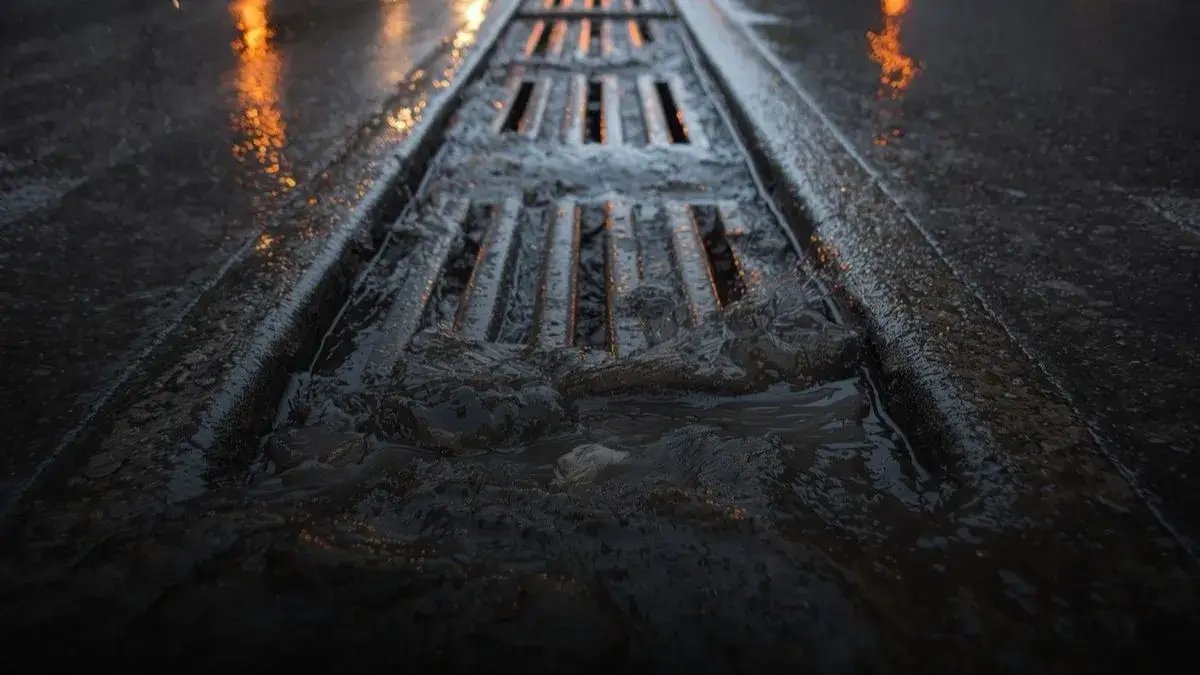
Winter in Australia often brings heavy rainfall, strong winds, and falling debris — the perfect recipe for Blocked Stormwater Drains. When drains are blocked, water has nowhere to go, leading to flooding, property damage, and costly repairs. Knowing how to spot, clear, and prevent blockages during winter can save homeowners and businesses a lot of stress.
This guide explains why stormwater drains block up in winter, what you can safely do yourself, and when it’s best to call a professional.
Why Stormwater Drains Block More Often in Winter
Winter creates ideal conditions for blockages due to:
- Fallen leaves and twigs washing into drains
- Mud and silt buildup from heavy rain
- Roof debris flowing into downpipes
- Tree roots growing into underground pipes
- Rubbish and plastic waste pushed into grates by runoff
Over time, these materials restrict water flow and cause drains to overflow during storms.
Common Signs of Blocked Stormwater Drains
Catching a blockage early can prevent major damage. Watch out for:
- Slow-draining water around outdoor drains
- Pooling water near driveways or gardens
- Gurgling sounds from pipes after rain
- Overflowing grates during heavy showers
- Water backing up near foundations
If these signs appear during winter, action should be taken quickly.
How to Clear Blocked Stormwater Drains Safely
1. Remove Visible Debris
Check stormwater grates and remove leaves, sticks, and rubbish by hand or with a garden tool. Always wear gloves and ensure the area is safe.
2. Flush with a Garden Hose
After clearing surface debris, use a high-pressure garden hose to flush the drain. This can help move minor blockages further down the line.
3. Check Downpipes
Disconnected or clogged downpipes are a common cause of Blocked Stormwater Drains. Ensure they are clear and properly connected to the stormwater system.
4. Use Drain Rods (If Accessible)
For shallow pipes, drain rods can help break up minor obstructions. Avoid forcing them, as this may damage older pipes.
When to Call a Professional Drain Specialist
DIY methods work for small issues, but winter blockages are often deeper and more stubborn. Professional help is recommended when:
- Water continues to back up after clearing
- Blockages keep returning
- Tree roots are suspected
- Underground pipes are damaged or collapsed
A professional Blocked Stormwater Drains Service in Altona can use CCTV inspections and high-pressure water jetting to fully clear the system and identify long-term issues.
For properties in Melbourne’s west, using a reliable Blocked Stormwater Drains Service in Altona ensures local knowledge of soil conditions, council systems, and common drainage problems.
How to Prevent Blocked Stormwater Drains in Winter
Prevention is always cheaper than repair. Consider these steps:
- Clean roof gutters before winter starts
- Install leaf guards on drains and gutters
- Trim overhanging trees near drainage lines
- Schedule annual drain inspections
- Avoid washing garden soil into outdoor drains
Regular maintenance significantly reduces the risk of Blocked Stormwater Drains during heavy rainfall.
Final Thoughts
Winter storms can quickly expose weaknesses in your drainage system. Acting early, keeping drains clear, and knowing when to call professionals can protect your home from flooding and structural damage. If blockages persist, professional drain services are the safest and most effective solution.

How Exercise Physiology Helps People Recover Faster from Injuries

What Locals Love About Kilmore Taxi: A Practical Look at Service Quality

Real Plumbing Advice from a Plumber Sydney You Shouldn’t Ignore

The Science Behind Melbourne’s Unpredictable Climate: What’s Really Going On?

5 Must-Try Halal Restaurants You Can’t Miss in Geelong

Top 3 Halal Restaurants in Ballarat You Must Try
-
 Melbourne10 months ago
The Science Behind Melbourne’s Unpredictable Climate: What’s Really Going On?
-
 Food10 months ago
5 Must-Try Halal Restaurants You Can’t Miss in Geelong
-
 Food10 months ago
Top 3 Halal Restaurants in Ballarat You Must Try
-

 Food4 months ago
Felix Cat Food Review: Is It the Right Choice for Your Cat?
-
 Eco Friendly4 years ago
Plastic-Free Coffee Makers: Myth or Must-Have?
-

 Food10 months ago
Comparing the 4 Best Burger Joints in Werribee
-

 Healthcare4 years ago
7 Top NDIS Providers in Melbourne That’ll Make Life a Whole Lot Easier
-

 Food10 months ago
Best Indian Cuisine in Perth: Top 5 Restaurants You Must Try