
Eco Friendly
Is Storing Rainwater a Smart Move? What You Need to Know

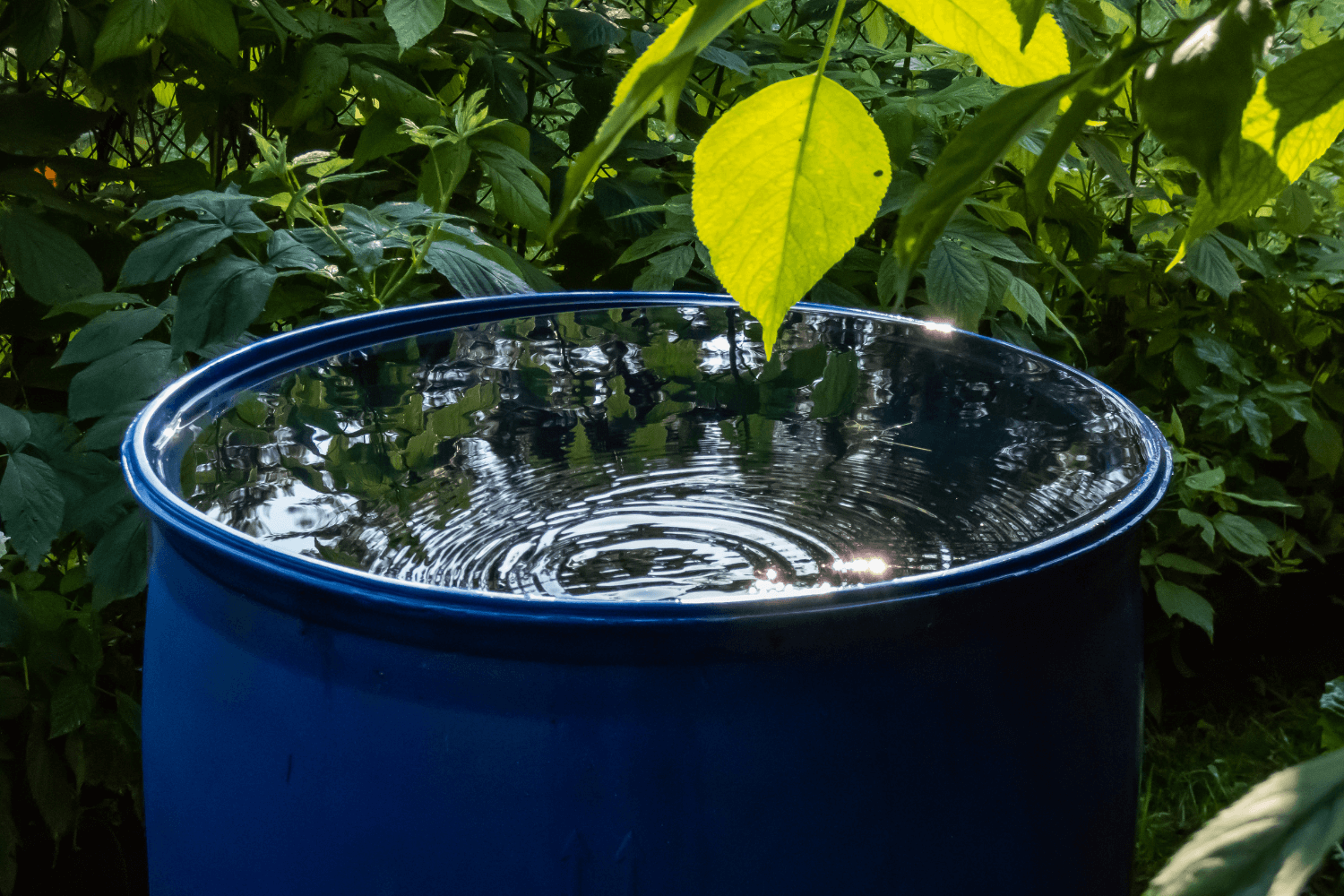
Rainwater tanks used to be something you associated with farms and off-grid properties. These days they are a common sight in Australian suburbs, and for good reason. A tank lets you catch the rain that falls on your roof and use it for the garden, the car or even the toilet, which cuts your water bill and takes pressure off the mains supply. In a country with some of the highest water use per person in the world, and with cities that keep flirting with water restrictions, it makes sense.
But a rainwater tank is not a set-and-forget appliance. There are real questions about safety, water quality and whether the setup will pay for itself. Here is what to weigh up before you buy one.
Why people install rainwater tanks
The main reasons are water conservation, cost and a bit of independence from the mains.
Using rainwater for the garden, the lawn and washing the car saves the treated tap water for the things that really need it, such as drinking and cooking. That matters most during dry spells, when outdoor water use is often the first thing restricted. In cities such as Melbourne, where restrictions have been a regular feature of summer, a tank keeps the garden alive without breaking the rules.
There is an environmental angle too. Catching rainwater reduces demand on the municipal supply and lowers stormwater runoff, which otherwise carries pollutants into local rivers and bays. Every tank is a small buffer between a downpour and the drainage system.
And after the upfront cost, the water itself is free. How much you save depends on the tank size, how much you use outdoors and your local water prices, so the figures vary from house to house.
How safe is stored rainwater?
Rainwater is clean when it falls, but it stops being clean the moment it hits your roof. Dirt, leaves, bird and possum droppings, dust and chemical residue from roofing materials all wash into the tank with the first rain. Bacteria such as E. coli and Legionella can also find their way in, along with heavy metals if you live near busy roads or industrial areas.
That is why the general rule is simple: do not drink untreated rainwater. For watering the garden, washing the car and flushing toilets it is perfectly fine, and that is how most households use it. If you want to drink it, it needs proper treatment, and the Australian Drinking Water Guidelines set out what that involves. Filtration, UV sterilisation, chlorination or boiling can all make stored rainwater safe, but they add cost and maintenance, which is why most people keep the tank for non-drinking uses.
How to store rainwater safely
A tank is only as good as its setup, and a few habits make the difference between a useful water supply and a health risk.
Choose the right tank. Sizes run from small 500 litre tanks up to large ones many times that. Polyethylene, stainless steel and concrete are the common materials, and stainless steel is popular in places with strong sun because it resists UV damage. Whatever you choose, make sure it is opaque, because light encourages algae.
Keep the roof and gutters clean. Debris in the gutters ends up in the tank, so fit leaf guards and a first flush diverter, which sends the first, dirtiest water away from the tank after each rain. A fine mesh screen over the inlet keeps out insects and larger debris.
Filter the water before it enters the tank, and treat it if you plan to use it indoors. Simple mesh filters catch the big stuff, while multi-stage filtration handles finer sediment. For potable use, a UV sterilisation unit, chlorination or ozone treatment adds protection, and boiling remains the simplest fallback.
Maintain the system. Tanks need an annual clean to remove sediment, pipes and fittings need checking for leaks, and water quality is worth monitoring if you use it inside the house. None of this is difficult, but it needs to happen.
Rainwater tanks in Melbourne and Perth
The local climate shapes how useful a tank is. Melbourne averages around 650 mm of rain a year, but it falls unevenly, with dry summers that leave gardens thirsty. A tank there is most valuable for keeping outdoor watering going through the warmer months without pushing up the bill.
Perth gets slightly more, around 730 mm a year on average, but most of it falls in winter, and the summers are long, hot and dry. Tanks there are often sized to capture the winter rain and store it for summer use, which is why larger tanks are common. In both cities, many councils have offered rebates for tank installation as part of water conservation programs, so it is worth checking what is available in your area before you buy.
Is installing a tank worth it?
The pros are clear: less reliance on mains water, a buffer during restrictions, a genuine environmental benefit, possible savings on the water bill and added value to the property.
The cons are just as real. The upfront cost of a tank and installation typically runs from around $1,500 to $5,000 or more, depending on size and system. It needs regular maintenance, it will not make the water drinkable without extra treatment, and in a dry year there may not be enough rain to fill it. A tank is a tool that pays off over time, not an instant saving.
Questions people ask about rainwater tanks
Can you drink rainwater from a tank? Only if it is properly treated. Untreated rainwater is not recommended as a drinking supply under the Australian Drinking Water Guidelines, so most households keep it for outdoor and non-potable uses.
How big a tank do you need? It depends on your roof area, rainfall and how you plan to use the water. A small tank might cover the garden; a larger one can support toilets, laundry and outdoor use through a dry summer.
Do you need council approval? Rules vary between councils, especially for larger tanks or those plumbed into the house. It is worth checking local regulations before you install.
Will a tank save you money? It can, over time, by cutting mains water use for the garden and other outdoor jobs. The saving depends on your usage, rainfall and local water prices, so the payback period varies.
A tank only earns its place with the right setup
Storing rainwater is a sensible move for a lot of Australian households, especially in Melbourne and Perth where water conservation genuinely matters. It saves water, softens the blow of restrictions and gives you a bit of independence from the mains. But the tank is only half the story. It needs a clean roof, decent gutters, a first flush diverter and a filter, and it needs regular maintenance, or it becomes a health hazard instead of a water supply. Set it up properly, use it for the jobs it is good at, and treat the drinking question with the caution it deserves. Do that, and a rainwater tank is one of those quiet home improvements that pays you back every time it rains.
Sources: NHMRC, Australian Drinking Water Guidelines.





The Saturday clean-out
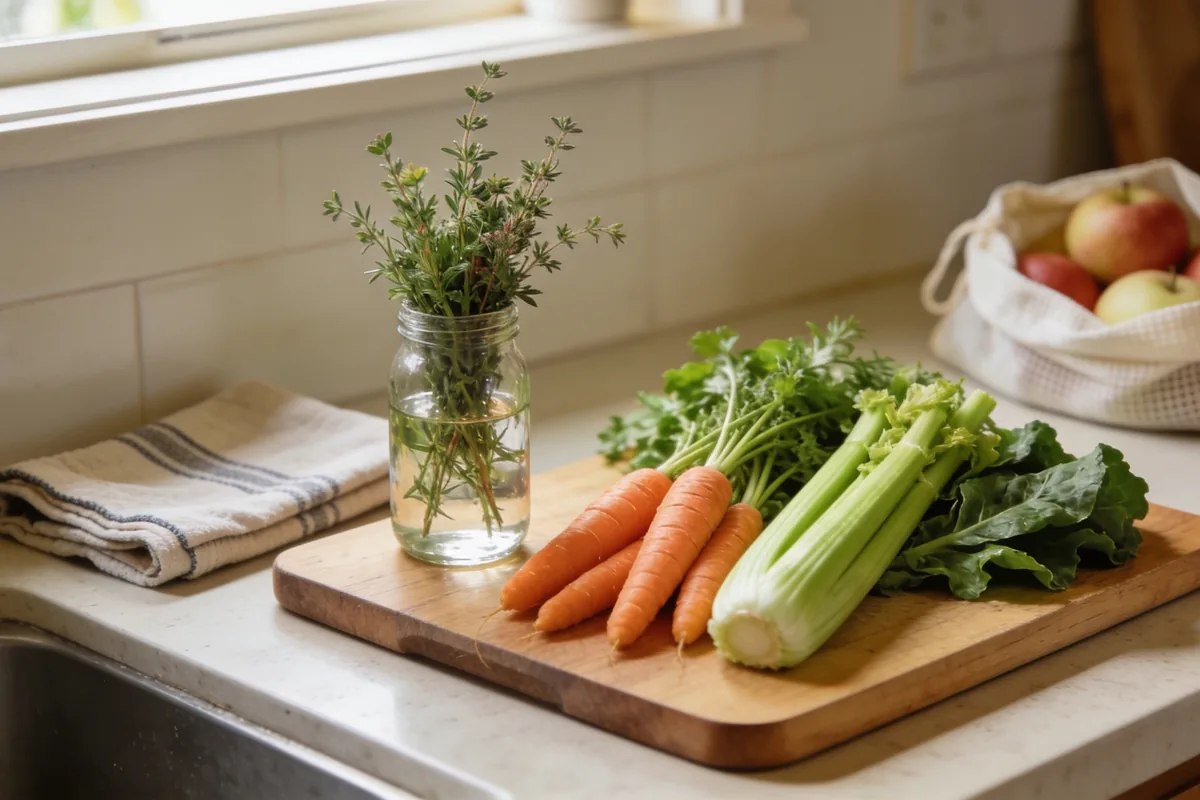
It is the same scene most Saturdays. You open the fridge to make lunch and the bag of spinach has turned to green slime, the half onion has grown a personality, and the bread you bought five days ago could double as a doorstop. There is a small wave of guilt, then the bin, then the same question. Why do I keep doing this?
Stop right there. This is not a discipline problem. It is a storage and planning problem, and it is fixable this week with zero dollars and about ten minutes of attention. This article explains why fresh food dies early in an Australian kitchen and the cheap fixes that keep it alive. No shame, and no lectures about your bin. You will not find a complicated system here, just the causes in plain terms and the fix that goes with each one.
How much we actually throw away
Australia wastes a shocking share of the food it produces. The commonly cited national figure sits around 7.6 million tonnes a year, which is roughly a third of everything grown or made for us to eat, and households are a large slice of that total. Dollar estimates per household range widely, and some families land in the thousands every year, depending on who is counting and how they count it.
For your wallet the simpler point is this. The food you bin is money you already spent, and it leaks out a little every week. It belongs to the same quiet family as the money mistakes that quietly cost you, which I have covered before. Unlike most bills, though, this one shrinks with a few habits rather than a budget.
Why food goes off before you can use it
Blame the usual suspects rather than yourself. Most fresh food does not die because you are lazy. It dies for five reasons, and every one of them has a fix.
A fridge that is warmer than it should be. Yours should sit between about 1 and 4 degrees, and many run warmer than that, especially when they are packed full or the door seal is tired.
Food stored in the wrong zone. The door is the warmest part of the fridge and the bottom shelf is the coldest, and where you put things decides how long they last.
Trapped moisture. Salad bags sweat, the leaves sit in water, and the rot starts at the bottom before you have opened the bag once.
Ethylene gas. Apples, bananas and tomatoes give off a gas that ripens everything around them. That is good news for a fruit bowl and bad news for the broccoli sitting next to it.
Overbuying. You cannot store food well when you bought twice as much as you will eat, and the crisper fills past the point where air can move around it.
Understand those five and the fixes below stop feeling like random tips.
Store vegetables so they last
Here is the core of it. Seven changes, each with the reason attached.
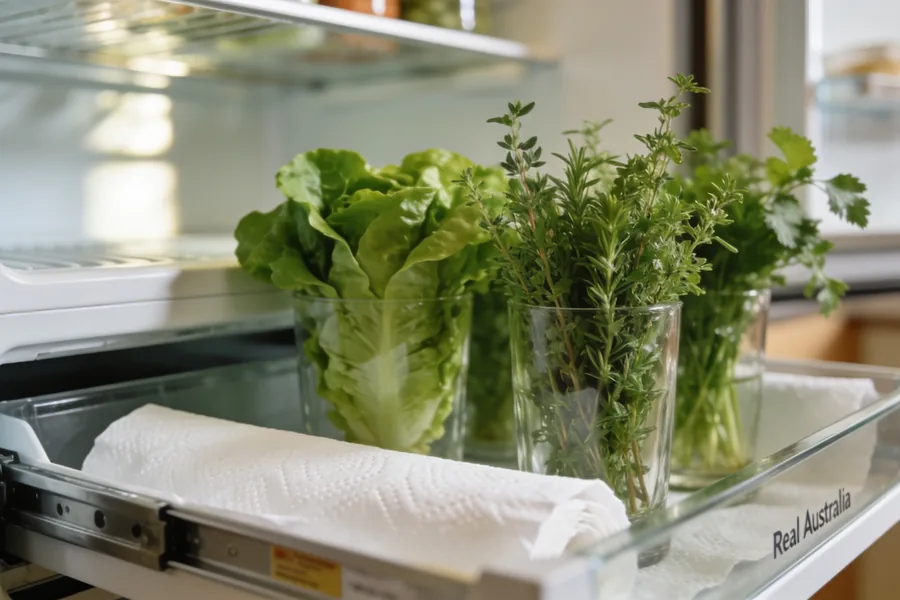
- Set the crisper drawer properly. It has a humidity slider for a reason. High keeps leafy greens and herbs crisp, and low suits fruit. Get this right and the drawer does the work for you.
- Line the salad container with paper towel. It soaks up the moisture that makes leaves rot, and you swap it out when it is wet. That one change keeps a bag of spinach alive for days longer.
- Keep potatoes and onions apart, and keep both away from the fruit bowl. Onions make potatoes sprout, and fruit ripens anything stored near it. Separate corners of the pantry, not the same basket.
- Stand herbs in a glass of water like a bunch of flowers, or wrap them in a damp tea towel in the fridge. Coriander and parsley especially last about twice as long.
- Revive limp celery, carrots and asparagus in a jar of cold water for an hour. They crisp straight back up. It is not magic, it is replacing the moisture they lost.
- Freeze things before they turn, not after. Overripe bananas, herbs in oil, leftover sauce and bread going stale all belong in the freezer. Think of the freezer as a pause button rather than a last resort.
- Keep a list of what you throw away for one week. It sounds tedious, but a single honest list shows you exactly which items you overbuy, and those are the ones you can actually fix.
Know your fridge zones
Think of the fridge as a set of zones running from warm to cold.
The door is the warmest spot. It is fine for condiments, jam and juice, but not for milk or eggs, which is exactly where most people put them. The bottom shelf is the coldest, so meat, fish and dairy live there. The middle shelves hold leftovers and anything ready to eat. The crisper, as covered above, is for produce.
Then add one simple rule on top: first in, first out. New things go to the back and older things come to the front, so you reach for whatever will turn first. If you adopt a single rule from this article, make it that one. The same habit works in the pantry with tins and jars, not just in the fridge.
And if you want the habit that beats them all, give yourself a use-it-up shelf. Take one shelf in the fridge or the pantry and decide that everything on it gets eaten before the next shop. It sounds too small to matter. It saves more food than any fancy container you can buy.
Read the dates, then trust your nose
Here is the label secret most people never learn.
Best-before is a quality guide, not a safety switch. It tells you when the food is at its peak, and after that date the food is still safe to eat if it looks, smells and tastes fine. Use-by is the safety line. Once that date passes, do not risk it, particularly with meat and dairy.
Most items can outlive a best-before date without any trouble. Eggs are the common exception to treat carefully, and the official food safety guidance is the place to check the current advice. Yoghurt is the classic example. A week past its best-before with no mould and a normal smell is almost always fine. A surprising amount of perfectly good food reaches the bin because people confuse the two labels.
The sniff test is not reckless. Your nose evolved to spot food that has turned, and for most items it is a more reliable guide than a printed date.
Shop to what you will eat
The waste battle is mostly won in the shop, not the kitchen.
Write the list from a quick pantry check so you do not come home with a second jar of something you already have. Buy loose where you can, so you take three carrots instead of a bag of nine. And plan two or three meals for the week rather than a fantasy menu that assumes you will cook something ambitious every single night.
Smaller, more frequent shops beat one giant weekly shop for fresh food, because you are not trying to keep five days of spinach alive in a crisper that was never that cold. When vegetables do need using, cook around them. The one-pot dinner habit is built for exactly this, and my guide to easy winter dinners that cut down the washing-up is where leftover vegetables go to be useful. A list written from what you already have is the cheapest meal plan you will ever make.
Start a scraps habit
Not everything has to be eaten to avoid the bin.
A countertop scrap bowl can feed a compost bin or a worm farm, and a bag in the freezer can hold vegetable scraps until you have enough to make stock. Carrot peelings, onion skins, celery ends and herb stalks all count. Boil them for an hour and you have free stock and very little waste.
It does not need to be fancy. A takeaway container on the bench works fine. For the wrapping and storage side of keeping food fresh without single-use plastic, the eco-friendly food wrapping guide is the companion piece to this one.
Start with one shelf
Here is the honest part. You do not need all of these at once.
Pick one change. The use-it-up shelf, the paper towel in the salad container, or the crisper drawer set to the right humidity. Start there this week and let it become the habit the other changes hang off. That is the whole method: one change, repeated until it is automatic, then the next.
The guilt at the Saturday clean-out is wasted energy. The food was never going to save itself. It needed a colder shelf, a drier bag or a plan made on Sunday. Give it those and you will throw away less, spend less and eat better, without turning into the kind of person who lectures other people about their bin.
Sources:
- End Food Waste Australia – national food waste research
- Planet Ark – fridge and food storage guidance
- Love Food Hate Waste (state environment programs) – date labels and meal planning

Plastic wrap is one of those habits nobody thinks about until they stop and look at the drawer full of crumpled film. We use it for half a sandwich, throw it out and repeat, day after day. The same goes for foil and the shiny coated papers that line bakery boxes. Swap those for something reusable or compostable and you cut a surprising amount of waste without changing your routine much.
Here is the honest rundown of the alternatives, what they are good for and what to watch out for.
What is wrong with the usual options
Plastic wrap and plastic coated papers are convenient, which is why they took over. The problem is what happens after they leave your kitchen.
Plastic wrap is made to be thrown away. It is used once, rarely recycled and ends up in landfill, where it lasts a very long time. Cling film is the same story, and most of it cannot go in the kerbside recycling bin.
Aluminium foil is a little more complicated. Clean foil can be recycled, but foil that is covered in food usually cannot, so most of it still ends up in landfill. Making foil is also energy intensive. It is not the worst option you own, but it is not the green hero it is sometimes made out to be.
The point is not to shame anyone for using these. It is to show that better options exist and are easier to switch to than you might think.
Beeswax wraps
Beeswax wraps are cotton cloth coated with beeswax, tree resin and jojoba oil. They are the closest thing to a reusable version of plastic wrap, and they are popular for good reason.
What they are good for:
- Wrapping sandwiches, fruit, vegetables and cheese.
- Covering bowls and jars in place of cling film.
- Lasting up to a year or more with reasonable care, then breaking down when you finally retire them.
To look after them, wash in cold water with mild soap and let them air dry. Keep them away from heat, because warm water or a hot dish will melt the wax. They are not ideal for raw meat, where you want something you can wash properly or throw away.
Compostable papers
Compostable food wrapping is made from plant based materials such as sugarcane, hemp or bamboo. It is designed to break down in a compost system rather than sit in landfill.
What they are good for:
- Takeaway food and bakery items where you want something disposable but kinder than plastic.
- Lining bins or wrapping messy food that would ruin a reusable wrap.
- Cutting down single-use waste when you are out and about.
Look for certification from a recognised compostability scheme so you know the paper will actually break down as promised. Check whether your local council or home compost can handle it, because some compostable materials need commercial facilities.
Recycled parchment paper
Recycled parchment paper is a solid everyday choice. It is made from post-consumer recycled paper and is usually chlorine free, which means fewer harsh chemicals than some traditional papers.
What they are good for:
- Baking and lining trays, exactly like regular baking paper.
- Wrapping sandwiches and baked goods.
- Giving you a non-stick surface that you can feel better about using.
It is not reusable in the way beeswax wraps are, but it is a greener option for the times you genuinely need a throwaway sheet.
Natural wax-coated paper
Natural wax-coated paper is paper finished with a food-safe wax such as soy or plant-based wax instead of plastic.
What they are good for:
- Wrapping baked goods, fruit and sandwiches.
- Quick snacks where you want something that biodegrades after use.
- A plastic-free takeaway option when the shop offers it.
It is biodegradable and compostable in the right conditions, though it does not last as long as a beeswax wrap. Think of it as a smarter single-use option rather than a replacement for reusables.
Making the switch stick
You do not need to replace everything at once. A few small changes get most of the benefit:
- Keep a stash of beeswax wraps for the everyday sandwich and bowl covering.
- Ask for compostable wrapping when you order takeaway, and support the places already using it.
- Use recycled parchment paper for baking instead of reaching for the foil.
- Store leftovers in glass containers, which last for years and keep food safer than plastic.
- Save the foil for the rare times nothing else will do, and clean it if you want it recycled.
Questions about switching your food wrapping
How eco-friendly are beeswax wraps? They are cotton coated in beeswax, tree resin and jojoba oil. They are reusable for about a year and break down at the end, which is a long way from single-use plastic.
Can compostable wrapping go in a home compost bin? Some can and some need a commercial facility, so check the certification and your local composting setup before you assume it will break down.
How do you clean beeswax wraps? Wash them in cold water with mild soap and let them air dry. Hot water or a warm dishwasher will melt the wax.
Are natural wax-coated papers as good as beeswax wraps? They are biodegradable and convenient, but they do not last as long. Treat them as a smarter single-use choice rather than a replacement for reusables.
Is recycled parchment paper safe for baking? Yes. It works like ordinary baking paper and is a reasonable pick when you genuinely need a throwaway sheet.
One swap at a time
Food wrapping will never be the most exciting part of a sustainable kitchen, but it is one of the easiest to change. You are not being asked to live without convenience. You are swapping a single-use habit for something that either gets reused or breaks down properly. Start with the wrap you reach for most, and let the rest follow when the first swap starts to feel normal.
Sources: Wikipedia, parchment paper; Wikipedia, beeswax.


There comes a morning when you are standing in the kitchen waiting for your coffee and you actually look at the machine. The one you have had for years, the one with the plastic water tank and the plastic basket and the little plastic spout that has gone slightly cloudy. You wonder how much of that has been touching your hot water, and whether the whole thing is worth replacing with something made of glass and steel.
That is the moment the plastic free coffee maker question stops being an abstract eco topic and becomes a decision about your own bench. The good news is that the choice is simpler than the marketing makes it sound.
The myths, cleared up
Three worries come up every time this topic is discussed, and two of them are mostly not true.
The first is price. Plastic free coffee makers are not all expensive. A French press in glass or steel can cost less than a basic plastic drip machine, and it will probably outlast three of them. It is true that the top end of the market, siphon makers and commercial style stainless machines, costs real money. But there is a plastic free option at nearly every budget, you just have to know which style you are buying.
The second is that they do not brew as well. This one is backwards if anything. Glass and steel do not add flavour to your coffee, which is exactly the point. They also hold temperature well and do not stain or hold onto old coffee oils the way plastic can. Most people who switch notice their coffee tastes cleaner, not worse.
The third myth has a grain of truth. Some plastic free makers are fussy to look after, glass in particular. But most are actually easier. Steel and glass rinse clean, resist smells, and go in the dishwasher. The styles that need care, like a siphon or a delicate pour over, are the ones you chose for the ritual anyway, and the care comes with the territory.
What the main styles actually are
Rather than a list of brands you have to take on faith, it helps to know the styles, because the style decides the price, the effort and the flavour. Here is how the common plastic free options stack up for a normal household.
Pour over makers
These are the glass carafes with a wooden or leather collar, the Chemex style being the best known. You pour hot water over ground coffee in a paper filter and let it drip through. The coffee is clean and bright, and the brewer looks good enough to leave on the bench.
The trade offs: it needs paper filters, so you are swapping a plastic machine for a consumable, unless you buy a reusable cloth or metal filter. And it makes one cup at a time, which is fine until you have guests. It suits people who enjoy the slow ritual of making coffee and do not need speed.
French presses
A French press is a cylinder with a plunger, in glass or double walled steel. You steep the grounds, press, and pour. It is the most forgiving plastic free option, cheap, hard to break in the steel version, and easy to clean. The coffee is full bodied because the grounds stay in the cup rather than being filtered out.
The trade offs: you get a little sediment in the bottom of the cup, and the coffee keeps brewing if you leave it sitting on the grounds. For one or two people who like a strong cup, it is hard to beat for the money.
Siphon makers
A siphon, sometimes called a vacuum pot, brews coffee using vapour pressure and looks like a science experiment while it does it. Glass and steel throughout, and genuinely impressive when you have people over.
The trade offs: it is the most expensive and the fiddliest. There is a learning curve, it takes longer, and the glass parts need careful handling. This is a hobby purchase, not a daily workhorse.
Stainless drip machines
If you want the convenience of a normal drip machine without the plastic, there are commercial style stainless steel models with a large tank that brew pot after pot. These are built for volume and will run for years.
The trade offs: they are the priciest option, they are large, and they are overkill for a single person. They come into their own in an office or a house that goes through several pots a day.
Why people make the switch
The reasons are usually a mix of the practical and the personal.
Durability is the quiet one. Plastic machines have a habit of cracking, clouding or developing a fault in the pump after a few years, and they are rarely worth repairing, so they end up in landfill. A steel or glass maker is built to be kept, which is the most eco friendly thing any appliance can do.
The health angle is where people differ. Plastics can leach tiny amounts of material into hot liquids, and the research on what that means is still developing. Some people would rather not have hot water sitting against plastic at all, and for them a glass or steel brewer is peace of mind, whatever the science settles on. That is a fair reason even if it is not a proven emergency.
And there is the simple waste question. When you buy a maker with no plastic parts, you are not just avoiding the leaching question, you are buying something that will not need replacing every few years.
What to think about before you buy
Work out how you actually drink coffee before you spend money. How many cups a day, and how many people? A pour over for a household of four will drive everyone mad. A twelve cup stainless machine for one person is absurd.
Think about your routine honestly. If you need coffee before you are fully human, a fiddly siphon is a mistake no matter how lovely it looks. The same goes for cleaning: if you will not hand wash a fragile carafe, buy the steel French press instead.
And budget for the extras. Some styles need filters, and good coffee beans are the real ongoing cost of any of these. A cheap machine with great beans beats an expensive machine with sad beans every single time.
The best maker is the one you use
The plastic free coffee maker is not a must have, and it is not a myth either. It is a reasonable choice for anyone who wants less plastic in the kitchen and is prepared to pick a style that fits their life. If you love the ritual, a pour over or siphon will make you happy every morning. If you just want a decent cup without fuss, a steel French press will quietly do the job for a decade. Do not buy the one that looks best on Instagram, buy the one you will still be using in six months, and let that be your only rule.

One Car or Two? Working Out How to Move a Group Without the Shuffle

Bridging Visas: What You Are On While You Wait, and What It Actually Lets You Do

Your NDIS Plan Reassessment: What Happens, and What to Have Ready

The Science Behind Melbourne’s Unpredictable Climate: What’s Really Going On?
Plastic-Free Coffee Makers: Myth or Must-Have?

Zero Waste Toothpaste: What’s Worth the Switch and What to Look For
-
 Melbourne1 year ago
The Science Behind Melbourne’s Unpredictable Climate: What’s Really Going On?
-
Eco Friendly4 years ago
Plastic-Free Coffee Makers: Myth or Must-Have?
-
Eco Friendly4 years ago
Zero Waste Toothpaste: What’s Worth the Switch and What to Look For
-

 Automotive1 year ago
Wet Weather Tyres in Australia: What to Look For and When to Replace Them
-
 Eco Friendly4 years ago
Plastic Free Packaging: How to Keep Your Business Plastic Free
-
 Eco Friendly4 years ago
How Aussie Businesses Can Reduce Plastic Pollution
-
 Home & Garden1 year ago
Boost Productivity and Mood with a Deep Cleaned Space
-

 Financial1 year ago
How to Secure the Best Car Finance Deal: Tips for Negotiating and Saving Money