
General
The Ultimate Guide to Cleaning Kids’ Toys: Safe, Simple, and Effective Methods


As parents, we all want our kids to play safely with their toys, but keeping those toys clean can sometimes feel like a never-ending task. Whether it’s because of food messes, outdoor play, or the occasional spill, kids’ toys can quickly accumulate germs, dirt, and grime. But cleaning toys isn’t as simple as just giving them a quick wipe-down. Many common mistakes can end up damaging your child’s toys or leaving harmful chemicals behind, posing a risk to their health. So, how do you clean toys safely and effectively?
In this ultimate guide, we’ll walk you through common cleaning mistakes, the risks of not properly cleaning toys, and how to keep things safe and simple for your little ones. From soft toys to electronic gadgets, we’ve got you covered with tips and tricks to make toy cleaning hassle-free!
Common Mistakes Parents Make When Cleaning Toys
- Using Harsh Chemicals
It’s tempting to reach for heavy-duty cleaning products to get rid of germs, but many of these can be harmful to your child’s health, especially if residue is left behind on toys.
- Why It’s a Mistake: Harsh chemicals like bleach or ammonia can cause allergic reactions, skin irritation, or respiratory issues, particularly in children with sensitive skin or asthma.
- Better Option: Stick to non-toxic, eco-friendly cleaning products. Look for cleaning agents that are labelled as “baby-safe” or “child-safe” to ensure there are no harmful residues left behind.
Tip: Vinegar and water (1:1 ratio) is a great, natural alternative for disinfecting toys. It’s effective, cheap, and safe for your little ones!
- Not Properly Drying Toys After Cleaning
One of the most common mistakes is not drying toys thoroughly after cleaning. Wet toys can lead to all kinds of issues.
- Why It’s a Mistake: If toys aren’t dried properly, moisture can build up, leading to the growth of mould, especially on plush toys and rubber-based products.
- Better Option: After cleaning, make sure you thoroughly dry toys with a towel or allow them to air dry in a well-ventilated area.
Tip: For soft toys, consider using the dryer on a low heat or air-drying them under direct sunlight (UV rays naturally help kill germs).
- Mixing Cleaning Agents
Another mistake is mixing different cleaning products in an attempt to create a “super cleaner.” However, this can be dangerous.
- Why It’s a Mistake: Mixing products like bleach with ammonia or vinegar can create toxic fumes that are harmful to both you and your child.
- Better Option: Stick to one cleaning product at a time, and always read labels for safe usage instructions. For example, if you’re using a disinfectant, make sure it’s safe for the type of toy you’re cleaning.
Tip: When in doubt, use natural cleaners like baking soda or lemon juice for a gentler approach.
- Using Excessive Water on Battery-Operated or Electronic Toys
When cleaning electronic or battery-operated toys, it’s crucial to avoid water getting into sensitive components.
- Why It’s a Mistake: Water and electronics don’t mix. Moisture can damage the internal circuits or cause rusting, rendering the toy useless.
- Better Option: Wipe down electronic toys with a damp cloth (not soaked) and avoid submerging them in water. For tough spots, use cotton swabs to clean small crevices.
Tip: For waterproof toys, make sure they’re sealed properly before rinsing or using a damp cloth.
- Not Following the Manufacturer’s Instructions
Many toys come with cleaning instructions, but we often skip them, thinking we know better. Ignoring these guidelines can lead to damaged toys.
- Why It’s a Mistake: Some toys, particularly plush or delicate ones, have specific cleaning requirements (e.g., hand wash only). Not following these can cause the material to break down or lose shape.
- Better Option: Always check the care label or packaging for cleaning instructions before starting. This ensures you’re using the right method for the toy’s material.
Tip: If the care instructions aren’t clear, it’s safer to spot clean or hand wash rather than machine wash.
The Risks of Not Properly Cleaning Toys
If you think that a quick wipe-down is enough, think again! Failing to clean toys thoroughly can lead to serious consequences, not just for the toy itself but for your child’s health.
- Mould Growth on Soft Toys
Soft toys and stuffed animals are particularly susceptible to mould if they aren’t dried properly after cleaning. The excess moisture trapped inside can create the perfect environment for mould to grow.
- The Risk: Mould spores can cause respiratory issues, skin irritation, and allergic reactions in children, especially those with asthma.
- How to Avoid It: Dry soft toys thoroughly and ensure they’re completely dry before allowing your child to play with them. If you spot any mould, discard the toy immediately or use a mould removal solution that’s safe for children.
- Bacteria Build-Up on Plastic Toys
Plastic toys are often handled by multiple children, which makes them a breeding ground for bacteria, especially in high-contact areas like handles and buttons.
- The Risk: Bacteria such as E. coli and salmonella can build up on toys, leading to gastrointestinal infections or skin infections if your child comes into contact with it.
- How to Avoid It: Clean plastic toys regularly with a disinfectant that is safe for children. Be sure to wipe down high-contact areas like the steering wheels of toy cars, toy guns, and other frequently touched parts.
- Damage to Toys from Harsh Cleaning Methods
Cleaning toys the wrong way can cause permanent damage to their structure or appearance. Whether it’s scratched paint, broken parts, or discolouration, harsh cleaning methods can ruin your child’s toys.
- The Risk: Some toys can lose their charm, functionality, or even safety features after improper cleaning (such as loss of grip or broken parts).
- How to Avoid It: Follow the cleaning instructions carefully. For example, avoid using abrasives on painted plastic toys or submerging fabric toys in too much water.
How Often Should You Clean Kids’ Toys?
The frequency of cleaning depends on your child’s age, how often they use the toys, and the material of the toys themselves. Here’s a general guide:
- Newborns and Babies (0-1 Year)
- Frequency: Clean toys at least once a day, especially those that go in the baby’s mouth.
- Reason: Babies put everything in their mouths, making their toys a haven for germs and bacteria.
- Focus Areas: Rattles, teethers, and soft toys.
- Toddlers (1-3 Years)
- Frequency: Clean toys once or twice a week, depending on usage.
- Reason: Toddlers are still prone to putting things in their mouths, and they play actively with toys.
- Focus Areas: Toys with small parts, building blocks, and outdoor toys.
- Older Kids (3+ Years)
- Frequency: Clean toys once a week or as needed.
- Reason: Older children have better hygiene habits, but their toys still need to be cleaned regularly, especially those that are shared with siblings or friends.
- Focus Areas: Board games, dolls, action figures, and toy vehicles.
How to Properly Clean Electronic or Battery-Operated Toys
Electronic toys can be tricky to clean because of the risk of damaging their internal components. Here’s how to clean them without causing any damage:
- Turn Off the Toy
Before cleaning, always turn off the toy or remove the batteries to avoid damaging the electronics.
- Use a Damp Cloth
For the outer surfaces, use a damp cloth (not wet!) to wipe down the toy. Focus on areas that are frequently touched, such as buttons or the handle.
- Avoid Submerging in Water
Never submerge electronic toys in water or place them directly under a faucet. The water can seep into the internal components, causing electrical damage.
- Disinfecting the Surface
For added sanitation, use a child-safe disinfectant wipe on the surface of the toy. Make sure it’s gentle enough for kids.
- Cleaning Small Crevices
Use a cotton swab to clean tight spaces or crevices where dust and grime tend to accumulate. Make sure the cotton swab is slightly damp—not wet—so it doesn’t seep into the toy.
Conclusion: Keep Your Kids’ Toys Clean and Safe with These Easy Tips
Cleaning kids’ toys doesn’t have to be a complicated or time-consuming task. By avoiding common cleaning mistakes, understanding the risks, and using the right methods, you can ensure your child’s toys stay clean, safe, and in top condition. Regular cleaning will help protect your little one from germs and allergens while extending the life of their beloved toys.
Whether you’re washing plush toys, wiping down plastic playthings, or cleaning electronic gadgets, always use gentle and safe products, follow the proper techniques, and don’t forget to dry everything thoroughly. Your child’s health and safety are worth the extra effort!
FAQs
Q1: How often should I clean baby toys?
For newborns and babies, clean toys daily, especially those that go into their mouths. For toddlers, aim for at least once or twice a week.
Q2: What’s the best way to disinfect toys?
Use a vinegar-water solution (1:1) or child-safe disinfectant wipes to clean and disinfect toys. Always ensure the disinfectant is safe for kids.
Q3: Can I use bleach to clean toys?
While bleach is effective for disinfecting, it’s harsh and can leave harmful residues. Opt for gentler, non-toxic alternatives like vinegar or eco-friendly cleaners.
Q4: How do I clean electronic toys without damaging them?
Always turn off the toy before cleaning, use a damp cloth, and avoid submerging it in water. Use cotton swabs for small crevices.
Q5: How do I clean soft toys without ruining them?
Check the care label. If machine washable, wash them in cold water. For hand-wash only, spot clean with a damp cloth and mild detergent.
General
The Finishing Touch That Defines Your Space: Choosing the Right Cabinet Hardware in Melbourne

Small Details, Big Impact
Most people renovating a kitchen or bathroom spend months debating benchtops, cabinetry colours, and tile grout, then make a split-second decision on the handles. That’s a mistake. Cabinet hardware is the jewellery of a room. It’s the first thing fingers touch and one of the last things eyes land on. Get it right, and everything clicks. Get it wrong, and even the most expensive cabinetry can look off.
Melbourne homeowners are increasingly treating hardware as a deliberate design choice rather than an afterthought, and the results speak for themselves.
Why Hardware Sets the Tone for the Whole Room
Cabinet hardware carries the visual weight of a space in a surprisingly powerful way. A sleek, elongated bar handle in brushed nickel signals modern minimalism. A cup pull in aged brass whispers heritage warmth. Ceramic knobs with hand-painted detail bring a relaxed, artisan feel. The finish and form of hardware communicate a design language before any other element gets a chance to.
For anyone sourcing Cabinet Hardware Supplies Melbourne, the range available locally is exceptional, from European-imported lever handles to locally crafted artisan knobs. The key is knowing what aesthetic you’re working towards before walking into a showroom or browsing online.
Understanding the Main Hardware Categories
Cabinet hardware isn’t just handles and knobs. The category is broader than most people realise, and choosing the right type for each application matters.
- Knobs — compact, decorative, and ideal for smaller drawers or doors where minimal projection is preferred
- Bar handles / D-pulls — sleek and ergonomic, popular in contemporary and Scandi-style kitchens
- Cup pulls / bin pulls — a vintage-leaning option, well-suited to shaker cabinetry and timber finishes
- Edge pulls — discreet and flush-mounted, perfect for handleless or ultra-modern cabinetry
- Hinges — both functional and aesthetic; soft-close concealed hinges are now standard, but decorative exposed hinges add character to painted cabinetry
- Drawer runners and slides — often overlooked, but critical to long-term function and daily usability
Selecting across these categories thoughtfully ensures both the look and the function hold up over time.
Matching Hardware to Your Interior Style
Design coherence depends on hardware matching the broader visual language of a space. Here’s a general guide:
- Contemporary/minimalist — brushed nickel, matte black, or chrome bar handles with clean lines
- Hamptons or coastal – polished chrome, white ceramic, or brass with soft curves
- Industrial — raw iron, gunmetal, or blackened steel with angular profiles
- Farmhouse or country — oil-rubbed bronze, antique brass, or wrought iron with a worn patina
- Scandi / Japandi — natural timber pulls, matte finishes, and simple geometric forms
Sourcing from a reputable range of Cabinet Hardware Supplies Melbourne means access to all of these styles under one roof or through a single supplier, which makes coordinating finishes across rooms far easier than piecing together handles from multiple sources.
Getting the Sizing Right
Even the most beautiful hardware can look wrong if the sizing is off. A 96mm bar handle on a wide pantry door looks undersized. A large cup pulled on a narrow spice drawer looks clumsy. Proportions matter.
- For standard drawers (up to 450mm wide), a 96–128mm handle is typically appropriate
- For wide drawers (600mm+), consider a 160–256mm bar handle
- For tall cabinetry doors, longer vertical pulls (300mm+) balance the vertical run of the door
- Knobs generally work best on doors rather than drawers, where grip during heavy use is less critical
Test by holding a handle against the cabinet door before committing. It’s a step that takes thirty seconds and saves a lot of regret.
Where Quality and Variety Come Together
Not all hardware is made equal. The difference between a quality piece and a budget import often comes down to the weight of the metal, the quality of the plating process, and how precisely the mounting holes are drilled. Cheap hardware tarnishes, loosens, and chips, often within the first year of daily use.
Reliable Cabinet Hardware Supplies Melbourne providers stock hardware that meets Australian building and safety standards, with options across a range of price points, from accessible everyday ranges to premium European collections. When comparing suppliers, look for those who carry full collections (so finishes match across knobs, handles, and hinges) and who can offer samples before bulk ordering.
Practical Tips Before You Buy
A few things worth checking before making a final purchase:
- Measure the hole spacing first — most handles use 96mm or 128mm centre-to-centre spacing, but not all; confirm before ordering
- Order extras — hardware gets damaged during installation; having spares avoids a frustrating mismatch if a replacement is needed later
- Check the finish durability — PVD-coated finishes last significantly longer than standard electroplated options, especially near sinks and stovetops
- Mix with intention — mixing metals (e.g., brass handles with black tapware) can look intentional and curated when done consistently, but inconsistent mixing reads as unfinished
- Consider the weight of the piece — heavier hardware generally signals better construction and feels more satisfying to use daily
Taking time at the planning stage pays off. Hardware is one of the easiest and most cost-effective ways to lift the quality perception of any cabinetry, but only when chosen with care.

Road construction, infrastructure upgrades, and large public events are a common part of growing cities. While most people only notice the visible changes, detours, barriers, and traffic signs, there is a significant amount of planning happening behind the scenes. The goal is to ensure that vehicles, pedestrians, and workers remain safe even when normal traffic flow is disrupted. This is where Traffic Management Darwin services play an essential role in maintaining order and safety on busy roads.
From construction zones to festivals and sporting events, traffic management teams help control vehicle movement, reduce accident risks, and ensure that projects and public gatherings operate smoothly. Without proper planning and coordination, even small disruptions could create major congestion or safety hazards.
How Traffic Management Supports Safer Roads
In cities experiencing growth and development, Traffic Management Darwin professionals help coordinate safe vehicle flow whenever road conditions change. Construction work, road maintenance, and utility installations often require temporary lane closures or diversions. Traffic management teams design plans that guide drivers safely through these changes.
These plans are carefully structured to minimise confusion and maintain smooth traffic movement. Clear signage, barriers, and trained personnel help drivers understand where to go and how to navigate altered routes.
Key benefits of effective traffic management include:
- Reduced risk of accidents around work zones
- Improved safety for construction crews and pedestrians
- Clear communication for drivers approaching restricted areas
- Better traffic flow during roadworks or events
By carefully directing vehicles and pedestrians, traffic management helps prevent chaos when normal road conditions are temporarily changed.
Planning Before Work Even Begins
Traffic management does not start once cones and barriers are placed on the road. The process begins long before any project or event takes place. Specialists conduct detailed planning to understand the traffic conditions, road layout, and potential risks involved.
Before work begins, planners evaluate factors such as traffic volume, peak travel hours, nearby intersections, and pedestrian pathways. This analysis helps determine the safest way to redirect vehicles and maintain accessibility.
Some key planning steps include:
- Assessing the surrounding road network
- Identifying potential traffic congestion points
- Designing safe detour routes
- Preparing signage and road markings
- Coordinating with local authorities if required
This careful preparation ensures that once a project begins, drivers encounter clear guidance rather than confusion.
Managing Traffic During Road Construction
Road construction projects often require changes to normal traffic patterns. Lanes may be closed, speed limits reduced, or vehicles redirected to alternative routes.
Traffic controllers play a crucial role in these situations by guiding drivers through work zones safely. Their presence helps ensure that vehicles move steadily while protecting workers who are operating equipment or performing repairs.
During construction activities, traffic management typically includes:
- Installation of safety barriers and cones
- Temporary speed limit adjustments
- Directional signage for detours
- On-site traffic controllers for vehicle guidance
These measures help reduce the likelihood of accidents while maintaining a manageable flow of traffic.
Supporting Public Events and Large Gatherings
Traffic management is equally important during community events such as festivals, parades, and sporting competitions. These gatherings can attract large crowds, which increases vehicle and pedestrian movement in specific areas.
In the middle of these situations, Traffic Management Darwin services help ensure that both visitors and local residents can move around safely. Temporary road closures, designated parking zones, and pedestrian pathways are often implemented to prevent congestion.
Effective traffic coordination during events provides several advantages:
- Safer access for emergency vehicles if required
- Reduced congestion in surrounding areas
- Clear pedestrian routes for large crowds
- Better organisation of parking and entry points
Without proper traffic planning, events could quickly lead to heavy congestion or safety risks.
The Role of Trained Traffic Controllers
Traffic controllers are the visible face of traffic management operations. These trained professionals stand at critical points near work zones or event locations to guide drivers and ensure compliance with temporary road changes.
Their responsibilities often include monitoring traffic flow, directing vehicles through restricted areas, and responding to unexpected situations. Clear communication between controllers and drivers helps maintain order in areas where normal traffic rules are temporarily adjusted.
Because these roles involve managing moving vehicles and public safety, traffic controllers must follow strict safety procedures and training standards.
Technology and Equipment Used in Traffic Management
Modern traffic management relies on more than cones and signs. Various tools and technologies help ensure that traffic control measures are effective and visible to drivers.
Equipment used in traffic management often includes:
- Reflective road signs and digital message boards
- Temporary traffic lights for controlled intersections
- High-visibility safety barriers
- Portable lighting systems for night work
These tools help drivers understand road changes quickly and react safely when approaching work zones or event areas.
Long-Term Benefits of Professional Traffic Planning
While traffic management may appear temporary, its benefits extend beyond individual projects or events. Proper planning helps protect workers, drivers, and pedestrians while maintaining efficiency across the road network.
Long-term advantages include:
- Safer environments around construction projects
- Reduced disruption for daily commuters
- Improved coordination during major community events
- Better compliance with road safety regulations
When traffic is managed effectively, both infrastructure projects and public activities can take place without creating unnecessary hazards or delays.
Conclusion
Behind every road project and large public event lies a carefully organised system designed to keep people safe and traffic moving. Traffic management professionals plan routes, install safety measures, and guide vehicles to prevent confusion and accidents.
With the help of Traffic Management Darwin services, construction work and community events can operate smoothly while protecting drivers, workers, and pedestrians. Although much of this work happens behind the scenes, it plays a critical role in maintaining safe and efficient road environments.
FAQs
1. What is traffic management?
Traffic management involves planning and controlling vehicle and pedestrian movement during roadworks, construction projects, or public events.
2. Why is traffic management important during construction?
It helps protect workers, guide drivers safely through altered routes, and reduce the risk of accidents in work zones.
3. Who is responsible for directing vehicles at work sites?
Trained traffic controllers are responsible for directing vehicles and ensuring drivers follow temporary road instructions.
4. How does traffic management support public events?
It helps organise road closures, manage parking areas, and guide both vehicles and pedestrians safely during large gatherings.
5. What equipment is commonly used in traffic management?
Common equipment includes safety cones, barriers, reflective signs, portable traffic lights, and electronic message boards.
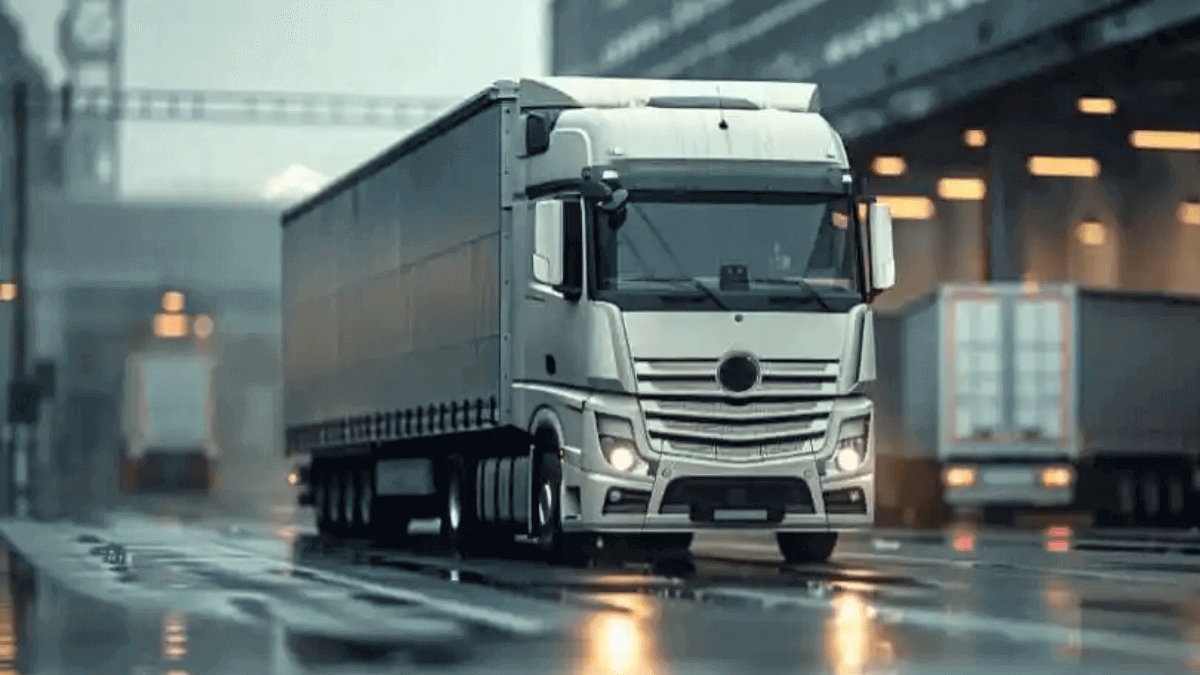
Expanding a transport or logistics business often requires adding new vehicles to the fleet. Whether it’s for handling higher delivery demand, improving operational efficiency, or replacing aging vehicles, purchasing a truck is a significant investment. For many business owners, Truck Finance Sunshine Coast solutions provide a practical way to secure the right vehicle without placing too much pressure on cash flow.
However, financing a truck involves more than simply choosing a vehicle and signing paperwork. Understanding the financial structure, loan options, and operational considerations can help business owners make confident decisions when expanding their fleet.
Understanding How Truck Finance Works
Before committing to a vehicle purchase, it is important to understand how Truck Finance Sunshine Coast options typically work. Truck financing allows businesses to acquire commercial vehicles by spreading the cost over a fixed period rather than paying the entire amount upfront.
This approach enables companies to keep working capital available for daily operations while still investing in the equipment needed to grow the business.
Most truck finance arrangements involve structured repayments over a set term, with interest applied based on the lender’s conditions. These agreements can vary depending on the business’s financial profile, the type of truck being purchased, and the intended use of the vehicle.
Key advantages of truck financing often include:
- Preserving business cash flow
- Access to newer or higher-quality vehicles
- Flexible repayment structures
- Potential tax advantages depending on the business structure
Understanding these factors helps business owners evaluate whether financing is the right approach for their fleet expansion.
Choosing the Right Truck for Business Needs
Selecting the right vehicle is one of the most important steps in expanding a fleet. Trucks come in a wide range of configurations, and choosing the wrong one can lead to unnecessary costs or operational challenges. When evaluating truck options, several factors should be considered.
Vehicle Size and Capacity
The type of cargo transported plays a major role in selecting a truck. Some businesses require light-duty vehicles for smaller deliveries, while others depend on heavy-duty trucks capable of transporting large loads over long distances. Choosing the appropriate size ensures efficiency and helps prevent overloading or underutilising the vehicle.
Fuel Efficiency and Running Costs
Fuel expenses can represent a significant portion of operating costs. Modern trucks often feature improved fuel efficiency, which can reduce long-term expenses. Other running costs to consider include maintenance, insurance, and tyre replacements. Businesses planning fleet expansion should factor these expenses into their financial planning.
New vs Used Trucks
Both new and used trucks can be viable options depending on the budget and business goals.
New trucks generally offer the latest technology, improved reliability, and manufacturer warranties. Used trucks may provide a more affordable entry point, allowing businesses to expand their fleet with lower upfront costs.
A careful inspection and financial analysis help determine which option aligns best with operational requirements.
Evaluating Financing Options Carefully
Once the right vehicle has been identified, the next step involves choosing a suitable financing structure. Truck loans can vary widely depending on the lender and business profile.
Some common financing arrangements include:
- Chattel mortgages
- Commercial hire purchase agreements
- Finance leases
- Equipment loans
Each option has its own repayment terms, ownership conditions, and financial implications. Understanding these differences allows businesses to choose the most suitable arrangement for their circumstances.
In the middle of this decision-making process, many business owners explore Truck Finance Sunshine Coast services to compare flexible repayment plans and funding structures. Careful evaluation helps ensure the financing solution supports long-term business growth.
Preparing Financial Documents
Applying for truck finance usually requires supporting documentation to demonstrate the business’s financial stability and repayment capacity.
Common documents may include:
- Business financial statements
- Tax returns
- Identification details
- Information about the truck being purchased
- Proof of business registration
Providing accurate financial records helps streamline the approval process and increases the likelihood of securing favourable loan terms.
Considering Long-Term Fleet Strategy
Adding a truck to a fleet should always be part of a broader business strategy. Instead of focusing only on immediate needs, business owners should evaluate how the new vehicle will fit into long-term operations.
Questions worth considering include:
- Will the truck support future business growth?
- Can the fleet handle increased workload efficiently?
- Are there opportunities to improve delivery timelines?
- Will the vehicle remain cost-effective over several years?
Strategic planning ensures that fleet expansion contributes to overall productivity rather than creating additional financial pressure.
The Role of Maintenance and Servicing
Even the most reliable trucks require consistent maintenance to operate safely and efficiently. Businesses planning to add new vehicles should establish clear servicing schedules to protect their investment.
Regular maintenance helps:
- Extend the lifespan of the truck
- Prevent unexpected breakdowns
- Improve fuel efficiency
- Maintain road safety standards
By maintaining vehicles properly, businesses can maximise the value of their fleet and reduce long-term repair costs.
Managing Risks in Fleet Expansion
Every business investment carries some level of risk, and truck purchases are no exception. Economic conditions, fuel price fluctuations, and industry demand can all influence profitability.
To manage these risks effectively, businesses should:
- Evaluate total ownership costs before purchasing
- Maintain financial reserves for unexpected expenses
- Ensure trucks are insured and compliant with regulations
- Monitor vehicle performance and operational efficiency
Careful planning allows companies to expand their fleet while maintaining financial stability.
Conclusion
Adding a truck to a fleet is a significant decision that requires thoughtful planning and financial consideration. From selecting the right vehicle to understanding financing structures and long-term operating costs, every step plays a role in ensuring a successful investment.
Business owners exploring Truck Finance Sunshine Coast options can benefit from flexible funding solutions that make vehicle acquisition more manageable. With proper planning, the right truck can improve efficiency, increase delivery capacity, and support business growth for years to come.
FAQs
1. What is truck finance?
Truck finance is a loan or funding arrangement that allows businesses to purchase commercial vehicles while paying the cost through structured repayments over time.
2. Can small businesses apply for truck finance?
Yes, many lenders offer truck financing options designed specifically for small businesses and independent operators.
3. Is it better to finance a new truck or a used one?
Both options have advantages. New trucks provide modern features and warranties, while used trucks may offer lower purchase costs.
4. What factors affect truck finance approval?
Approval often depends on business income, credit history, financial stability, and the value of the truck being purchased.
5. How long do truck finance terms usually last?
Truck finance terms typically range from three to seven years, depending on the lender and the loan structure.

The One Visa Mistake That’s Quietly Ruining Thousands of Australian Migration Plans

Why Waiting Too Long to Contact a Tax Accountant Could Cost You More Than You Think

Why Mediterranean Restaurants Brisbane Are Becoming the Go-To Choice for Group Dining

The Science Behind Melbourne’s Unpredictable Climate: What’s Really Going On?

Felix Cat Food Review: Is It the Right Choice for Your Cat?

5 Must-Try Halal Restaurants You Can’t Miss in Geelong
-
 Melbourne1 year ago
The Science Behind Melbourne’s Unpredictable Climate: What’s Really Going On?
-
 Food9 months ago
Felix Cat Food Review: Is It the Right Choice for Your Cat?
-
 Food1 year ago
5 Must-Try Halal Restaurants You Can’t Miss in Geelong
-

 Food1 year ago
Top 3 Halal Restaurants in Ballarat You Must Try
-
 Eco Friendly4 years ago
Plastic-Free Coffee Makers: Myth or Must-Have?
-

 Food1 year ago
Comparing the 4 Best Burger Joints in Werribee
-

 Food1 year ago
Best Indian Cuisine in Perth: Top 5 Restaurants You Must Try
-
 Eco Friendly4 years ago
Plastic Free Packaging – How to Keep Your Business Plastic Free?