
Automotive
The “I’ll Fix It Later” Car Problem That Often Ends in a Massive Repair Bill

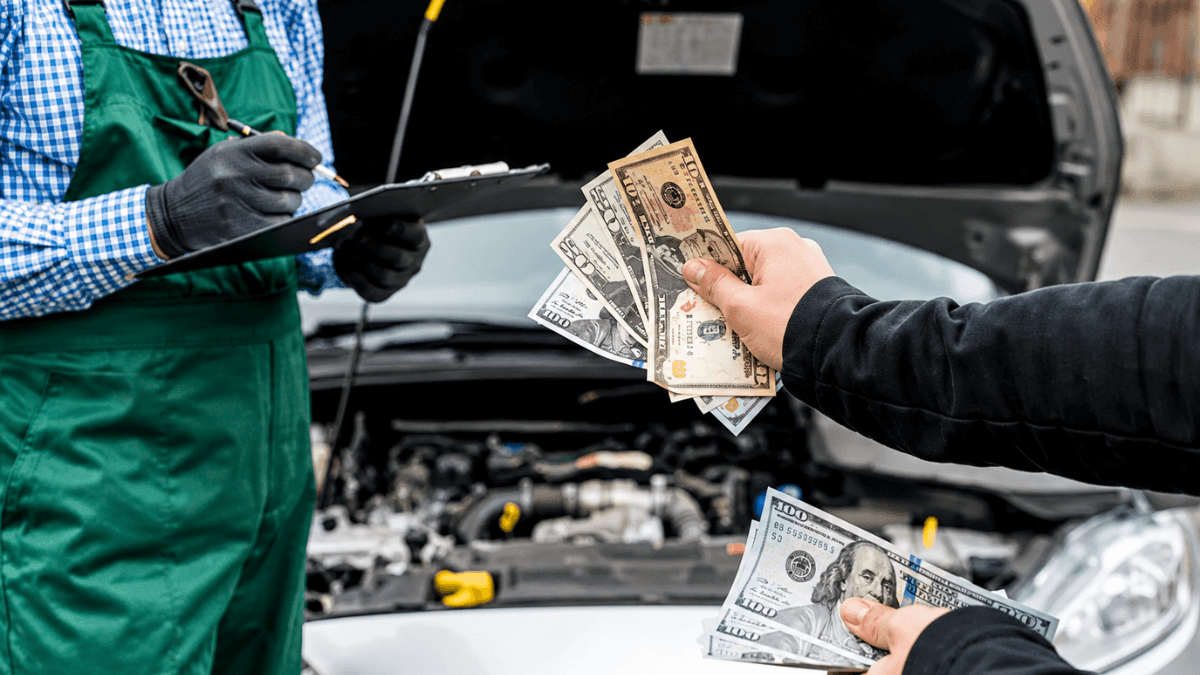
“I will fix it later” is one of the most expensive sentences in car ownership. Most drivers have ignored a strange noise or a warning light at some point. Life gets busy, the budget gets tight and the car still seems to drive well enough. The trouble is that cars rarely stay broken in the same small way. A minor fault that is left alone tends to spread, and the repair that would have cost a little early often costs a lot later.
This guide looks at the gap between a small problem and a big bill: the warning signs worth acting on, why drivers put off the visit, and why an early appointment with a mechanic so often turns out to be the cheapest option.
Small problems rarely stay small
Cars usually give early warning signs before a serious failure. A fluid leak appears, a noise starts, the engine runs hotter than it should. In most cases the driver notices something has changed and keeps driving anyway, because the car still gets them where they need to go.
By the time performance is noticeably worse, the damage has often spread to several components. Mechanics regularly see vehicles where a quick, affordable fix at the first sign of trouble would have prevented a much bigger repair later. The warning signs were there. They just were not acted on.
Why drivers put the visit off
Very few people delay car repairs out of laziness. They delay because the car still drives, because they are worried about the cost, or because they hope the warning light will switch itself off. Some convince themselves the noise is not that bad, and a week becomes a month, and a month becomes several.
That approach can save money in the short term. It rarely saves money in the long term. Vehicles that arrive at a workshop months after the first warning signs often need far more work than they would have needed at the start: an overheating engine, a transmission that slips, brakes that grind, a battery that will not hold a charge. These problems do not improve with time. They keep damaging the systems around them until the repair is bigger and the bill is higher.
Warning signs worth acting on
Modern cars are built to tell you when something is wrong, and they give plenty of notice if you are listening. Some of the most common warning signs include:
- Strange knocking, grinding or squealing sounds
- Dashboard warning lights that stay on
- Burning smells while driving
- Difficulty starting the engine
- Vibrations through the steering wheel
- Smoke from the exhaust
- A drop in fuel efficiency
- Brake squealing or a brake pedal that feels soft
Ignoring these symptoms puts extra pressure on the engine, transmission, suspension and braking system. In some cases, driving on can even create a safety risk for you, your passengers and other road users. A noise that only happens now and then is still worth having checked, because it is usually the first sign of a part that is wearing out.
What an early inspection catches
A trained mechanic can often spot wear and damage that a driver would never notice. That is the real value of an early visit. Small parts can be repaired or replaced before the surrounding components are affected, and a problem that would have spread through the vehicle is stopped while it is still contained.
Routine servicing does much of this work. During a standard service a mechanic checks fluid levels, filters, tyres, belts, brakes, suspension parts and the battery. None of it looks dramatic, but these checks regularly uncover issues that would otherwise become breakdowns or expensive repairs further down the road.
The cost of waiting
The biggest myth in car maintenance is that delaying repairs saves money. In practice the opposite is usually true, because small problems turn into large ones.
A minor coolant leak, for example, is inexpensive to fix early. Left alone, it can let the engine overheat and fail completely. Worn brake pads will eventually damage the rotors they press against, turning a cheap pad replacement into a much bigger brake job. Old engine oil stops protecting internal parts the way it should. A weak battery makes the alternator and the electrical system work harder. Every one of these begins as an affordable fix and becomes a large bill when it is ignored for months.
The hidden damage you cannot see
Some vehicle problems give no obvious warning at all until they are serious. Internal engine wear, cooling system trouble and transmission damage can develop slowly, without the driver noticing anything unusual in the early stages. By the time performance changes, several components may already be involved.
Low engine oil is a good example. It quietly increases friction inside the engine, and over time that lack of lubrication damages pistons, bearings and other internal parts. Suspension issues work the same way, affecting wheel alignment, tyre wear and steering control long before they become obvious. This is why mechanics encourage preventative maintenance rather than waiting for a complete failure. An early inspection finds these problems while they are still cheap to fix.
Choosing a workshop you can trust
Finding the right workshop matters as much as booking one. A good mechanic communicates clearly, explains what they found in plain language and gives honest advice about what is urgent and what can wait, without pushing work you do not need.
Look for a workshop that takes the time to inspect the whole vehicle rather than only the part that brought you in. Ask what they found and why it matters. Compare a couple of local options if you are unsure. Trust and straight answers are worth more than the cheapest quote, because a mechanic who is honest with you now will save you from being sold unnecessary repairs later.
The small fix is the one that saves you the most
Car ownership becomes far less stressful when problems are dealt with early instead of being pushed aside for months. A strange noise is not a reason to dread the workshop. It is an invitation to book one while the problem is still small.
Treat the warning signs as what they are, an early heads-up that a small repair can fix. Keep up with regular servicing, choose a workshop that will tell you the truth, and act on the first sign of trouble rather than the last. The small fix is almost always the cheap fix, and it is the one that stops a massive repair bill from ever arriving.

A private sale can save you thousands. It can also hand you a car that is still under finance, was written off in another state, or is one repair away from the scrap heap. The difference between those two outcomes is not luck. It is a checklist.
That is what this article gives you. Below is a tickable checklist that walks a used car in the same order a smart buyer does, from the checks you run before you even look at the car, through the walk-around, under the bonnet, inside the cabin and out on the road. Work through it at the car and tick each check as you go. Every item is explained in the sections underneath, and a reader who ticks the whole list finishes with the same answer a good inspection gives: this is a buy, or this is a walk.
Used car buying checklist
0 of 25Checks before you even look
Service history and paperwork
The walk-around
Under the bonnet and underneath
Inside and electrics
The test drive
The one check you never skip: PPSR
Start here, before you fall in love with anything. The PPSR, or Personal Property Securities Register, is a national database run by the Australian Financial Security Authority. For a few dollars and using the car’s VIN, it tells you three things that matter enormously: whether the car is under finance, whether it has been reported stolen, and whether it has been written off.
Why does that matter? Because a lender can repossess a car even after you have paid for it in good faith. If the seller still owes money on the car, the finance company has a legal claim on it that outranks your receipt. People lose cars this way every year, and no amount of “but I paid them” changes the outcome.
A state registration check is not enough. It confirms the rego is current, which is useful, but it does not reveal finance or write-off history. The PPSR is the only cheap check that covers all three, which is why it is the first tick on the list and the one you never skip.
Sort the paperwork before you fall in love
Now the boring stuff, because the boring stuff is what protects you.
Confirm the seller is the registered owner. Ask for their ID and check it against the registration papers, and check the name on any service records matches too. Match the VIN on the car, usually visible through the windscreen and stamped on a plate under the bonnet, to the VIN on the registration and the paperwork. If they do not line up, that is the whole deal over.
Ask why they are selling. You are not being nosy. A straight answer, like upgrading or moving overseas, is a good sign. A vague answer, or a story that changes when you ask twice, is a warning.
Look for a service history with consistent licensed-mechanic stamps. A logbook with regular entries is the closest thing a used car has to a health record, and it is the proof a car has been looked after. My guide to why you should not skip your car's logbook service explains why those stamps matter so much. Gaps in the history are not automatically a deal-breaker, but they are a question worth asking about.
Red flags here are simple. A seller who cannot produce the logbook, a VIN that does not match, or pressure to pay today. Any one of those is a reason to slow right down.
The walk-around: look before you open the door
The walk-around is where most problems show up, and you do not need to be a mechanic to spot them. Work your way around the car in a set order.
Panel gaps and paint. Run your eye down both sides. Gaps between panels that are uneven, or paint that does not quite match between panels, are classic signs of crash repairs. A car that has been repaired well is not automatically a bad buy, but a car that has been repaired badly is a negotiation point or a walk.
Rust. Check the wheel arches, the sills and the bottoms of the doors. Surface rust can be fixed. Rust that has eaten through metal is expensive and only gets worse.
Tyres. Look at all four, not just the pretty ones. Uneven wear across a tyre, or between tyres, can point to a suspension or alignment problem, and tyres with low tread are a cost you will wear a few weeks after you buy. The state of the tyres matters for safety too, and my guide to wet weather tyres in Australia covers what good tread looks like and when tyres need replacing.
Windscreen and lights. A cracked windscreen or heavy stone damage is a replacement cost, and cloudy or yellowed headlights are both an eyesore and a safety issue.
Under the bonnet and underneath
Pop the bonnet and look. You are not diagnosing anything. You are looking for the obvious.
Oil. Pull the dipstick out, wipe it, put it back, pull it again. The oil should be clean-ish and at the right level. Black, sludgy oil, or oil that smells burnt, tells you the car has not been serviced with love.
Leaks. Look at the ground under the car before you move it, and look again after it has been sitting. Fresh drips of oil, coolant or transmission fluid are all questions. A dry patch is the answer you want.
Battery. Corroded, crusty terminals are a sign of neglect, and a battery nearing the end of its life is a cost coming your way.
Belts and hoses. Cracked belts or swollen, soft hoses fail at the worst moment. They are cheap to replace, but they tell you how the car has been treated.
Underneath is the part people skip, and it is worth a look if you can get one. Get down and check for serious rust on the chassis and any fresh damage. You do not need to know what everything is. You are looking for the obvious, and the checklist makes sure you look.
If this is a significant buy, a professional pre-purchase inspection from a motoring club is worth every dollar. It costs a few hundred dollars, which sounds like a lot until you set it against a five-figure mistake. The inspector sees what you cannot, and the report is yours to negotiate with.
Inside and electrics
Now get in the car, because the cabin tells its own story.
Seats and seatbelts. Check the upholstery for damage and the seatbelts for fraying, and make sure they all click in properly. A worn driver’s seat on a low-kilometre car is a red flag worth noticing.
Switches. Work every switch, button and dial. Lights, indicators, wipers, hazard lights, windows, mirrors, the stereo. Each one takes two seconds, and each one that does not work is money.
Air-conditioning. Turn it on cold and give it a minute. Warm air from a system set to cold means a regas or a compressor repair.
Warning lights. Turn the key to the on position and watch the dash. Every warning light should come on briefly and then go out once the engine starts. A light that stays on, or one that never comes on at all, is a question. A seller who has “fixed” a warning light by pulling the bulb or taping over the dash is a seller you walk away from.
Everything broken in the cabin is a negotiation point or a reason to walk. Tally it up and let the number decide.
The test drive that tells the truth
This is where the car earns its keep, and it is not a lap around the block.
Start with a cold start, meaning the car has not been driven for a while. It should start easily, without cranking for ages or puffing smoke. Then drive it properly.
Brakes. Test them at low speed and at road speed. The pedal should feel firm, the car should stop straight, and there should be no grinding or pulling.
Steering. On a straight, flat stretch, let the wheel sit loose in your hands. The car should hold its line. Vibration through the wheel, or a pull to one side, points to alignment, suspension or tyre problems.
Gearbox and clutch. Automatic or manual, changes should be smooth. A manual clutch should engage cleanly without slipping or grabbing, and there should be no crunching between gears.
Listen. Rattles, squeaks, clunks, and any burning smell or smoke are all worth attention. Drive the route the seller does not pick, over some bumps and through some corners. And turn the radio off. You are listening to the car, not the playlist.
Roadworthy and the state rules
Now the paperwork that varies by state, in plain terms.
A roadworthy certificate, or safety certificate, is required in some states and situations, and not all. Victoria and Queensland require one for most private transfers. NSW uses eSafety checks in specific situations. Other states are more limited. The exact rule depends on where the car is registered and where you live, so your state road traffic authority is the place to confirm the current requirement.
Here is the part most buyers miss. A roadworthy certificate means the car meets minimum safety standards at the time it is issued. It does not mean the engine and transmission are sound, and it does not mean the car is a good buy. You can drive a car home with a fresh roadworthy and still have a gearbox that is about to let go. That is why this checklist covers the whole car, not just what passes the roadworthy.
The money and the transfer
The price is only part of the money story.
Before you pay, compare the agreed price against similar listings for the same make, model, year and kilometre range. A price well below the market is not a bargain, it is a question. Check the transfer paperwork and the deadline for your state, because registration transfer rules and time limits differ, and sort it promptly rather than parking the problem for later.
Keep copies of everything. The receipt, the roadworthy or safety certificate, and the transfer notice. If you are financing the purchase, the money side is its own decision, and my guide to securing the best car finance deal walks through the rates and the traps.
And one honest note before you hand over the money. A used car bought privately carries no statutory warranty. You are buying it as is, and the checklist is your defence, because after the handshake there is no shop to return it to. The repairs that come later are yours, which is exactly why my piece on the "I'll fix it later" car problem that ends in a massive repair bill is worth reading before you buy, not after.
When to walk away
A checklist is only useful if you trust the “no” it gives you. So here is when you walk.
Walk away from a seller who will not let you run the PPSR, or who tries to talk you out of it. Walk away from a car that fails a test-drive check, because it will not pass them again next week. Walk away from a price that is too good to be true, because in used cars, too good is usually hiding something. And walk away from a story that changes when you ask twice.
Walking away costs nothing. The wrong car costs thousands. Every buyer I know who ignored a red flag because they wanted the car to be right has regretted it. The ones who walked have never once wished they had bought it.
Do the checklist before the handshake
Buying a used car is not one big decision. It is a sequence of small checks, and you have just walked through all of them.
Run the PPSR first, because it protects you from the traps you cannot see. Look with your own eyes, because the car will not tell you its problems. Test drive with intent, because that is where the truth comes out. Then let the checklist make the call you might otherwise let your heart make.
A private sale can save you thousands. This checklist is how you make sure it does. Tick every box, trust the answer, and only then reach for your wallet.
Sources:
- Australian Financial Security Authority – PPSR (Personal Property Securities Register)
- carsales.com.au – how to buy a used car in Australia
- State road traffic authorities – roadworthy and registration transfer requirements (VicRoads, Service NSW, Queensland Department of Transport and Main Roads)

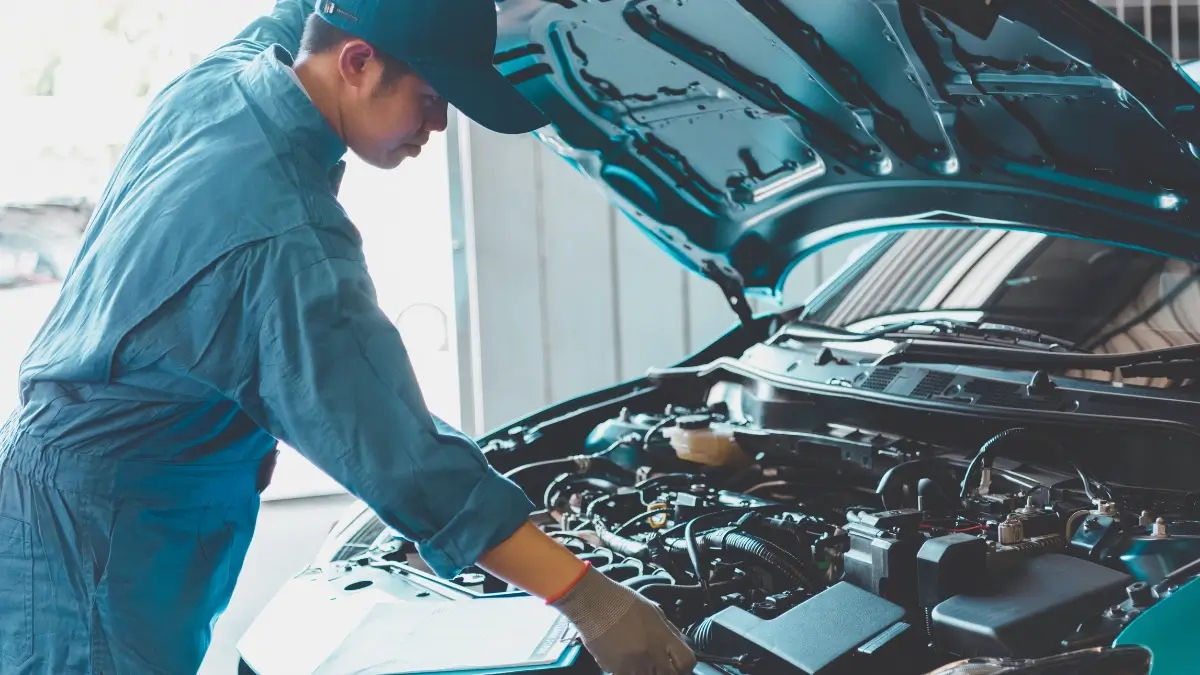
When your car is running smoothly, it is tempting to put off the logbook service. The reminder arrives, the car starts fine, the dashboard shows nothing, and another month goes by. Most Australian drivers have done it. But skipping a scheduled service is one of the more expensive ways to save a little time, because the problems it prevents are the kind that show up suddenly and cost thousands.
Here is what a logbook service actually does, and why keeping up with it is the cheapest insurance your car will ever have.
What a logbook service includes
A logbook service is the set of maintenance tasks your car’s manufacturer says should happen at set intervals, usually every twelve months or every 10,000 to 15,000 kilometres, whichever comes first. The exact list is in the service booklet that came with the car.
A typical service covers the engine oil and filter, a brake inspection, checks and top-ups of coolant and other fluids, a tyre rotation and wear check, a battery test and a scan of the car’s safety systems. As the car ages, the list grows to include items like air filters, spark plugs and timing components.
The point of following the schedule is that parts wear on a predictable timeline. Change the oil before it breaks down and the engine stays healthy. Replace a brake pad before it scores the rotor and the repair stays small. Logbook servicing is simply a way of staying ahead of that wear.
Skipping it can void your warranty
This is the reason most new-car owners keep their logbook stamped. Your new car warranty is conditional on the car being serviced according to the manufacturer’s schedule, on time and at the correct kilometre intervals.
Miss a service, or let it lapse too far past the due date, and the manufacturer can refuse a warranty claim. If the engine fails at 60,000 kilometres and the service history has a gap, the cost of a new engine lands on you rather than on the warranty. That single risk is usually reason enough to keep the schedule honest.
It keeps the car performing the way it should
Cars run best when the basics are fresh. Engine oil breaks down and turns to sludge, fuel filters clog, brake pads wear and tyres lose pressure. A logbook service replaces those wear items on schedule, which keeps fuel economy up, handling smooth and the car pleasant to drive.
The benefits you notice are simple ones: better fuel economy, smoother acceleration, fewer small faults and a much lower chance of a breakdown in the middle of a trip. What you do not notice, because the service prevents it, is the slow decline that comes from neglected maintenance.
It is a safety check as much as a maintenance one
A service is also the moment a mechanic goes over the car’s safety systems. Brakes get inspected and adjusted, steering and alignment are checked, tyre depth and pressure are confirmed, and suspension and electrical systems get a look. Those checks catch the faults that do not announce themselves, like a brake line corroding or a tyre worn below safe depth.
For you, your family and everyone else on the road, that annual safety once-over is worth the price of the service on its own. A car that stops, steers and grips as it should is a car you can rely on.
Regular servicing protects the car’s value
When it comes time to sell, a fully stamped service booklet is one of the strongest selling points a used car can have. It tells the buyer that the car has been looked after, and buyers pay more for that certainty. A car with a patchy service history sells for less and takes longer to move, because the buyer is quietly pricing in the risk of what was not maintained.
Over the life of the car, consistent servicing also means fewer major failures. Engines, transmissions and cooling systems last longer when their fluids and filters are changed on schedule, and a car that reaches 200,000 kilometres without a major repair is almost always a car that was serviced properly along the way.
The real cost of skipping
Skipping a service saves you a few hundred dollars today and can cost you thousands later. The list of expensive failures caused by neglect is long: engine sludge and overheating from old oil, premature brake failure, damaged tyres from missed rotations, and transmission problems from old fluid. Any one of those is a much larger bill than the service that would have prevented it.
A routine logbook service costs a few hundred dollars. The repair bill for a neglected engine or gearbox runs into the thousands. Looked at that way, the service is not an expense, it is the cheaper option by a wide margin.
Where to get it done
You do not have to go back to the dealership. Independent licensed mechanics can perform logbook servicing, and as long as the service follows the manufacturer’s schedule and uses the right parts, it keeps the warranty valid. The logbook needs to be stamped with the date, odometer reading and the mechanic’s details, and receipts should be kept.
Choosing a mechanic is about trust more than location. Look for a workshop that specialises in your make, or at least one with a good reputation for the work. Ask what the service includes before you book, and confirm that genuine or equivalent parts will be used. A good mechanic will also flag anything they found that needs attention, so you can plan the next repair instead of discovering it on the highway.
The service you skip today is the bill you pay later
Your car is one of the bigger investments most households make, and it only holds its value and stays reliable if it is maintained. A logbook service is not a luxury or a box to tick. It is a scheduled investment in the car’s safety, performance and resale value, and it is far cheaper than the alternative.
When the reminder appears, book it in. Keep the logbook stamped, keep the receipts, and you will have a car that starts when you need it, stops when you ask it to, and is worth more when you eventually sell it. That is a good trade for a few hours and a few hundred dollars once a year.

Australia’s coastal cities might be famous for sunshine, but anyone who drives through a Melbourne winter or a Perth wet season knows how quickly the roads turn treacherous. Rain changes everything about how a car behaves. Stopping distances grow, grip drops and the risk of hydroplaning appears out of nowhere.
The tyres you are riding on are the only part of the car actually touching the road, so they do most of the work when the heavens open. The good news is you do not need to be a tyre expert to make a smart choice. You just need to know what to look for and when to replace what you have. Here is a practical guide.
Why tyres matter so much in the wet
Water on the road creates a film between your tyre and the surface. If that film cannot be pushed aside, your tyres lose grip, and when they lose enough grip you start to hydroplane, sliding on top of the water instead of cutting through it.
Two things keep that from happening. The first is the tread pattern. Deep, wide grooves are designed to channel water out from under the tyre, which is what keeps the rubber in contact with the road. The second is the rubber compound itself. A tyre made from a compound that stays flexible in cooler, wet conditions grips better than one that hardens up. Together, tread design and compound decide how well your car copes with a downpour.
What to look for in a wet-weather tyre
Forget trying to pick a single “best” brand. The tyres that handle wet roads well share a few design features, and those features are what you should be comparing.
Deep water-evacuation grooves are the first thing to check. Tyres with wide circumferential grooves move water away from the contact patch quickly, which is your main defence against hydroplaning. If you look at a tyre and the grooves look generous, that is a good sign for wet weather.
Asymmetric tread patterns are worth seeking out too. These tyres use different tread blocks on different parts of the tyre, with the inner section focused on water evacuation and the outer section focused on grip in corners. It is a design that balances wet-weather safety with everyday handling, which makes it a sensible choice for drivers who do a mix of highway and city driving.
Rubber compound matters just as much as the tread. A compound engineered for wet conditions stays grippy when the road is cold and slick, which shortens braking distances compared with a harder, budget tyre. If a tyre mentions wet grip or silica-enhanced compound in its description, it is usually built with rain in mind.
It is also worth thinking about how you drive. Sports-car owners who push for high-speed stability will prioritise different characteristics than someone doing the school run, and that is fine. The features above are the baseline. Your driving style narrows the choice from there.
When should you change your tyres?
Having the right tyre is only half the battle. Tyres wear out, and a worn tyre is dangerous in the wet no matter how good it was when new.
The legal minimum tread depth in Australia is 1.6 millimetres, measured across the central three-quarters of the tyre. That is the law, but for wet weather it is worth treating as the absolute floor rather than a target. As tread depth drops, the grooves get shallower and their ability to shift water falls away quickly. Grip in the rain can deteriorate well before you hit the legal limit, so if you do a lot of wet-weather driving, consider replacing tyres while they still have a few millimetres to spare.
If you are not sure how to measure tread depth yourself, a simple tread-depth gauge is cheap, and most tyre shops will check your tyres for you if you ask. The important thing is not to wait until the tread is sitting right on the legal minimum before you act.
Beyond tread depth, keep an eye on the tyre itself. Uneven wear across the tread often points to a wheel-alignment problem or incorrect tyre pressure, both of which hurt wet grip. Cracks in the sidewall, bulges and visible damage are all reasons to replace a tyre immediately, because a tyre that fails at speed is not something you want to risk in the rain.
Melbourne and Perth, two very different wet seasons
Your local weather should shape when you check your tyres. Melbourne’s climate is famously unpredictable, with heavy rain spread through autumn and winter and roads that can go from wet to dry several times in a day. A tyre with strong all-weather tread is a sensible year-round choice there.
Perth runs on a Mediterranean rhythm, with a dry stretch and then a wet season from about May to September. If you live in Perth, the start of the wet season is the natural moment to check your tread depth and pressures, because that is when the roads you drive every day suddenly get slick. A set of tyres that served you fine through summer may not have enough tread left to handle the first big autumn downpour.
A few habits that keep you safer
Tyres cannot do all the work on their own. Give them a chance and they will look after you. Check your tyre pressures at least once a month and before any long trip, because underinflated tyres grip worse and wear faster. Rotate your tyres according to the schedule in your owner’s manual so they wear evenly. And when the rain is heavy, slow down, leave extra room to the car ahead and brake earlier and more gently than you would on a dry road. No tyre can defy the laws of physics, and a sensible right foot is still your best safety feature.
Keep your tyres ready for the next downpour
You do not need to overthink wet-weather tyres. Look for deep water-evacuation grooves, an asymmetric tread pattern and a rubber compound built for wet grip, then keep an eye on tread depth and tyre condition as the kilometres add up. Do that, and you have done most of what any tyre can ask of you.
The rain will come eventually, whether you are in Melbourne, Perth or anywhere in between. When it does, you want to be the driver who is not suddenly worried about whether the tyres are up to it. A little planning now means you can relax and drive on, whatever the sky decides to do.

A Spanish Spread at Home: What to Buy, What to Cook, and the Order to Do It In

Becoming a Traffic Controller: The Ticket, the Work, and What Nobody Tells You

Hydrotherapy, Explained: What Happens in the Pool and Who It Is Actually For

The Science Behind Melbourne’s Unpredictable Climate: What’s Really Going On?

Plastic-Free Coffee Makers: Myth or Must-Have?

Zero Waste Toothpaste: What’s Worth the Switch and What to Look For
-
 Melbourne1 year ago
The Science Behind Melbourne’s Unpredictable Climate: What’s Really Going On?
-
Eco Friendly4 years ago
Plastic-Free Coffee Makers: Myth or Must-Have?
-
Eco Friendly4 years ago
Zero Waste Toothpaste: What’s Worth the Switch and What to Look For
-

 Automotive1 year ago
Wet Weather Tyres in Australia: What to Look For and When to Replace Them
-
 Eco Friendly4 years ago
Plastic Free Packaging: How to Keep Your Business Plastic Free
-
 Eco Friendly4 years ago
How Aussie Businesses Can Reduce Plastic Pollution
-

 Home & Garden1 year ago
Boost Productivity and Mood with a Deep Cleaned Space
-

 Financial1 year ago
How to Secure the Best Car Finance Deal: Tips for Negotiating and Saving Money