
Listing
Why Do Plumbing Problems Often Appear at the Worst Possible Time?

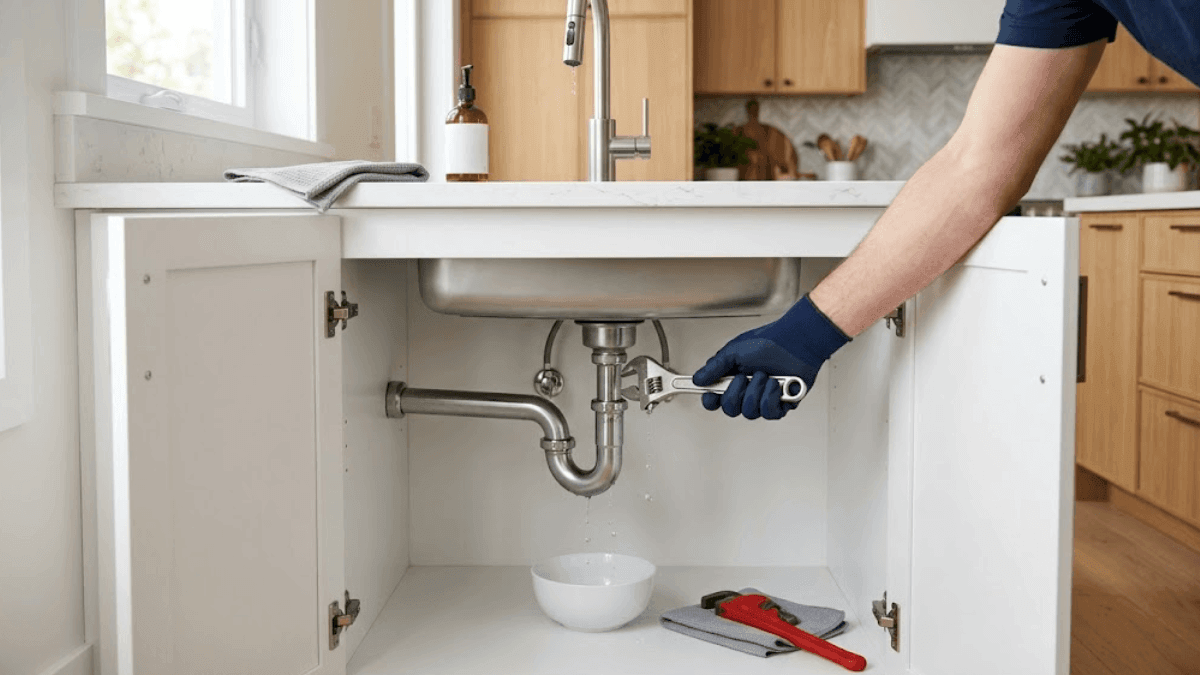
Few household issues feel as frustrating as a plumbing problem that suddenly appears at the worst possible moment. A leaking pipe during a family gathering, a blocked drain early in the morning, or a burst pipe late at night can quickly turn an ordinary day into a stressful situation. Many homeowners eventually find themselves searching for a plumber bondi junction to resolve these unexpected issues quickly and efficiently.
Plumbing systems work continuously behind the scenes, supplying water and removing waste throughout the day. Because these systems operate constantly, small hidden problems can slowly develop over time. Unfortunately, these minor issues often remain unnoticed until they become serious enough to disrupt daily life.
Understanding why plumbing problems often occur at inconvenient times can help homeowners identify early warning signs and take preventive steps before a small issue becomes a major emergency.
Hidden Wear and Tear in Plumbing Systems
Many plumbing problems happen suddenly because pipes, fittings, and fixtures experience constant wear over time. Water pressure, temperature changes, and daily use slowly weaken plumbing components. By the time a homeowner calls a plumber Bondi Junction, the problem may have been developing quietly for weeks or even months.
Pipes located behind walls or under floors are especially vulnerable because small leaks or corrosion may go unnoticed until the damage becomes severe.
Common causes of plumbing wear and tear include:
- Ageing pipes and plumbing materials
- Gradual corrosion inside metal pipes
- Water pressure fluctuations
- Loose pipe connections
- Long-term exposure to moisture
These hidden issues may remain invisible until they reach a critical point, which is why plumbing failures often seem sudden.
Increased Usage During Busy Periods
Plumbing systems tend to fail when they are under the most pressure. This usually happens during busy periods such as holidays, family gatherings, or early mornings when multiple fixtures are being used at once.
For example, when several people use showers, sinks, and toilets simultaneously, the plumbing system experiences higher demand. If there is an existing weakness in the system, this additional pressure may cause a leak, blockage, or pipe burst.
Situations that commonly trigger plumbing issues include:
- Heavy water usage during gatherings or events
- Simultaneous use of multiple appliances
- Increased demand during colder seasons
- Continuous use of plumbing fixtures without maintenance
These conditions place additional stress on pipes and fixtures, increasing the likelihood of a sudden problem.
Blockages That Build Up Slowly
Many plumbing issues begin as small blockages that gradually grow worse over time. Kitchen sinks, bathroom drains, and toilets can accumulate debris, grease, hair, and other materials that restrict water flow.
At first, these blockages may cause only minor slow drainage. However, as the buildup continues, the blockage may eventually cause a complete pipe obstruction.
Typical causes of drain blockages include:
- Food waste and cooking grease in kitchen sinks
- Hair and soap residue in bathroom drains
- Flushing inappropriate materials in toilets
- Accumulated mineral deposits inside pipes
When these materials collect inside pipes, water flow becomes restricted, eventually leading to backups or overflow.
Weather and Temperature Changes
Weather conditions can also affect plumbing systems. In some cases, temperature changes can cause pipes to expand or contract, which may lead to cracks or leaks.
Cold weather can be particularly problematic because water inside pipes may freeze and expand. This expansion increases pressure inside the pipe, which may cause it to burst.
In the middle of dealing with sudden plumbing issues, many homeowners rely on a plumber bondi junction to quickly diagnose and repair weather-related damage.
Environmental factors that impact plumbing systems include:
- Temperature fluctuations cause pipe expansion
- Cold conditions leading to frozen pipes
- Heavy rainfall is affecting drainage systems
- Tree roots growing into underground pipes
These external factors can contribute to plumbing failures that appear unexpectedly.
Lack of Regular Plumbing Maintenance
One of the main reasons plumbing issues occur at inconvenient times is the lack of regular system inspections. Many homeowners only address plumbing problems when something goes wrong, rather than checking for early warning signs.
Routine maintenance can help identify small issues before they become larger problems. Regular inspections allow professionals to detect leaks, worn components, or developing blockages early.
Benefits of routine plumbing maintenance include:
- Early detection of hidden leaks
- Prevention of major pipe damage
- Improved efficiency of water systems
- Reduced risk of emergency repairs
Regular maintenance helps keep plumbing systems functioning smoothly while minimising unexpected disruptions.
Early Warning Signs That Should Not Be Ignored
Although plumbing problems may seem to appear suddenly, there are often small warning signs that indicate trouble ahead. Recognising these signs early can help homeowners prevent major issues.
Common warning signs include:
- Slow-draining sinks or bathtubs
- Unusual sounds coming from pipes
- Water stains on walls or ceilings
- Unexpected increases in water bills
- Low or inconsistent water pressure
When these symptoms appear, addressing them quickly can prevent more serious damage to the plumbing system.
Conclusion
Plumbing problems often seem to occur at the worst possible times, but they are usually the result of hidden issues that have been developing gradually. Ageing pipes, heavy water usage, blockages, weather conditions, and lack of maintenance can all contribute to sudden plumbing failures.
When these problems arise, seeking help from a plumber bondi junction can ensure that the issue is diagnosed and repaired quickly. By paying attention to early warning signs and scheduling regular maintenance, homeowners can reduce the chances of unexpected plumbing emergencies and keep their systems operating smoothly.
FAQs
1. Why do plumbing problems happen suddenly?
Many plumbing issues develop slowly over time but remain hidden until they reach a point where they cause noticeable damage.
2. What are the most common causes of plumbing emergencies?
Common causes include pipe corrosion, blockages, high water pressure, weather changes, and lack of regular maintenance.
3. How can homeowners prevent plumbing problems?
Regular inspections, proper waste disposal, and addressing small issues early can help prevent major plumbing failures.
4. What are the warning signs of a plumbing problem?
Slow drainage, unusual pipe noises, water stains, and low water pressure are common warning signs.
5. When should a plumber be contacted?
A plumber should be contacted when leaks, blockages, unusual noises, or other plumbing issues appear to prevent further damage.
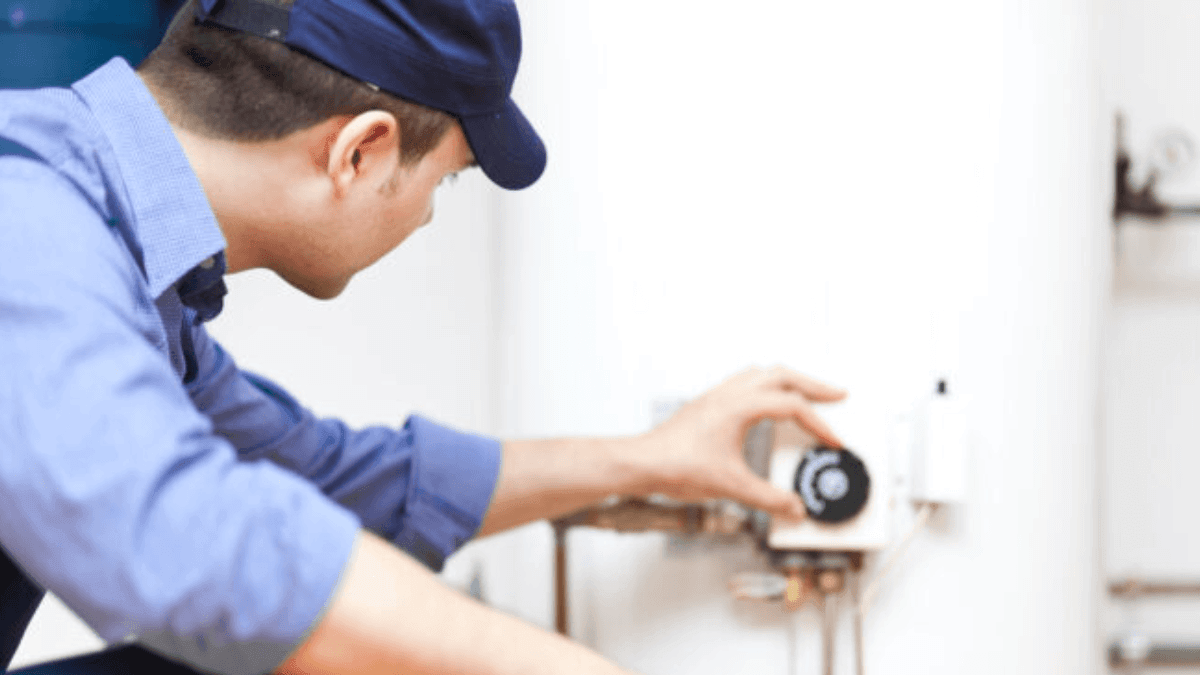
Understanding Why Hot Water Problems Shouldn’t Be Ignored
A reliable hot water system is one of the most important parts of any Sydney home. It supports showers, dishwashing, laundry, and everyday comfort. When the system starts showing signs of trouble, many households delay repairs and hope the issue disappears. In most cases, small faults become larger and more expensive if left too long.
Hot water units often give warning signs before they fail completely. Strange noises, slow heating, leaks, or water that changes temperature can all point to internal wear. Acting early usually means simpler repairs, lower costs, and less disruption to daily life.
Common Signs It’s Time to Call a Professional
Knowing when to arrange hot water system repair services in Sydney can save time and stress. Some issues appear minor at first but can quickly affect the whole unit. A dripping valve today may become a major leak tomorrow.
Common warning signs include:
- Water is not heating properly
- Rusty or discoloured water
- Low hot water pressure
- Unusual banging or popping sounds
- Water is pooling near the tank
- Sudden increases in energy bills
When these problems appear, a licensed technician can inspect the system and identify the cause before more damage develops.
Leaks Around the Unit Need Fast Attention
Leaks are one of the clearest signs that a hot water system needs immediate care. Even a slow drip can damage flooring, walls, and nearby fittings. Water leaks may come from valves, pipe connections, pressure faults, or cracks in the tank itself.
Some leaks are repairable if caught early, especially when caused by loose fittings or worn components. If the tank body is corroded, replacement may be the smarter option. Either way, delaying action often leads to higher costs and avoidable water waste.
No Heat or Inconsistent Temperature Problems
Nothing gets attention faster than stepping into a cold shower. If water runs cold too quickly or never heats properly, booking hot water system repair Sydney services becomes essential. Faulty thermostats, damaged heating elements, gas burner issues, or sediment build-up are common causes.
Inconsistent temperatures can also create safety risks. Water that suddenly becomes too hot may indicate thermostat faults, while lukewarm water can point to system inefficiency. A trained technician can test the unit and restore safe, stable performance.
Strange Noises and Reduced Efficiency
Many homeowners ignore sounds coming from their hot water system, but unusual noise often signals internal problems. Rumbling, popping, or hissing may happen when sediment builds up inside the tank. This build-up forces the unit to work harder and can shorten its lifespan.
Older systems often become less efficient over time. Heating takes longer, power use increases, and hot water runs out sooner. These issues may not seem urgent, but they usually indicate the system is under strain and needs professional attention.
Why Fast Repairs Often Save Money
Booking a hot water system repair in Sydney early can be far cheaper than waiting for total failure. Replacing a valve, thermostat, or heating element is usually more affordable than emergency replacement after a breakdown.
Early repairs can also reduce other costs, such as:
- Higher electricity or gas bills
- Water damage repairs
- Emergency call-out fees
- Temporary accommodation inconvenience
- Full system replacement sooner than expected
When faults are handled quickly, the unit may continue running efficiently for years.
Repair or Replace: How to Decide
Not every fault means a new system is needed. In many cases, professional repairs restore strong performance. However, age plays a major role. If a unit is approaching the end of its expected lifespan and repairs are becoming frequent, replacement may offer better value.
A technician will usually consider:
- Age of the system
- Cost of current repairs
- Overall condition of the tank
- Energy efficiency level
- Availability of replacement parts
Households comparing options for hot water system repair Sydney services often find that expert advice helps them avoid spending money twice.
Choosing the Right Technician in Sydney
Hot water systems involve plumbing, pressure, electricity, or gas, depending on the model. That means repairs should always be completed by qualified professionals. Choosing the right technician gives peace of mind and ensures the job meets safety standards.
Look for providers who offer:
- Licensed and insured technicians
- Experience with gas, electric, and continuous flow units
- Clear pricing before work starts
- Prompt response times
- Good customer reviews
- Honest repair versus replacement advice
Many Sydney homeowners searching for hot water system repair Sydney solutions prefer local specialists who understand common household systems and can respond quickly when urgent issues arise. Sydney homeowners looking into hot water issues often compare trusted local plumbing providers, with businesses such as Torino Plumbing commonly mentioned for handling repairs, maintenance, and urgent household plumbing concerns across the region.
Preventing Future Hot Water Breakdowns
Regular maintenance is one of the best ways to avoid a sudden loss of hot water. Like any appliance, a hot water system performs better when checked and serviced over time. Simple inspections can identify worn parts before they fail.
Helpful maintenance steps include:
- Flushing sediment from storage tanks
- Checking pressure relief valves
- Inspecting for rust or corrosion
- Testing thermostat performance
- Looking for moisture around fittings
- Scheduling periodic professional servicing
Households that maintain their systems properly often experience fewer emergencies and better long-term performance. For any signs of trouble, arranging hot water system repair Sydney assistance early remains the smartest move.
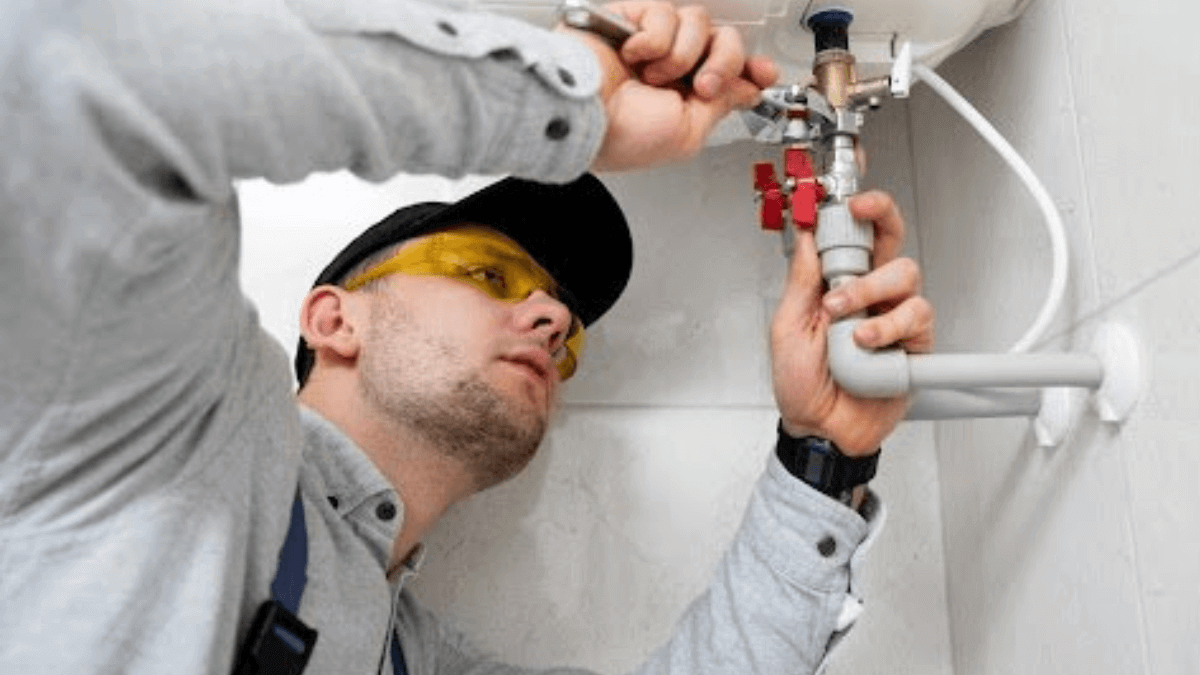
Most plumbing disasters don’t start as disasters. They begin as small drips, slow drains, or faint pipe noises that homeowners brush aside. According to any experienced Plumber Sydney, the biggest repair bills often come from problems that were easy to fix early on. Plumbing systems work quietly in the background until something goes wrong. And when it does, it rarely happens at a convenient time.
Understanding basic plumbing advice from a professional perspective can help prevent water damage, unexpected expenses, and unnecessary stress. Below is practical, real-world guidance that property owners across Sydney should take seriously.
A Plumber Sydney Warns: Small Leaks Are Never “Minor”
A licensed Plumber Sydney will confirm that there is no such thing as a harmless leak. That steady drip under the sink or around a tap might seem insignificant, but it can lead to:
- Structural damage to cabinetry
- Mould growth in hidden areas
- Increased water bills
- Corrosion in pipes and fittings
Leaks often worsen over time, especially when pressure builds within the plumbing system. Early repairs are usually simple and affordable compared to fixing water-damaged walls or flooring.
Practical Tip: If a tap continues dripping after being tightly turned off, or if water stains appear under sinks, book an inspection sooner rather than later.
Blocked Drains Don’t Fix Themselves
Slow-draining sinks or showers are warning signs, not inconveniences to ignore. Many homeowners rely on chemical drain cleaners, but these products can corrode pipes and offer only temporary relief.
Common causes of blockages include:
- Grease and food waste buildup
- Hair accumulation
- Tree root intrusion
- Foreign objects flushed into toilets
Professional drain clearing involves proper inspection tools such as CCTV drain cameras and high-pressure water jetting. Addressing the cause, rather than the symptom, prevents recurring issues.
Know Where Your Main Water Shut-Off Valve Is
In an emergency, every second matters. Burst pipes, overflowing toilets, or appliance hose failures can flood a home quickly.
Every property owner should:
- Locate the main water shut-off valve
- Ensure it turns freely
- Inform household members where it is
Being able to shut off water immediately can limit damage before a plumber arrives.
Hot Water Systems Need Attention Too
Hot water systems are often ignored until cold showers become unavoidable. Regular maintenance can extend system lifespan and improve efficiency.
Watch for:
- Rust-colored water
- Strange banging or popping noises
- Inconsistent water temperature
- Leaks around the tank
Sediment buildup is a common issue in Sydney homes. Flushing the system periodically and checking pressure valves can prevent breakdowns.
Not Everything Belongs Down the Drain
Toilets and sinks are not waste disposal units. Flushing inappropriate items is one of the leading causes of plumbing emergencies.
Avoid flushing:
- Wet wipes (even “flushable” types)
- Paper towels
- Sanitary products
- Cooking oils and fats
These materials do not break down easily and can cause severe pipe blockages. Prevention is always less expensive than emergency plumbing repairs.
Pressure Problems Shouldn’t Be Ignored
Low water pressure can indicate hidden leaks or pipe blockages. High water pressure, on the other hand, may damage fixtures and shorten appliance lifespan.
A professional assessment by a Plumber Sydney can determine whether pressure regulators need adjustment or if underlying issues exist within the pipe network.
Balanced water pressure protects taps, dishwashers, washing machines, and hot water systems.
Tree Roots Are a Silent Threat
Sydney’s established suburbs often feature mature trees with expansive root systems. These roots naturally seek moisture and can enter underground pipes through small cracks.
Signs of root intrusion include:
- Repeated drain blockages
- Gurgling sounds from toilets
- Soggy patches in the yard
- Foul odours near drains
Specialised equipment can detect and clear root growth before pipes collapse entirely.
Renovations Require Professional Input
Bathroom and kitchen upgrades are exciting projects. However, moving plumbing fixtures without proper planning can lead to long-term complications.
Before starting renovations:
- Confirm pipe locations
- Check water pressure capacity
- Ensure compliance with local plumbing codes
- Obtain required permits
Incorrect installations can result in leaks behind walls, drainage issues, or compliance penalties.
Regular Inspections Save Money Over Time
Routine inspections often uncover small issues before they escalate. Many homeowners only contact a plumber during emergencies, but preventative maintenance can reduce overall repair costs.
Benefits of scheduled checks include:
- Early leak detection
- Drain condition assessments
- Hot water system testing
- Pressure regulation monitoring
In the middle of maintaining a property, consulting a Plumber Sydney for preventative advice can significantly reduce unexpected breakdowns.
Common Plumbing Myths to Stop Believing
Myth 1: A slow drain isn’t urgent.
Reality: It’s usually the first stage of a full blockage.
Myth 2: Chemical cleaners solve drain problems permanently.
Reality: They often damage pipes and mask larger issues.
Myth 3: Plumbing only needs attention when something breaks.
Reality: Preventive care extends system life and lowers costs.
Quick Plumbing Checklist for Homeowners
- Check under sinks monthly for moisture
- Monitor water bills for unexplained increases
- Avoid pouring grease down drains
- Inspect outdoor taps and hoses
- Service hot water systems regularly
Small actions can make a major difference.
FAQs
1. How often should plumbing be inspected?
A general inspection every 1–2 years is recommended, especially for older homes or properties with large trees nearby.
2. What causes sudden drops in water pressure?
Possible causes include hidden leaks, pipe corrosion, sediment buildup, or issues with the pressure regulator.
3. Are chemical drain cleaners safe?
Frequent use can damage pipes and seals. Professional drain cleaning methods are safer and more effective in the long term.
4. When should a hot water system be replaced?
Most systems last 8–15 years, depending on type and maintenance. Persistent leaks or inconsistent heating may signal replacement time.
5. Is a dripping tap really a big issue?
Yes. Over time, a dripping tap wastes significant water and may indicate worn internal components that require repair.
Final Thoughts
Plumbing problems rarely announce themselves loudly at first. Minor warning signs often precede major disruptions. Acting early, staying informed, and seeking professional assessment when needed can protect both property and budget.
Sound advice from an experienced plumbing professional isn’t about scare tactics—it’s about prevention. Paying attention to small issues today can prevent significant repairs tomorrow.
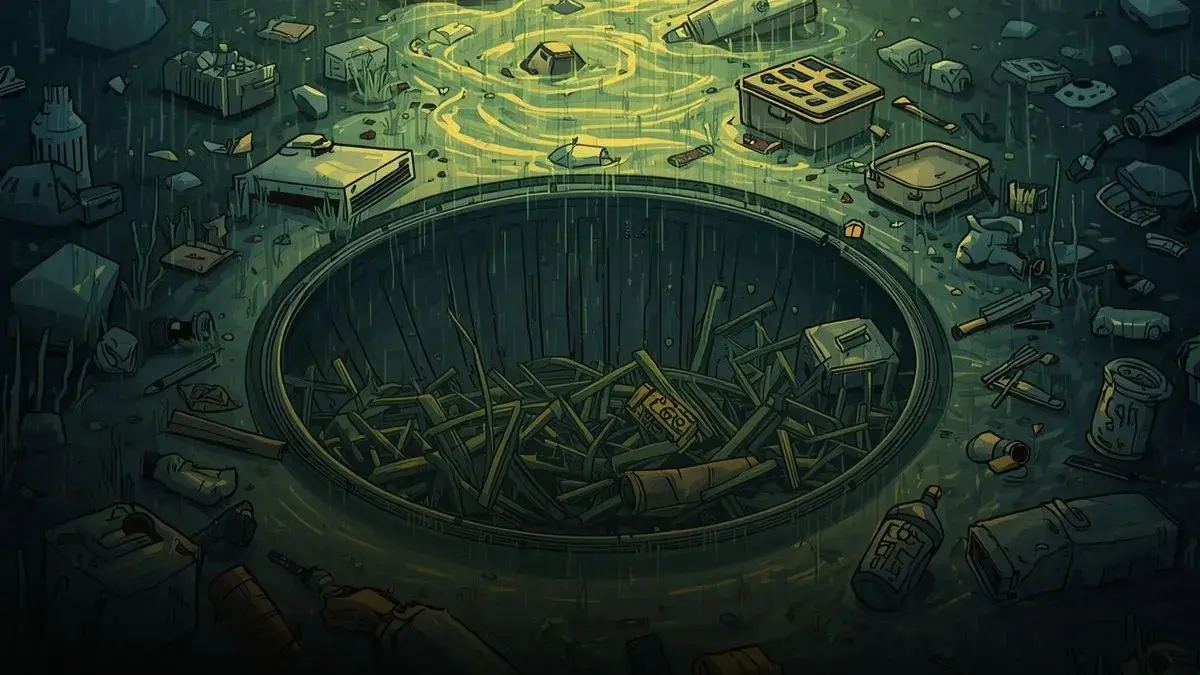
Stormwater drains play a critical role in protecting your property from water damage, especially during heavy rain. When they become blocked, problems can escalate quickly. Many homeowners don’t realise there’s an issue until water starts pooling or flooding occurs. Understanding the early warning signs can save you from costly repairs and structural damage.
In this guide, we’ll walk you through the most common signs of Blocked Stormwater Drains, why they happen, and when it’s time to call a professional.
Why Stormwater Drains Get Blocked
Stormwater drains are designed to carry rainwater away from your roof, driveway, and yard. Over time, they can become clogged due to:
- Leaves and garden debris
- Dirt, sand, and sediment buildup
- Tree roots entering underground pipes
- Broken or collapsed pipes
- Rubbish washed in during storms
These blockages restrict water flow and cause drainage issues that worsen with each rainfall.
Clear Signs Your Stormwater Drains Are Badly Clogged
1. Water Pooling Around Your Property
If you notice water sitting in your yard, driveway, or near foundations long after rain has stopped, it’s a strong indicator your stormwater system isn’t draining properly.
2. Overflowing Downpipes and Gutters
When downpipes overflow during moderate rain, it often means the underground stormwater drains are blocked and water has nowhere else to go.
3. Gurgling or Bubbling Sounds
Unusual noises coming from drains after rainfall suggest trapped air caused by a blockage in the system.
4. Water Backing Up from Drain Grates
Stormwater rising back through outdoor drain grates is a serious warning sign and should be addressed immediately to avoid flooding.
5. Persistent Damp Patches or Soil Erosion
Soft ground, soggy areas, or unexplained erosion near drains can point to leaking or blocked stormwater pipes underground.
6. Bad Odours Outdoors
While stormwater drains don’t usually smell, stagnant water trapped by blockages can create unpleasant odours around your property.
7. Increased Mosquito Activity
Standing water caused by blocked drains becomes a breeding ground for mosquitoes and other pests.
The Risks of Ignoring Blocked Stormwater Drains
Delaying repairs can lead to:
- Property and landscape damage
- Foundation weakening
- Mould and damp issues
- Pipe corrosion or collapse
- Costly emergency repairs during storms
Addressing Blocked Stormwater Drains early is far more affordable than dealing with major water damage later.
When to Call the Professionals
DIY fixes like clearing surface debris may help temporarily, but deep or recurring blockages require specialised equipment such as CCTV drain inspections and high-pressure water jetting.
If you’re experiencing repeated drainage issues, a Blocked Stormwater Drains Service in Werribee can identify the root cause and provide a long-term solution. Professional plumbers ensure your system is flowing correctly and compliant with local drainage standards.
Choosing a reliable Blocked Stormwater Drains Service in Werribee also helps prevent future issues by spotting early signs of pipe damage or root intrusion.
Preventing Future Stormwater Drain Blockages
You can reduce the risk by:
- Regularly cleaning gutters and downpipes
- Installing leaf guards
- Avoiding planting trees near stormwater lines
- Scheduling routine drain inspections
Preventative maintenance is key to keeping your stormwater system working efficiently year-round.
Final Thoughts
Clogged stormwater drains are more than just an inconvenience—they can cause serious damage if left untreated. By recognising the warning signs early and acting quickly, you protect your home, landscaping, and peace of mind.
If any of these signs sound familiar, it’s time to have your drains professionally checked before the next heavy downpour hits.

The One Visa Mistake That’s Quietly Ruining Thousands of Australian Migration Plans

Why Waiting Too Long to Contact a Tax Accountant Could Cost You More Than You Think

Why Mediterranean Restaurants Brisbane Are Becoming the Go-To Choice for Group Dining

The Science Behind Melbourne’s Unpredictable Climate: What’s Really Going On?

Felix Cat Food Review: Is It the Right Choice for Your Cat?

5 Must-Try Halal Restaurants You Can’t Miss in Geelong
-
 Melbourne1 year ago
The Science Behind Melbourne’s Unpredictable Climate: What’s Really Going On?
-
 Food9 months ago
Felix Cat Food Review: Is It the Right Choice for Your Cat?
-
 Food1 year ago
5 Must-Try Halal Restaurants You Can’t Miss in Geelong
-

 Food1 year ago
Top 3 Halal Restaurants in Ballarat You Must Try
-
 Eco Friendly4 years ago
Plastic-Free Coffee Makers: Myth or Must-Have?
-

 Food1 year ago
Comparing the 4 Best Burger Joints in Werribee
-

 Food1 year ago
Best Indian Cuisine in Perth: Top 5 Restaurants You Must Try
-
 Eco Friendly4 years ago
Plastic Free Packaging – How to Keep Your Business Plastic Free?