
Healthcare
Soft Drinks and Their Impact on Your Health: Why They Should Be Avoided


Let’s face it—soft drinks have become a staple in many households, whether it’s a cold soda with lunch, a fizzy drink at a BBQ, or a pick-me-up during a long workday. But as tasty as they are, these sugary, fizzy drinks are a ticking time bomb for your health. While they might quench your thirst in the short-term, the long-term effects can be devastating, leading to serious health conditions that can impact your liver, kidneys, heart, and even your mental health.
In this blog, we’ll explore why soft drinks should be avoided, focusing on the damage they can cause to your organs, metabolism, and mental health. We’ll also give you some tips to break free from the sugary cycle and make healthier choices that can support your body’s overall well-being. So, grab a glass of water and let’s dive into the not-so-sweet truth about soft drinks.
1. The Liver: Soft Drinks and Fatty Liver Disease
Your liver is one of the hardest-working organs in your body, responsible for filtering toxins, processing nutrients, and storing energy. But consuming soft drinks regularly can put a serious strain on your liver, leading to conditions like fatty liver disease.
How Soft Drinks Affect the Liver:
- Excess Sugar: Soft drinks are packed with sugar, primarily in the form of fructose. This sugar is metabolised by the liver, and when consumed in excess, it’s converted into fat, leading to fatty liver disease (also known as non-alcoholic fatty liver disease, or NAFLD).
- Fatty Liver Development: Over time, the accumulation of fat in the liver can lead to inflammation, scarring, and potentially liver cirrhosis, which severely impacts liver function.
The Stats:
- Fructose and Fatty Liver: Studies show that high fructose intake from sugary drinks contributes to fatty liver, even in people who don’t drink alcohol.
- Around 25% of Australians have NAFLD, and soft drinks are a significant contributing factor.
Why You Should Care:
- Liver Damage: When the liver is overwhelmed with sugar and fat, its ability to detoxify the body is reduced, leading to a weakened immune system and potential organ failure in severe cases.
- Long-Term Consequences: Over the long term, fatty liver disease can increase the risk of developing more serious conditions, such as type 2 diabetes and heart disease.
2. Kidneys: The Strain on Your Kidneys
Your kidneys play a vital role in filtering waste products from your blood and regulating fluid balance. But drinking soft drinks regularly can strain your kidneys, leading to kidney disease over time.
How Soft Drinks Affect the Kidneys:
- Excess Sugar and Phosphoric Acid: Soft drinks, especially cola, contain phosphoric acid, which can interfere with kidney function. Combined with high sugar content, this acid can increase your risk of developing kidney stones and chronic kidney disease (CKD).
- Dehydration: Soft drinks, particularly those with caffeine, can also contribute to dehydration. Dehydration makes it harder for your kidneys to filter waste, further stressing the kidneys.
The Stats:
- Increased Risk of CKD: Research shows that drinking sugary drinks can increase the risk of developing kidney disease, with regular consumption leading to a higher likelihood of kidney dysfunction.
- Kidney Stones: The phosphoric acid and high sugar content in sodas can contribute to the formation of kidney stones, which are not only painful but can lead to long-term kidney damage if left untreated.
Why You Should Care:
- Kidney Function Decline: Over time, kidney function can decline if they are continuously stressed by excess sugar and acid. This can lead to kidney failure, which may require dialysis.
- Chronic Conditions: People with kidney disease are at a higher risk of developing other chronic conditions, such as heart disease and high blood pressure.
3. Metabolism: Soft Drinks and Obesity
One of the biggest concerns about soft drinks is their direct link to obesity and metabolic syndrome. The high sugar content in these drinks can disrupt your metabolism, causing weight gain and increasing the risk of type 2 diabetes.
How Soft Drinks Impact Metabolism:
- Excess Calories: Soft drinks provide empty calories with little to no nutritional value. These extra calories contribute to weight gain, especially when consumed in large quantities.
- Insulin Resistance: The high sugar content in soft drinks can cause your body to become resistant to insulin, leading to higher blood sugar levels. This is a key factor in the development of type 2 diabetes and metabolic syndrome.
- Visceral Fat: The sugar in soft drinks is especially prone to being stored as visceral fat around the abdomen, which is linked to higher risks of heart disease, diabetes, and even certain cancers.
The Stats:
- Link to Obesity: Studies show that regular soft drink consumption is directly linked to obesity, particularly in children and young adults. In fact, sugary drinks are considered one of the leading contributors to the obesity epidemic in Australia.
- Metabolic Syndrome: According to the Australian Bureau of Statistics, metabolic syndrome affects about 1 in 5 Australian adults, with diet and lifestyle choices, including soft drink consumption, being significant contributors.
Why You Should Care:
- Chronic Diseases: Obesity and insulin resistance are major risk factors for chronic diseases, including heart disease, stroke, and kidney disease.
- Long-Term Health: The consequences of poor metabolic health are long-term, increasing the risk of serious health complications as you age.
4. Mental Health: Soft Drinks and Mood Swings
It’s not just your body that suffers from regular soft drink consumption—your mind does too. The sugar and caffeine in soft drinks can contribute to mood swings, anxiety, and addiction, making it harder to stay calm and focused.
How Soft Drinks Impact Mental Health:
- Sugar and Dopamine: Sugar triggers the release of dopamine, the brain’s “feel-good” chemical. This gives you a temporary mood boost, but the crash that follows can leave you feeling irritable, tired, or anxious.
- Caffeine Dependence: Many soft drinks, especially colas, contain caffeine, which can lead to dependence. As caffeine levels drop, you may experience headaches, fatigue, and anxiety.
- Mood Swings: The blood sugar spikes and crashes caused by sugary drinks can lead to dramatic mood swings, making it difficult to maintain a stable mood throughout the day.
The Stats:
- Sugar and Mental Health: Studies have shown a strong link between high sugar intake and increased risk of depression, anxiety, and other mood disorders.
- Caffeine and Anxiety: The National Sleep Foundation reports that excessive caffeine intake can contribute to anxiety and disrupt sleep patterns, exacerbating mental health issues.
Why You Should Care:
- Mood and Productivity: Fluctuating blood sugar levels and caffeine dependency can negatively impact your mental clarity, focus, and overall productivity.
- Mental Health Risks: Chronic consumption of sugary drinks may contribute to long-term mental health issues, including anxiety, depression, and sleep disorders.
5. Breaking the Soft Drink Habit: Tips for a Healthier Lifestyle
We’ve all been there—reaching for a cold can of soda to quench our thirst. But breaking the soft drink habit doesn’t have to be hard. Here are a few tips to help you make the switch to healthier beverages:
- Gradual Reduction:
- Slow Down the Consumption: Start by reducing your soft drink intake gradually. If you’re drinking multiple sodas a day, try cutting back to one, then gradually reduce to once a week.
- Healthy Substitutes: Replace soda with water, herbal tea, or sparkling water with a splash of lemon or lime for a refreshing alternative.
- Support System:
- Buddy Up: Ask a friend or family member to join you in cutting back on soft drinks. Having someone to share the journey with can make it easier.
- Celebrate Successes: Set small goals, like one week without soda, and celebrate when you hit those milestones.
- Find New, Healthy Habits:
- Healthy Snacks: Instead of reaching for a sugary drink, snack on fruits, vegetables, or nuts. These options are healthier and won’t spike your blood sugar.
- Stay Hydrated: Keep a water bottle with you at all times. Drinking water throughout the day can help prevent the urge to grab a soda.
Tip: The first few days without soft drinks might be tough, but the benefits you’ll experience—including better sleep, more energy, and improved mood—are worth it.
Conclusion: Drink to Your Health, Not Your Harm
While soft drinks may offer a quick sugar rush and a refreshing fizz, the long-term consequences on your health can be serious. From fatty liver disease to obesity, metabolic syndrome, and mental health issues, the damage caused by regular soft drink consumption is significant. By cutting back on these sugary beverages and replacing them with healthier alternatives, you can take charge of your health and improve your overall well-being.
So, next time you reach for a cold can of soda, think about the impact it’s having on your body and mind. Choose water, herbal teas, or fruit-infused drinks to stay hydrated and healthy. Your liver, kidneys, and heart will thank you!
FAQs
Q1: Are diet sodas any better for you?
While diet sodas don’t contain sugar, they still contain artificial sweeteners that may have negative health effects. It’s best to limit both regular and diet sodas.
Q2: How much soda is considered safe to drink?
The less soda you consume, the better. Ideally, you should limit soda to special occasions rather than as a regular part of your diet.
Q3: Can drinking soda cause heart disease?
Yes, regular consumption of sugary soft drinks is linked to an increased risk of heart disease due to the effects on blood pressure, cholesterol levels, and overall metabolic health.
Q4: How do I reduce my sugar intake?
Start by cutting back on sugary drinks and replacing them with water or herbal teas. Gradually reduce the amount of sugar in your food and try to satisfy sweet cravings with natural alternatives like fruit.
Q5: Can soft drinks affect my sleep?
Yes, the sugar and caffeine in soft drinks can disrupt your sleep by causing energy spikes and crashes. Avoid consuming them late in the day to promote better sleep quality.


Finding reliable disability support can feel overwhelming, especially for individuals and families navigating the National Disability Insurance Scheme (NDIS) for the first time. With various services, providers, and support plans available, it’s important to understand how to choose the right help based on individual needs and goals. Many people begin their search by looking for a trusted NDIS Provider Sydney, as professional support services in the area offer assistance with daily living, community participation, and personal development.
The right provider can make a significant difference in improving independence, quality of life, and long-term wellbeing. However, selecting suitable disability support requires careful consideration, research, and a clear understanding of what services are available under the NDIS.
Understanding the Role of an NDIS Provider
Choosing an NDIS Provider Sydney involves more than simply selecting a service from a list. NDIS providers deliver a wide range of supports designed to help participants live more independently and participate actively in their communities.
These services may include assistance with daily tasks, therapy programs, skill development, and social activities. Each participant receives an NDIS plan outlining their personal goals and approved supports, which helps determine the type of services they can access.
A reliable disability support provider generally focuses on helping individuals achieve practical outcomes such as improving mobility, learning life skills, or gaining confidence in community settings. This structured approach ensures that support aligns with the participant’s long-term goals rather than providing temporary solutions.
Key Factors to Consider When Choosing Disability Support
Finding the right disability support requires evaluating several important aspects of service quality and compatibility. While each person’s needs are unique, certain factors often guide families and participants when making their decisions.
Experience and Qualifications
Professional expertise plays a major role in delivering effective disability support. Experienced staff members understand how to manage different support needs, provide assistance safely, and adapt services based on individual circumstances.
Qualified professionals may include support workers, therapists, and coordinators who have training in disability care, health support, or community services.
Personalised Support Plans
No two individuals require the same type of assistance. A good provider focuses on personalised plans that match each participant’s goals, lifestyle, and preferences.
For example, some participants may require help with everyday tasks like meal preparation or transportation. Others may benefit from skill-building programs that promote independence, such as learning budgeting skills or improving communication abilities.
Personalised support helps ensure that services remain relevant and effective over time.
Flexibility in Services
Flexibility is another important factor when choosing disability support. Life circumstances can change, and support services should be able to adapt accordingly.
Flexible services might include:
- Adjustable schedules for support workers
- Options for community participation activities
- Assistance with transport or appointments
- Programs designed to build independence over time
This flexibility allows participants to maintain control over their routines and lifestyle.
Types of Disability Support Services Available
NDIS services cover a wide range of supports designed to help participants live more independently and stay connected with their communities. Understanding these services can make it easier to choose the right support arrangement.
Daily Living Assistance
Many participants require help with daily tasks that others may take for granted. Daily living support can include assistance with personal care, cooking, cleaning, and maintaining a safe home environment.
These services aim to make everyday life more manageable while helping individuals build confidence in their daily routines.
Community Participation
Being involved in social and community activities plays an important role in emotional wellbeing. Support services often help participants engage with their communities through recreational activities, group events, or educational programs.
Community participation programs may include:
- Attending social gatherings or local events
- Joining hobby or skill-based groups
- Participating in sports or fitness activities
- Visiting community centres or libraries
These experiences help build social connections and encourage personal growth.
Skill Development Programs
Developing life skills is an essential part of achieving greater independence. Many NDIS participants choose programs that focus on learning practical skills such as communication, budgeting, cooking, or using public transport.
In the middle of the decision-making process, families often look for a reliable NDIS Provider Sydney that offers structured programs designed to strengthen everyday abilities. Skill development services aim to prepare participants for more independent living and increased participation in society.
Questions to Ask Before Choosing a Provider
Before selecting disability support services, it is helpful to ask a few important questions. These questions can provide clarity about service quality, staff experience, and the type of support available.
Important considerations include:
- What services are included in the NDIS plan?
- Are support workers trained for specific needs?
- How are support plans adjusted over time?
- What communication methods are used between staff and families?
- Are services available at flexible times?
Gathering this information helps ensure that the chosen provider can meet both immediate needs and long-term goals.
The Importance of Compatibility and Trust
Beyond qualifications and services, trust and compatibility are essential when selecting disability support. Participants often work closely with support workers, which makes comfort and communication extremely important.
A positive relationship between participants and support staff encourages open communication, greater confidence, and better outcomes overall. When individuals feel respected and understood, they are more likely to participate actively in programs designed to improve their independence.
Making an Informed Decision
Choosing the right disability support provider is not a decision that should be rushed. Taking the time to explore available services, ask questions, and understand NDIS plans can make the process smoother and more successful.
Reliable NDIS Provider Sydney services focus on delivering personalised support that aligns with participant goals while maintaining flexibility and professionalism. With the right guidance and support, individuals can gain greater independence and enjoy meaningful participation in everyday life.
FAQs
1. What services does an NDIS provider typically offer?
NDIS providers offer services such as daily living assistance, community participation programs, therapy services, and skill development support based on the participant’s approved plan.
2. How can someone choose the right NDIS provider?
Choosing the right provider involves reviewing service options, checking staff qualifications, understanding personalised support plans, and ensuring services align with the participant’s goals.
3. Can NDIS participants change their provider if needed?
Yes, participants generally have the flexibility to change providers if they find a service that better suits their needs.
4. What is included in daily living support under NDIS?
Daily living support may include assistance with personal care, cooking, cleaning, transport, and maintaining a safe home environment.
5. Why is community participation important for NDIS participants?
Community participation helps individuals build social connections, improve confidence, and stay actively involved in activities that support personal development.
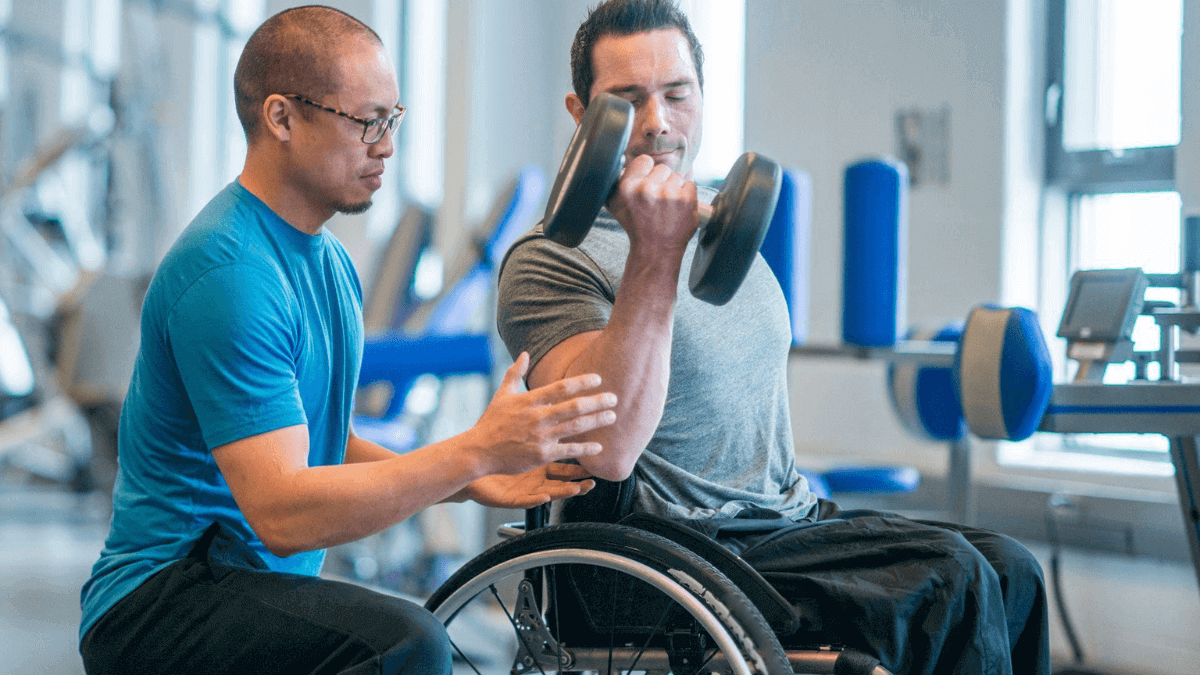
Injuries can disrupt everyday life, making simple activities like walking, lifting, or exercising uncomfortable. Whether the injury comes from sports, work, or daily physical strain, recovery often requires more than rest. Structured rehabilitation and guided exercise can play a key role in healing. This is where an Exercise Physiologist Epping becomes valuable for people seeking effective recovery support within the local community.
Epping is a growing suburb in Melbourne’s northern region, with many residents leading active lifestyles, commuting for work, and participating in sports or fitness activities. Because of this, injuries related to physical activity, posture, or repetitive strain are common. Exercise physiology offers a practical solution that helps individuals recover safely while rebuilding strength and mobility.
Understanding how this approach works can help people in Epping and nearby areas make better decisions about their injury recovery journey.
The Role of an Exercise Physiologist in Epping’s Injury Recovery Support
For residents dealing with injuries or long-term pain, an Exercise Physiologist Epping focuses on improving physical function through carefully designed exercise programs. These professionals assess how the body moves and identify areas where weakness, stiffness, or imbalance may be slowing recovery.
In communities like Epping, many injuries are linked to work environments, gym training, sports participation, or prolonged sitting during commuting. Exercise physiologists evaluate these factors to create rehabilitation plans suited to a person’s daily routine.
Their role often involves:
- Assessing posture, mobility, and muscle strength
- Identifying movement patterns that may contribute to pain
- Creating tailored exercise plans to rebuild strength
- Tracking progress and adjusting exercises as recovery improves
This structured guidance helps individuals recover without placing unnecessary stress on the injured area.
Why Exercise-Based Rehabilitation Is Effective
The body naturally heals over time, but proper movement can significantly improve the recovery process. Muscles, joints, and connective tissues need gradual activity to regain strength and flexibility after injury.
Exercise physiology focuses on controlled movement that supports healing rather than aggravating the injury. Instead of sudden intense activity, exercises are introduced gradually so the body adapts safely.
People recovering from injuries often experience several improvements when following a structured program:
- Increased muscle strength surrounding the injured area
- Better joint mobility and flexibility
- Reduced pain and stiffness during daily activities
- Improved balance and body coordination
These benefits allow individuals to return to normal routines more comfortably and confidently.
Injuries Commonly Seen Among Epping Residents
In a busy suburb like Epping, injuries often occur due to work-related activities, fitness training, or sports participation. Many people also experience physical strain from long hours of sitting or repetitive movement.
Some of the most common conditions that benefit from exercise physiology include:
- Lower back pain from prolonged sitting or lifting
- Shoulder injuries related to work or gym training
- Knee pain caused by sports or joint stress
- Muscle strains from physical labour or sudden movement
- Rehabilitation after orthopaedic surgery
During the rehabilitation process, guidance from an experienced Exercise Physiologist Epping helps individuals gradually rebuild strength while protecting the injured area.
Personalised Exercise Programs for Better Recovery
One of the key reasons exercise physiology is effective is its personalised approach. Every injury is different, and each individual has unique physical demands based on work, lifestyle, and fitness levels.
A rehabilitation program usually begins with a detailed assessment of movement patterns, muscle strength, and flexibility. Based on these findings, a tailored exercise plan is developed to support recovery.
Typical rehabilitation programs may include:
- Strength training to support injured muscles and joints
- Stretching routines to improve flexibility
- Core stability exercises to support posture
- Balance and coordination training
- Gradual return-to-activity plans for sports or work
These programs are adjusted over time to match the individual’s recovery progress.
Long-Term Health Benefits for Epping Residents
Although exercise physiology focuses on recovery, its benefits extend beyond the initial injury. Many individuals notice improvements in overall physical health and movement after completing rehabilitation programs.
For residents in active communities like Epping, maintaining strength and flexibility is important for preventing future injuries. Exercise physiology helps people develop better movement habits and stronger muscles, which can reduce physical strain in everyday life.
Some long-term advantages include:
- Better posture and body alignment
- Increased strength and endurance
- Reduced risk of recurring injuries
- Improved physical confidence during activity
These benefits support healthier lifestyles and help individuals stay active without discomfort.
When People in Epping Should Consider Exercise Physiology
Many people seek exercise physiology support after physiotherapy, medical treatment, or surgery when they want to safely rebuild their physical strength. Others look for professional guidance when persistent pain affects their daily routine.
Exercise physiology may be beneficial when:
- Pain continues after an injury
- Movement feels limited or uncomfortable
- Muscle strength has reduced after inactivity
- A safe return to sports or physical work is needed
With professional support, individuals can follow a structured rehabilitation plan that supports both recovery and long-term health.
FAQs
1. What does an exercise physiologist do for injury recovery?
An exercise physiologist develops personalised exercise programs that help restore strength, mobility, and physical function after injuries or medical conditions.
2. Can an Exercise Physiologist Epping help with sports injuries?
Yes. Exercise physiologists commonly help people recover from sports injuries by improving muscle strength, mobility, and movement patterns.
3. How long does rehabilitation usually take?
Recovery time varies depending on the severity of the injury. Some individuals recover within weeks, while others may require longer rehabilitation programs.
4. Do I need a referral to see an exercise physiologist?
In many cases, a referral is not required. However, referrals from doctors or physiotherapists may sometimes be recommended for specific treatment plans.
5. Is exercise physiology suitable for older adults?
Yes. Exercise physiology can benefit people of all ages, including older adults who want to improve strength, mobility, and overall physical health.
Conclusion
Injury recovery requires more than patience. Without proper rehabilitation, pain, stiffness, and weakness may continue long after the initial injury. Exercise physiology provides a structured and practical approach that helps individuals rebuild strength and restore mobility safely.
For residents dealing with injury-related limitations, guidance from an Exercise Physiologist Epping can make recovery more effective and manageable. Through personalised exercise programs and gradual progress, individuals can return to their normal routines while improving their long-term physical health.
With the right support and consistent effort, exercise physiology offers a practical path toward faster recovery and stronger movement for people living in Epping and surrounding communities.

In recent years, collagen has become one of Australia’s most talked-about wellness supplements. While many people link collagen to skin elasticity, joint support, and healthy ageing, there’s another benefit that often goes under the radar: gut health. More Aussies are now turning to collagen to support digestion, reduce inflammation, and strengthen their intestinal lining.
This article explores the science, benefits, and practical tips behind collagen and gut health, helping you understand how this powerful protein may boost your digestive wellness.
What Is Collagen?
Collagen is the most abundant protein in the human body. It provides structure to your:
- Skin
- Bones
- Muscles
- Connective tissues
- Digestive tract
Your gut lining, especially the intestinal wall, is rich in collagen. When collagen levels decline due to ageing, stress, poor diet, or illness, your gut’s structural integrity can weaken — potentially leading to digestive discomfort or imbalance.
How Collagen Supports Gut Health
1. Helps Repair and Strengthen the Gut Lining
The walls of your intestines are made from proteins, including collagen and amino acids like glycine and glutamine. These components help repair the mucosal lining and maintain a strong barrier.
A healthy gut lining prevents leaky gut—a condition where toxins and particles pass into the bloodstream, causing inflammation and digestive issues.
2. Reduces Gut Inflammation
Collagen contains glycine, an anti-inflammatory amino acid known to calm digestive irritation. This is particularly beneficial for people with:
- IBS (Irritable Bowel Syndrome)
- IBD (Crohn’s, Ulcerative Colitis – always seek medical advice)
- Chronic bloating or discomfort
By reducing inflammation, collagen may support smoother and less painful digestion.
3. Supports Stomach Acid Production
Low stomach acid is surprisingly common and can lead to:
- Bloating
- Indigestion
- Nutrient malabsorption
Collagen helps promote adequate gastric acid levels, supporting proper breakdown of foods and improved nutrient absorption.
4. Supports Healthy Gut Motility
Certain amino acids in collagen help regulate digestion speed, supporting a more balanced digestive rhythm. This is helpful for both constipation and irregular bowel movements.
5. Boosts Beneficial Gut Bacteria
Emerging research suggests collagen may encourage a healthy gut microbiome by supporting an environment where beneficial bacteria can thrive — an essential part of overall digestive wellness.
Types of Collagen for Gut Health
1. Collagen Peptides (Hydrolysed Collagen)
The most popular option in Australia.
Easily digested and great for daily gut support.
2. Gelatin
A natural form of cooked collagen.
Often used in broths, gummies, and homemade wellness snacks.
3. Bone Broth
A traditional, whole-food source of collagen.
Rich in minerals, amino acids, and nutrients that nourish the gut lining.
Who Can Benefit from Collagen for Gut Health?
Collagen may be helpful for Australians who experience:
- Frequent bloating
- Mild digestive discomfort
- Gut inflammation
- Food sensitivities
- Stress-related gut issues
- Poor nutrient absorption
- Ageing-related decline in collagen levels
It’s also widely used by athletes, busy professionals, and older adults who want to support digestion naturally.
Always consult a healthcare professional if you have a medical condition or ongoing gut symptoms.
How to Take Collagen for Digestive Wellness
1. Add Collagen Powder to Drinks
Easy options include:
- Coffee
- Smoothies
- Protein shakes
- Herbal tea
Hydrolysed collagen dissolves quickly and has no taste.
2. Incorporate Bone Broth Into Meals
Try adding it to:
- Soups
- Curries
- Slow-cooked dishes
Bone broth offers both collagen and digestion-supporting minerals.
3. Use Gelatin in Recipes
Gelatin can be added to:
- Homemade gummies
- Puddings
- Healthy desserts
4. Consider Morning or Evening Timing
Many people take collagen:
- Morning – to support digestion throughout the day
- Evening – when the body repairs the gut lining
Either time is effective as long as intake is consistent.
How Long Does It Take to See Gut Health Benefits?
Most Australians notice improvements within:
- 2–4 weeks – reduced bloating and better digestion
- 6–8 weeks – improved regularity and gut comfort
- 8–12 weeks – stronger effects on inflammation and gut lining support
Consistency is key.
Collagen and Gut Health: Are There Any Side Effects?
Collagen is generally considered safe. Minor side effects may include:
- Mild bloating (usually temporary)
- Digestive adjustments as your gut adapts
Choosing a high-quality, Australian-made collagen with no additives reduces the chance of issues.
Choosing the Best Collagen Supplement in Australia
When buying a collagen supplement, look for:
- Grass-fed, pasture-raised sources
- Hydrolysed peptides for better absorption
- A product with no artificial fillers or flavours
- Australian-made for quality assurance
- A brand with transparency and third-party testing
Final Thoughts
The connection between collagen and gut health is becoming increasingly recognised in the wellness world — and for good reason. Collagen supports the gut lining, reduces inflammation, improves digestion, and promotes a balanced microbiome.
Also Read This: Looking to Strengthen Your Independence? NDIS Providers Offer Consistent, Tailored Support for Sustainable Growth

The One Visa Mistake That’s Quietly Ruining Thousands of Australian Migration Plans

Why Waiting Too Long to Contact a Tax Accountant Could Cost You More Than You Think

Why Mediterranean Restaurants Brisbane Are Becoming the Go-To Choice for Group Dining

The Science Behind Melbourne’s Unpredictable Climate: What’s Really Going On?

Felix Cat Food Review: Is It the Right Choice for Your Cat?

Plastic-Free Coffee Makers: Myth or Must-Have?
-
 Melbourne1 year ago
The Science Behind Melbourne’s Unpredictable Climate: What’s Really Going On?
-
 Food10 months ago
Felix Cat Food Review: Is It the Right Choice for Your Cat?
-
Eco Friendly4 years ago
Plastic-Free Coffee Makers: Myth or Must-Have?
-

 Food1 year ago
Best Indian Cuisine in Perth: Top 5 Restaurants You Must Try
-
 Eco Friendly4 years ago
Zero Waste Toothpaste: What’s Worth the Switch and What to Look For
-
 Eco Friendly4 years ago
Plastic Free Packaging: How to Keep Your Business Plastic Free
-
 Eco Friendly4 years ago
How Aussie Businesses Can Reduce Plastic Pollution
-

 Food1 year ago
The 9 Best Foods and Drinks to Enjoy Before Bed for Restful Sleep