
Automotive
Rainy Days in Australia: Which Tyres Offer the Best Grip and Safety?


Australia’s coastal regions are famous for their hot, sunny weather, but when the rainy season hits, it’s a different story altogether. Melbourne, Perth, and other parts of the country are often prone to heavy rainfall, which can make driving a little trickier. When the skies open up, the roads can get slippery, making the right tyres crucial for safety. Whether you’re navigating the wet streets of Melbourne or driving on Perth’s rain-drenched highways, having the right tyres can make all the difference.
Tyres with the right tread patterns and technology will not only improve your grip in wet conditions but can also drastically improve your overall driving experience. In this guide, we’ll review some of the best tyres for wet Australian roads, so you can be confident that you’ve got the best grip and safety when the rain comes down.
Why Are Tyres So Important in Wet Conditions?
Before we jump into the best tyre options, let’s quickly look at why tyres are such a big deal when it comes to wet roads.
- Tread Pattern: Tyres with deep, wide grooves and specific patterns are designed to channel water away from the surface, reducing the risk of hydroplaning.
- Rubber Composition: A good rubber compound increases traction in wet conditions, ensuring that your tyres grip the road more effectively.
- Braking Distance: On wet roads, your braking distance can increase by as much as 20%. The right tyres can minimise this by offering superior wet traction.
So, whether you’re cruising through Perth’s rainy season or braving the wet roads in Melbourne, these factors are key to keeping your car safely on the road.
The Best Tyres for Wet Australian Roads
Now, let’s get to the good stuff — the tyres that perform best when it rains. Here are the top three tyre types you should consider if you want excellent grip and safety in Australia’s wet weather conditions.
- Yokohama ADVAN Sport V105
Features:
- Advanced Tread Design: The V105 features a high-performance tread pattern with advanced water evacuation grooves.
- Water Evacuation: The grooves are specifically designed to quickly channel water away from the tyre, reducing the risk of hydroplaning.
- Strong Performance: It’s designed for high-speed stability, making it perfect for sports cars and performance vehicles.
Benefits:
- Hydroplaning Resistance: The water-draining grooves significantly reduce hydroplaning, which can be a real issue on wet roads.
- Excellent Grip: This tyre provides superior grip in wet conditions, ensuring your vehicle remains stable.
- Quick Response: Ideal for quick handling, making it perfect for sporty driving in rainy weather.
Best For:
- Sports car drivers or anyone seeking superior wet-weather handling and high-speed stability.
- Dunlop SP Sport Maxx RT2
Features:
- Asymmetric Tread Design: The SP Sport Maxx RT2 features a cutting-edge tread pattern designed for both wet and dry road performance.
- Short Braking Distances: The tyre is engineered for better braking efficiency on wet surfaces.
- Improved Traction: Offers increased wet traction, giving you better control, especially on slick roads.
Benefits:
- Increased Wet Traction: Ensures more stability and grip in rainy conditions.
- Shorter Braking Distances: The tyre’s design helps reduce stopping distances, keeping you safe in wet conditions.
- Balanced Performance: Provides a great balance of performance and safety, no matter the weather.
Best For:
- Drivers who need a balance of high-performance and safety in both wet and dry weather conditions.
- Goodyear Eagle F1 Asymmetric 3
Features:
- Asymmetric Tread Pattern: This tyre uses a unique asymmetric tread that improves traction in both dry and wet conditions.
- High-Performance Rubber Compound: The rubber compound enhances grip, especially on wet roads, offering superior braking power.
- Optimised for Highways: Designed for performance on both wet highways and city streets, making it perfect for urban and highway driving.
Benefits:
- Excellent Grip: Its high-performance rubber compound provides exceptional grip, especially during wet conditions.
- Braking Power: Enhanced braking performance on wet roads means you’ll stop faster and safer.
- Road Noise Reduction: The asymmetric design also helps reduce road noise, making for a quieter ride.
Best For:
- Drivers who spend a lot of time on highways or urban streets, especially during rainy seasons.
Comparison Table: Tyres for Wet Weather Driving
Let’s compare the features of these three tyres side by side to make it easier for you to choose:
| Tyre Model | Tread Design | Wet Traction & Grip | Hydroplaning Resistance | Best For |
| Yokohama ADVAN Sport V105 | Advanced water-draining grooves | Superior | High | Sports cars and high-speed driving |
| Dunlop SP Sport Maxx RT2 | Asymmetric tread design | High | Moderate | Drivers seeking performance & safety |
| Goodyear Eagle F1 Asymmetric 3 | Asymmetric, high-performance | Excellent | High | Highway & urban driving |
Performance Comparison of Tyres on Wet Roads
Here’s a table that shows how each tyre performs in terms of wet traction and hydroplaning resistance:
| Tyre Model | Wet Traction | Hydroplaning Resistance |
| Yokohama ADVAN Sport V105 | 9/10 | 9/10 |
| Dunlop SP Sport Maxx RT2 | 8/10 | 7/10 |
| Goodyear Eagle F1 Asymmetric 3 | 9/10 | 8/10 |
When Should You Change Your Tyres?
No matter which tyre you choose, it’s essential to keep track of their condition, especially when it’s wet outside. Here are a few tips to help you know when to change your tyres:
- Tread Depth: Make sure your tyres have at least 1.6mm of tread depth for optimal wet weather performance. Below that, grip can significantly decrease.
- Uneven Wear: If you notice uneven wear, it could be a sign of misalignment or poor tyre pressure, which can affect traction on wet roads.
- Cracking or Bulges: If you see visible damage like cracks or bulges on your tyres, it’s time for a replacement, especially for wet-weather driving.
Australian Weather and Wet Roads
Australia’s coastal regions, including Melbourne and Perth, are no strangers to sudden rain showers and heavy downpours, particularly during the wet season. Having the right tyres can help you stay safe on those slippery, wet roads.
- Melbourne Weather: Melbourne’s weather is famously unpredictable, with heavy rainfall occurring during autumn and winter. The city can also experience a combination of wet and dry roads throughout the year, making tyres with a strong tread pattern ideal for all-weather conditions.
- Perth Weather: Perth generally has a Mediterranean climate, but the rainy season from May to September brings heavy showers that require tyres with excellent wet grip and performance.
Percentage of Drivers Who Choose Tyres Based on Wet Weather Performance
According to a survey of Australian drivers, here’s the breakdown of why tyres are chosen based on wet weather performance:
| Reason | Percentage of Drivers |
| Improved Wet Traction | 40% |
| Better Braking on Wet Roads | 35% |
| Hydroplaning Resistance | 25% |
Conclusion
When it comes to driving in rainy conditions, the right tyres can make all the difference. Whether you’re navigating through Melbourne’s rainy spells or cruising through Perth’s wet season, tyres like the Yokohama ADVAN Sport V105, Dunlop SP Sport Maxx RT2, and Goodyear Eagle F1 Asymmetric 3 will give you the grip, safety, and performance you need.
Make sure you pick tyres that suit your driving style and the typical weather conditions you’ll face. With the right tyres, you’ll not only improve your safety but also enhance your overall driving experience.
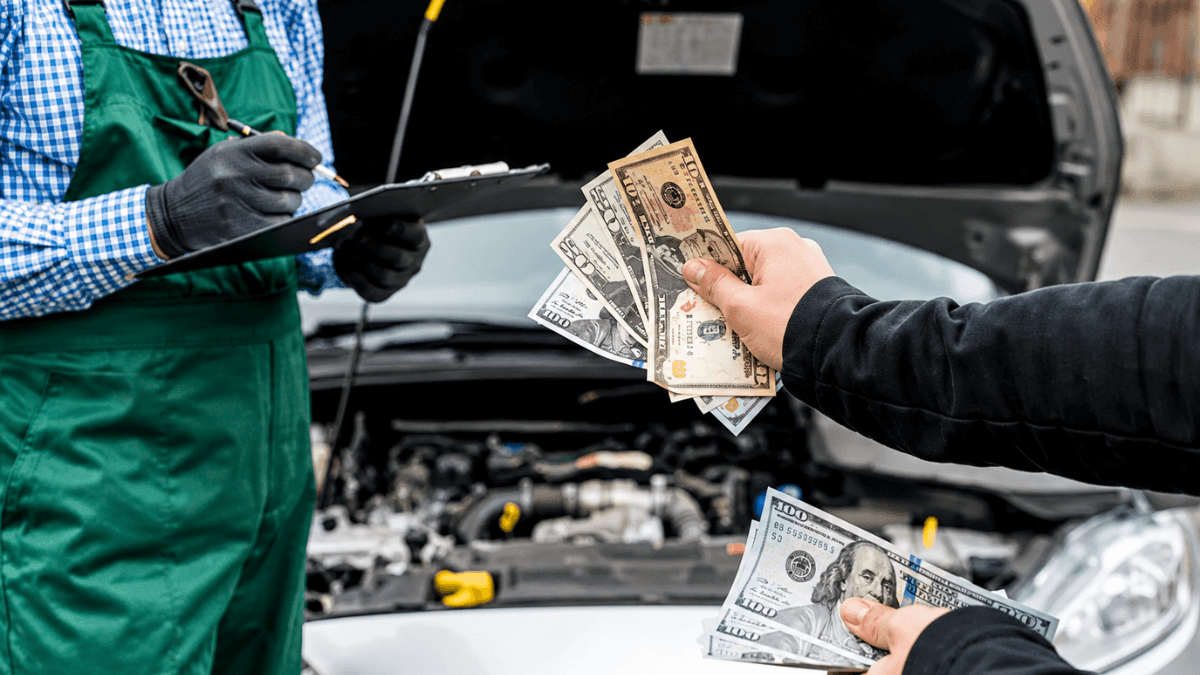
Small Car Problems Rarely Stay Small
Most drivers have ignored a strange noise or warning light at some point. Life gets busy, budgets get tight, and many people assume the issue can wait another week or two. Unfortunately, that decision often turns a simple repair into a major mechanical problem. A small oil leak, worn brake pad, or overheating engine can quickly lead to expensive damage if left untreated for too long.
Cars usually give early warning signs before a serious failure happens. The problem is that many drivers continue using the vehicle until performance gets noticeably worse. By that stage, the damage may already affect multiple components. Mechanics regularly see situations where a quick and affordable fix could have prevented thousands of dollars in repair costs later on.
Why Drivers Delay Visiting a Car Mechanic in Stowe
Many people avoid booking a service because the car still seems to drive normally. Others worry about repair costs or assume the issue is minor. Some drivers also hope the warning light will disappear on its own. While this approach may save money in the short term, it often creates much bigger expenses later.
A qualified Car Mechanic Stowe often deals with vehicles that arrive months after the first warning signs appeared. Common examples include overheating engines, transmission slipping, brake grinding, and battery charging issues. These problems rarely improve without professional attention. Instead, they usually continue damaging nearby systems until the repair becomes far more complex and costly.
The Warning Signs Drivers Should Never Ignore
Modern vehicles are designed to alert drivers when something is wrong. Even small changes in performance can indicate an underlying mechanical issue. Paying attention to these signs can help prevent breakdowns and expensive repairs.
Some of the most common warning signs include:
- Strange knocking or grinding sounds
- Dashboard warning lights
- Burning smells while driving
- Difficulty starting the engine
- Vibrations through the steering wheel
- Smoke from the exhaust
- Reduced fuel efficiency
- Brake squealing or soft brake pedals
Ignoring these symptoms may place extra pressure on the engine, transmission, suspension, or braking system. In some cases, continued driving can even create safety risks for passengers and other road users.
How a Car Mechanic Stowe Helps Prevent Major Repairs
Regular inspections help identify mechanical issues before they become serious. A trained Car Mechanic Stowe can often detect wear and damage that drivers may not notice themselves. Early diagnosis allows smaller parts to be repaired or replaced before surrounding components are affected.
Routine servicing also helps maintain vehicle performance and reliability. During a standard inspection, mechanics usually check fluid levels, filters, tyres, belts, brakes, suspension parts, and battery condition. These checks may seem basic, but they often reveal hidden issues that could later lead to breakdowns or expensive repairs if ignored for too long.
The Cost Difference Between Early Repairs and Major Failures
One of the biggest misconceptions about vehicle maintenance is that delaying repairs saves money. In reality, small repairs are usually far cheaper than fixing major mechanical damage caused by neglect. A minor coolant leak, for example, may cost very little to repair early. If ignored, it can cause the engine to overheat and fail completely.
The same pattern happens with many vehicle problems. Worn brake pads may eventually damage brake rotors. Dirty engine oil can affect engine performance and internal parts. A weak battery may strain the alternator and electrical system. These situations often begin with inexpensive fixes but grow into large repair bills when left untreated for months.
Why Regular Servicing Matters More Than Many Drivers Think
A properly maintained car generally lasts longer and performs better over time. Servicing is not only about fixing existing problems but also about preventing future issues. Experienced workshops offering car mechanic Stowe services often recommend scheduled maintenance based on mileage, driving conditions, and manufacturer guidelines.
Regular servicing can help improve:
- Fuel efficiency
- Engine performance
- Road safety
- Brake response
- Tyre lifespan
- Battery reliability
- Overall resale value
Drivers who maintain consistent servicing schedules are also less likely to experience unexpected breakdowns. This becomes especially important for people who rely on their vehicles daily for work, family travel, or long-distance driving.
The Hidden Damage That Happens Behind the Scenes
Some vehicle problems are not immediately visible to drivers. Internal engine wear, cooling system issues, and transmission damage can slowly develop without obvious symptoms in the early stages. By the time performance noticeably changes, the repair may already involve several damaged components.
For example, low engine oil may gradually increase friction inside the engine. Drivers may not notice anything unusual at first, but over time, this lack of lubrication can damage pistons, bearings, and internal engine parts. Similarly, ignoring suspension issues can affect wheel alignment, tyre wear, and steering control without creating immediate warning signs.
This is why mechanics often encourage preventative maintenance rather than waiting for complete failure. Early inspections provide an opportunity to identify problems before they spread through the vehicle’s systems.
Choosing the Right Car Mechanic in Stowe for Long-Term Vehicle Care
Finding the right workshop plays an important role in keeping a car reliable and safe. Many drivers look for mechanics who communicate clearly, explain problems honestly, and provide practical repair advice without unnecessary upselling. Trust and experience often matter just as much as technical skills.
A reliable Car Mechanic Stowe will usually focus on long-term vehicle health rather than quick, temporary fixes. Good workshops take time to inspect the entire vehicle, identify developing issues, and recommend maintenance that suits the car’s condition and driving habits. This approach helps drivers avoid repeated breakdowns and sudden repair costs.
Vehicle ownership becomes far less stressful when problems are handled early instead of being pushed aside for months. Small repairs, regular servicing, and professional inspections often make the difference between affordable maintenance and a major repair bill that could have been avoided entirely.
Automotive
The Long-Term Value of Car Detailing: How It Keeps Your Car Looking Fresh and Increases Its Market Value


Let’s face it—owning a car in Geelong is practically a rite of passage. Between weekend drives down the Great Ocean Road and zipping to footy training, your car sees it all. But with all that fun comes a fair bit of wear and tear. That’s where Geelong Car Detailing comes in to save the day—and your paintwork.
It’s not just for rev-heads or showroom show-offs. Detailing your car regularly helps it stay cleaner, drive better, and fetch more bucks when it’s time to sell. Simple as that.
What Car Detailing Actually Involves
It’s way more than a quick wash at the servo.
- Exterior Detailing: Hand washing, waxing, polishing, and sometimes even paint correction.
- Interior Cleaning: Vacuuming, shampooing carpets, leather conditioning, and deodorising.
- Engine Bay Clean: Removing grime and grease that builds up under the bonnet.
- Protective Coatings: Ceramic coatings or paint protection film to defend against UV and salt air.
Geelong’s coastal breeze may feel refreshing, but it can quietly rust your ride. A bit of regular detailing keeps it all in check.
How Detailing Protects Your Investment
Most folks think about servicing the engine, but what about your car’s appearance?
- Paint Protection: Regular waxing prevents fading, peeling and oxidation from the Aussie sun.
- Rust Prevention: Removing salt and grit from undercarriage and panels can save you \$\$\$ in repairs.
- Upholstery Longevity: Cleaning spills and dust means fewer cracks in leather or mould in carpets.
- Resale Value Boost: A well-detailed car can increase resale price by up to 15%, according to some dealers.
- Better First Impressions: Whether you’re picking up your in-laws or potential buyers—looks matter.
Think of it like going to the dentist. Painful if ignored, but smooth sailing with regular check-ups.
Why Geelong Locals Are Big on Detailing
From Belmont to Newtown, car pride is alive and well.
- Local roads mean dust, tree sap, and bird droppings—classic enemies of a clean car.
- Being near the sea adds salt spray into the mix, which is brutal on metal and paint.
- Many local businesses offer mobile services—so they come to you while you’re at work or watching the Cats play.
- Detailing services in Geelong are often cheaper than in big cities like Melbourne—winning!
And let’s not forget, a clean car just feels better to drive.
Average Car Detailing Benefits vs Cost Over 5 Years
| Detailing Frequency | Avg Annual Cost (AUD) | Paint Life Extension | Resale Value Boost |
| Twice a year | \$400 – \$600 | Up to 3 years | +10-15% |
| Once a year | \$200 – \$300 | 1–2 years | +5–8% |
| Not at all | \$0 | Paint fades in 2–3 yrs | 0% or negative |
Source: Based on Australian detailing averages and dealership resale data.
As the chart shows, skipping detailing might save you short-term, but it’ll cost you when it’s time to trade in.
Detailing Myths Aussies Should Ignore
Let’s bust a few classics, shall we?
- “It’s only for luxury cars” – Nope. Even your 2008 Corolla deserves some TLC.
- “A car wash does the same job” – Absolutely not. Wash and detailing are chalk and cheese.
- “Too expensive” – Basic detailing starts from just \$150 in Geelong. It’s cheaper than fixing paint damage.
- “Takes all day” – Most full details take 2–3 hours, or even less with express options.
A bit of upkeep goes a long way, just like brushing your teeth—only shinier.
Conclusion
Detailing is more than making your car look good for Instagram. In a place like Geelong where coastal life meets weekend adventures, Geelong Car Detailing helps keep your vehicle in top nick—inside and out.
It keeps the paint sparkling, the seats fresh, and your resale value sky-high. Whether you’re hitting Eastern Beach or parking outside the pub, a detailed car always stands out.
Think of it as giving your car a spa day—and trust us, it deserves it.
FAQs
1. How often should I detail my car in Geelong?
Every 6 months is ideal, especially with the coastal exposure to salt and sun.
2. Is car detailing worth the money?
Absolutely. It maintains your car’s value and appearance, which saves you money long-term.
3. Can I get car detailing done at home?
Yes! Many mobile services in Geelong will come to your driveway or workplace.
4. Does detailing include engine cleaning?
Some packages do. Always ask beforehand—engine bay cleaning helps with resale and maintenance.
5. Can detailing remove scratches?
Light scratches, yes. Paint correction and polishing can often make them disappear.

The One Visa Mistake That’s Quietly Ruining Thousands of Australian Migration Plans

Why Waiting Too Long to Contact a Tax Accountant Could Cost You More Than You Think

Why Mediterranean Restaurants Brisbane Are Becoming the Go-To Choice for Group Dining

The Science Behind Melbourne’s Unpredictable Climate: What’s Really Going On?

Felix Cat Food Review: Is It the Right Choice for Your Cat?

Plastic-Free Coffee Makers: Myth or Must-Have?
-
 Melbourne1 year ago
The Science Behind Melbourne’s Unpredictable Climate: What’s Really Going On?
-
 Food10 months ago
Felix Cat Food Review: Is It the Right Choice for Your Cat?
-
Eco Friendly4 years ago
Plastic-Free Coffee Makers: Myth or Must-Have?
-

 Food1 year ago
Best Indian Cuisine in Perth: Top 5 Restaurants You Must Try
-
 Eco Friendly4 years ago
Zero Waste Toothpaste: What’s Worth the Switch and What to Look For
-
 Eco Friendly4 years ago
Plastic Free Packaging: How to Keep Your Business Plastic Free
-
 Eco Friendly4 years ago
How Aussie Businesses Can Reduce Plastic Pollution
-

 Food1 year ago
The 9 Best Foods and Drinks to Enjoy Before Bed for Restful Sleep