Pets & Animals
Fun Interactive Toys to Stop Dog Boredom

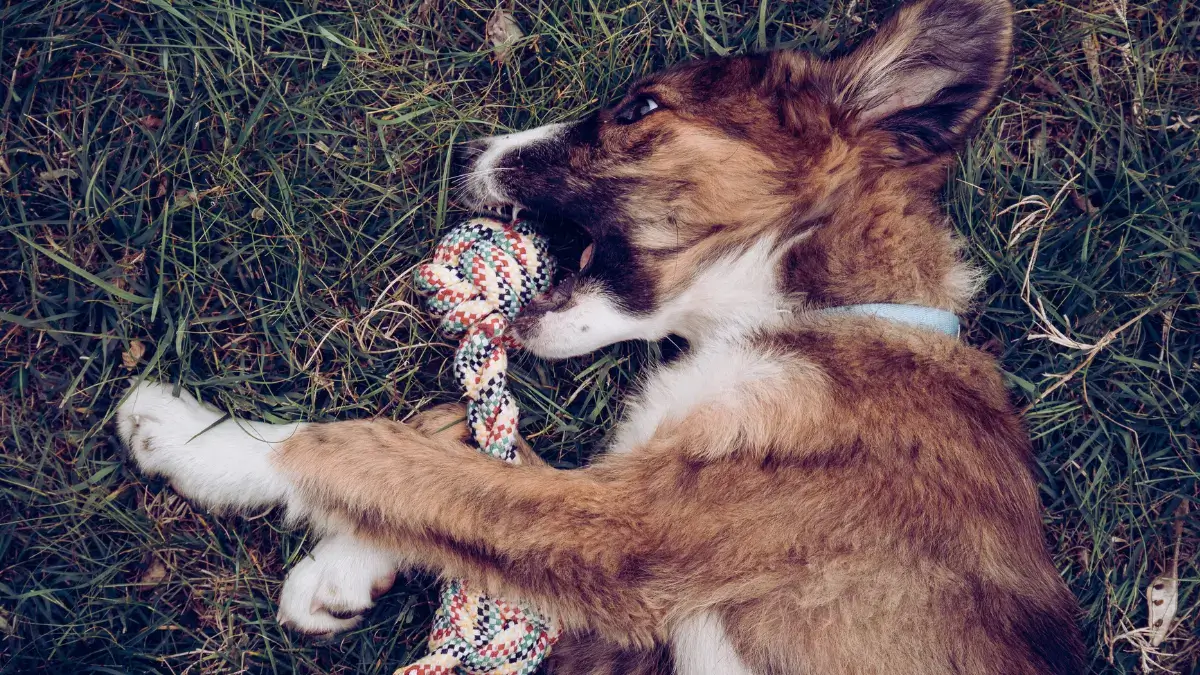
A bored dog is rarely a quiet dog. When a dog does not get enough to do, the energy goes somewhere, and it usually goes into chewing the furniture, digging up the garden, barking at nothing or following you from room to room asking for attention. Interactive toys are one of the simplest ways to give that energy a better outlet.
They are not a replacement for walks, training or time with you. What they do well is fill the gaps: the hours when you are working, the wet afternoons, the times your dog needs to settle. Here is how they work and how to pick the right one.
Why dogs need something to do
Dogs are built to sniff, hunt, chew and solve problems. Those instincts do not switch off just because the dog lives indoors. When there is nothing to work on, the dog makes its own job, and that is usually when the trouble starts.
Interactive toys work because they give a dog a task. A puzzle that hides a treat, a ball that releases food as it rolls, a chew that lasts an hour, all of these engage the brain as well as the body. A dog that has spent twenty minutes working for its dinner is a calmer dog than one that has spent twenty minutes deciding which cushion to destroy.
Used well, they also build confidence. Shy and anxious dogs often come out of their shells when they learn they can solve a problem and get a reward. And for owners, a toy that keeps a dog busy buys you time to get things done without a guilty conscience.
The main types of interactive toys
Most interactive toys fall into a few groups, and each suits a different kind of dog.
Puzzle toys are the thinking games. The dog has to slide, lift or turn pieces to reach a hidden treat. They suit food-motivated dogs and any dog that enjoys working things out. Start with an easy setting and build up, because a puzzle that is too hard just frustrates a dog.
Treat-dispensing balls roll and wobble while dropping kibble or treats out of small openings. They combine chasing, chewing and reward, and they are good for slowing down a fast eater who would otherwise inhale dinner in thirty seconds.
Chew toys are the simplest category. A durable chew gives a dog something safe to gnaw, which satisfies the urge to chew and helps keep teeth clean. The key is matching the hardness to the dog, because a power chewer will destroy a toy meant for a gentle mouth, and a hard toy can damage a puppy’s teeth.
Squeaky and plush toys appeal to dogs that like to carry, shake and gently bite. They are less durable than rubber toys, so they are better for supervised play than for leaving a determined chewer alone with them.
Fetch and tug toys are the ones that get you involved. They build exercise and reinforce the bond between you and the dog, which makes them a good daily habit rather than a boredom fix for when you are out.
Matching the toy to the dog
The right toy depends on the dog in front of you, not on what looks fun in the shop.
Puppies are teething and need soft, chewable toys they cannot break easily. Working breeds such as kelpies, border collies and cattle dogs need real challenges, because they are smart enough to solve a simple puzzle in minutes and move on. Senior dogs often prefer softer toys and slower games, since their jaws and patience both run down with age.
Size matters too. A toy that is too small is a choking risk for a large dog, and a toy that is too big is no fun for a small one. The label usually states a recommended size and breed range, and it is worth taking that seriously.
What the evidence says
It is fair to ask whether interactive toys actually work or whether this is just pet marketing. The practical answer is that they help with boredom and the chewing that comes with it, but they are not a cure for every behaviour problem.
For a healthy dog that is simply under-stimulated, a food puzzle or a long chew genuinely reduces destructive behaviour, because it gives the dog an acceptable job to do. What toys cannot do is replace exercise. A high-energy dog that never gets walked will not be saved by a puzzle, and a dog with true separation anxiety needs training and often veterinary advice, not just a new toy. If your dog is destructive only when you leave the house, or is anxious in other ways, treat that as a behaviour issue and get professional help rather than buying more toys.
How to shop for toys
You do not need a specialist retailer or an expensive brand to find good toys. A few checks will do most of the work.
Read the durability and safety labels, and match them to your dog’s size and chewing strength. Look at the materials: solid rubber and reinforced nylon stand up to serious chewers, while thin plastic and loose stuffing do not. Avoid toys with small parts that can be pulled off and swallowed. Washable toys are a practical bonus, because anything that lives on the floor gets dirty fast.
Rotate the toys you own. A dog that sees the same three toys every day loses interest, but bringing one back after a week away makes it feel new again. You do not need a big collection, just a small one that you cycle through.
A happier dog, one toy at a time
Interactive toys are not accessories or luxuries. They are a straightforward tool for keeping a dog occupied, exercised and out of trouble. The right toy, matched to the dog and rotated so it stays interesting, will do more for your furniture and your dog’s mood than almost anything else you can buy.
If your dog looks bored or starts making their own entertainment, start there. Give them a job to do, supervise the first few sessions, and you will probably find that a busy dog is a much easier dog to live with.


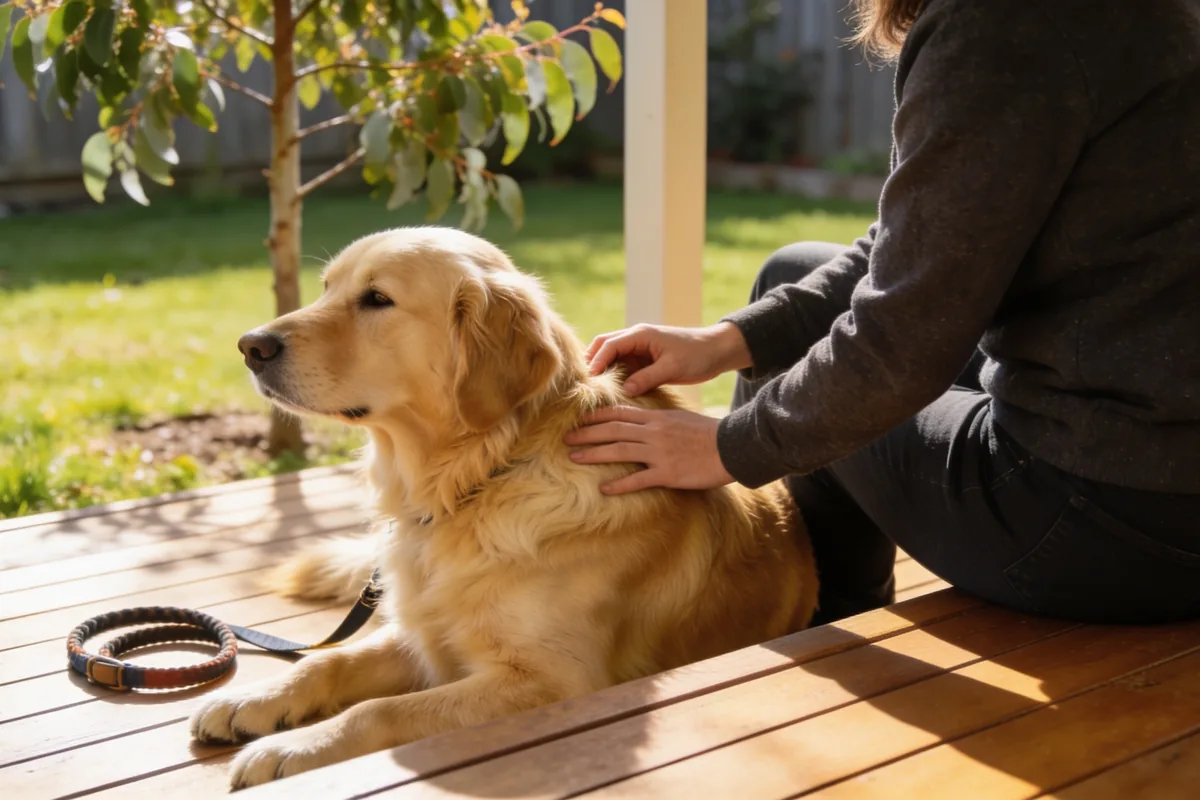
Your hand stops on a lump behind the ear. You part the fur to look, and there it is: a grey-blue tick, legs tucked in, already attached. For the next few minutes, what you do matters more than you might think.
So here is the plain version, up front. Do not panic. Do not squeeze it. Do not reach for the matches or the methylated spirits. Get the tick off cleanly, then call your vet. This guide covers which ticks are actually dangerous, how to do the daily check that catches them early, the right way to remove one, and the signs that mean drop everything and go.
Which ticks are the dangerous ones
Australia has plenty of ticks, but only one is the one that matters for dogs: the paralysis tick, Ixodes holocyclus. It is common along the eastern seaboard, roughly from north Queensland down to eastern Victoria, and it is the species behind the illness vets call tick paralysis. Its stronghold is the humid coastal strip, so dogs living near the coast or in bushy, damp areas see the most of it. Inland dogs are not immune, but the pressure is lower.
The bush tick is the one people confuse with it. It is a different species, mostly harmless, and it does not cause paralysis. That comparison matters because the two look similar to an untrained eye, especially once they have been feeding for a while. The honest rule is simple: if you cannot tell the difference, treat it as a paralysis tick. Do not gamble on the identification, because the cost of being wrong is high and the cost of being cautious is only a phone call.
The way the paralysis tick does its damage explains why the timing is so tight. Its saliva carries a toxin that affects the nervous system, and the longer the tick feeds, the more toxin it can pass. A tick found early and removed quickly is a very different situation from a tick that has been feeding for days. That thread runs through everything that follows: find it fast, remove it fast, call the vet.
Timing across the year matters too. The highest risk runs through spring and summer, roughly August to December in most of the tick zone, but in warmer coastal areas the risk is real year-round. Tick season is not a tidy calendar thing, and a mild winter does not pause it. If you live in a known tick area, the daily check is a habit for every season, not just the warm one.
The daily check that takes ten minutes
The best treatment for tick paralysis is not finding the tick. It is finding it early, before the toxin has done its damage. That is the job of the daily check, and it is the single most effective thing an owner can do.
Prevention products help. They reduce the risk, and they are worth using properly and on schedule. But no product is one hundred per cent effective, and that is not a secret the manufacturers are keeping. It is the reason the hands-on check is the backstop, and the reason every vet will tell you to do it even when your dog is on prevention.
The routine takes about ten minutes and works best in the same order every time.
- Run your fingers through the coat against the grain, slowly, over the whole body. You are feeling for bumps, not looking, because your fingers catch what your eyes miss.
- Check the places ticks love: the head and the ears, inside and out, the collar area, under the chest and the armpits, the groin, and between the toes.
- Do it after every bushwalk in tick country, and daily through peak season.
A feeding tick can feel like a small pea, a scab or a raised mole, so anything that does not feel like normal skin is worth a closer look. Do the check in good light, because the ears and the belly are hard to see in a dim room, and use your phone torch if you need it. Ticks are not always easy to see on a dark or thick coat, which is exactly why the fingers do the job the eyes cannot. For a big or wriggly dog, a second person makes it easier, and it turns the check into a two-minute job instead of a wrestling match.
Where the tick attaches changes how quickly you notice it. One behind the ear or on the head tends to be found sooner, while one between the toes or under the collar can hide for days. That is why the routine covers the whole dog and not just the obvious spots.
If you have just brought home a new dog, start this habit on day one rather than waiting for the first tick. My guide to making a rescue dog's first week feel safe covers the settling-in side, and the tick check belongs in that routine from the start.
You found a tick. Now what?
Found one. Okay. Here is what to do, in order.
- Keep the dog calm. Easier said than done when you are the one panicking, but a calm dog is easier to work with, and a struggling dog makes a clean removal harder.
- Do not squeeze the tick’s body, and do not apply heat, alcohol, methylated spirits, essential oils or any chemical irritant. The old trick of making it back out on its own is exactly wrong: any of those can make the tick release more toxin into the dog.
- Remove it as quickly as you can. Use a tick twister or fine-tipped tweezers, hooking under the tick’s body close to the skin and lifting gently and steadily. The aim is the whole tick out, without squeezing its body.
- If the tick breaks and part stays in the skin, clean the area and tell the vet. Do not dig around in the skin to chase the rest of it.
Removal methods vary between clinics. Some Australian vets recommend killing the tick in place first with a registered tick-killing spray and then removing it, rather than pulling a live tick off. If your own vet has told you to do it a particular way, follow that instruction. This article is the general version, and your vet is the specific one.
A good light and a second pair of hands make a real difference. Have someone hold the dog’s head or body still while you work, and if the tick is somewhere fiddly, like inside the ear or between the toes, go slowly and do not rush the job. A tick that is very small may need the magnifier on your phone so you can see what you are hooking under.
When the tick is out, drop it into a small jar with a lid if you can. It helps the vet confirm the species, and it saves a guess. Write down roughly when you found it and when you removed it, because the vet will ask, and the answer helps them judge the risk. Then ring your vet. Not tomorrow, and not “if he seems off”. Now.
Why you still go to the vet
If you take one thing from this article, take this.
The toxin keeps working after the tick is gone. Removing the tick stops the supply, but any toxin already in the dog’s system keeps doing its job. Symptoms can appear or get worse for twenty-four to forty-eight hours after removal.
That means a dog who looks perfectly fine when the tick comes off can still become unwell later that night or the next day. Taking a dog to the vet after a tick is not overreacting. It is the standard advice, and it is what a vet would tell you to do every single time.
Tick paralysis is treatable, and it is most treatable when it is caught early. If the dog is already showing signs, the vet may give an antiserum and keep the dog for observation, because the breathing can be affected and that needs watching. The details depend on the dog and on how far things have progressed, which is exactly why a professional needs to make that call rather than you hoping for the best at home.
The progression is worth understanding, because it helps you recognise what is happening. Tick paralysis usually starts in the back end: a wobble in the hind legs, a change in the voice, a bit of retching. From there it can move to the whole body and, in the worst cases, to the muscles that control breathing. It can move quickly or slowly, which is why no one can give you a safe “wait and see” window.
The signs that are an emergency
Some signs mean you do not wait for the morning. You go now.
- A change in bark or voice. The dog sounds different, hoarse, or as if something is stuck in its throat. This one is easy to miss if you are not listening for it, and it is often an early sign.
- Wobbliness or weakness in the back legs. The back end is usually the first thing to weaken.
- Vomiting or retching, sometimes with nothing coming up.
- Drooling, gagging or coughing.
- Laboured, noisy or fast breathing. This is the one that can escalate fastest.
Any one of these, after a tick or during tick season, is an emergency. Some dogs show only one sign, while others show several, so trust the change rather than waiting for a full set. Do not wait to see if it passes, and do not watch for another hour to check. Get to the nearest vet now, and call ahead on the way so they know you are coming and can be ready.
Keep the dog quiet and calm in the car. Excitement and stress can make the signs worse, so no games and no “cheering it up”. Just a steady, quiet trip to the vet. And if you are unsure whether something counts, that is what the phone call is for. A vet would rather take a cautious call than hear about it later.
What NOT to do
The myths around tick removal are stubborn, and some of them are dangerous. So here is the no list, straight.
Do not squeeze the tick’s body. Squeezing can push more toxin into the dog. This is the single most important “do not” on the list, and it is the mistake behind most of the old home remedies.
Do not burn it off with a match, a lighter or a lit cigarette. You will hurt the dog, and the tick will not come away cleanly. You will also be dealing with a burn on top of a tick.
Do not cover it in alcohol, methylated spirits, tea tree oil, petroleum jelly or nail polish. None of those make a tick back out safely, and several can make things worse while you wait.
Do not pull it off with your bare fingers. It is nearly impossible to pull a tick off without squeezing its body when you use your fingers, and you are also exposing yourself to the tick’s fluids.
Do not wait to see if symptoms appear before you act. By the time symptoms show, the toxin has been working for a while. The tick comes off now, and the vet gets the call now.
If you do nothing else right, get these two right: get the tick off without squeezing its body, and call the vet.
Keeping the yard and the routine safe
Prevention around the home is not complicated, and most of it is about making the yard less tick-friendly.
Keep the grass and shrubs short, because ticks wait on vegetation for a host to brush past. Clear leaf litter and piles of garden debris where ticks like to sit and wait. Be extra careful after walks in long grass or bushland, and do the check as soon as you get home rather than after dinner, because otherwise the tick stays on the dog for the whole car trip and the whole evening.
Ticks ride in on wildlife and on the dog’s own coat. That is why the yard work helps but never replaces the check. A dog can pick up a tick in a quick dash into long grass, and no amount of tidying stops that. It is also why the check matters after every outing in tick country, not just the long bushwalks.
Risks vary by neighbourhood. Some coastal suburbs carry far more ticks than others, so it is worth asking your local vet what the tick pressure is like where you live and following their advice on prevention. They know the local pattern better than any general guide can.
Exercise and enrichment are part of a settled dog’s daily life too, and the yard is where a lot of it happens. My guide to fun interactive toys that stop dog boredom covers the enrichment side of the same routine, for the days when the walk is not enough.
Check the dog before you check the weather
Tick season is a fact of life for dogs on the east coast, and it is manageable. Daily check. Sensible prevention. Know the emergency signs. That is the whole system, and it fits into about ten minutes of your day.
You are not being paranoid. You are being a good owner. The dog cannot check itself, and it cannot tell you that its back legs feel funny or that its bark has changed. That is your job, and you now know exactly what to look for and what to do about it.
So make it a habit. Ten minutes, fingers through the coat, ears, collar, armpits, groin, toes. Check the dog before you check the weather, every day through the season, and you have done the single most useful thing available.
Sources:
- RSPCA NSW – how to protect pets from paralysis ticks
- Australian Veterinary Association (VetVoice) – paralysis tick prevention and removal
- Pet Circle veterinary team – ticks on dogs guide

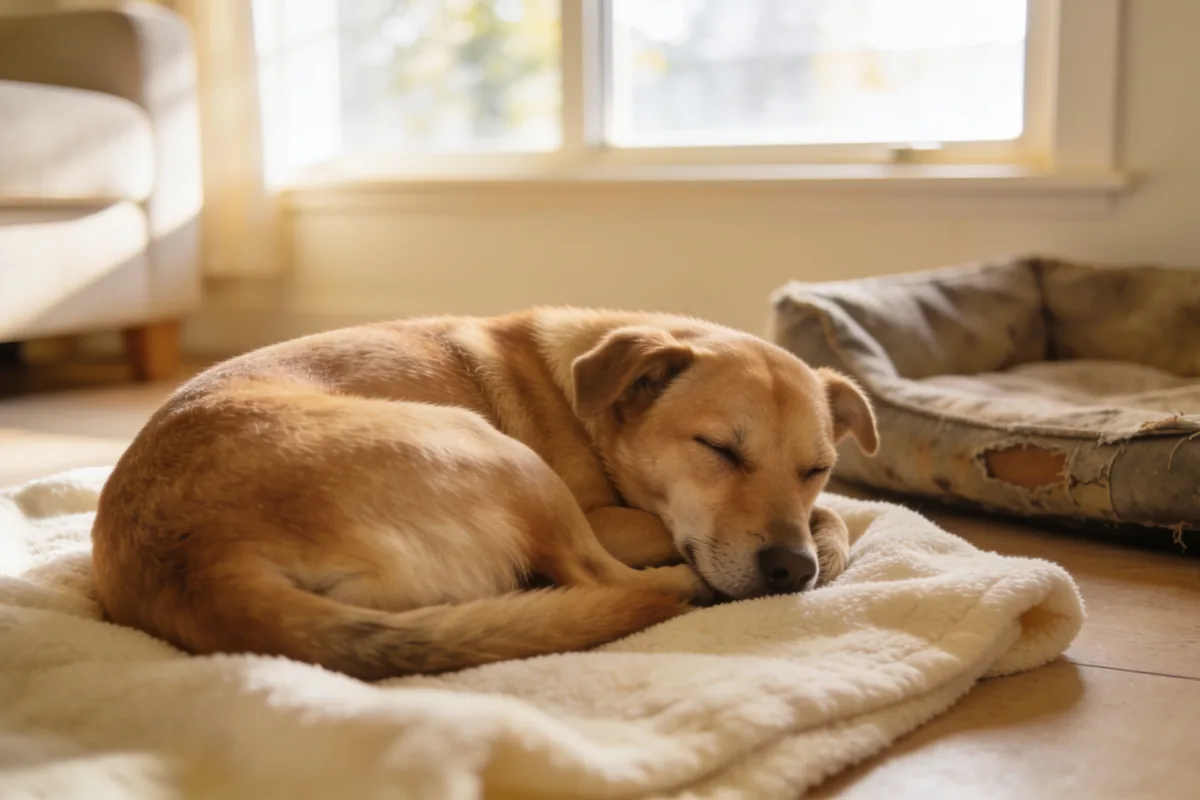
Why the first week sets the tone
Think about what a rescue dog has just been through. Whatever the backstory, they have left a place they knew, however imperfect, and landed in a stranger’s home with new smells, new sounds and new people. Most dogs handle this better than we expect. Some do not, at least not at first.
That is why the first week matters so much. It is not the week to prove how clever your training is or how organised your household can be. It is the week to help a worried animal feel safe. If your new dog hides under the table, refuses dinner or seems flat and uninterested, that is adjustment, not failure. You have not done anything wrong, and neither has the dog.
Every dog that comes through a shelter or rescue has their own story. Some have simply been surrendered by a family who could not keep them. Others have come from harder situations, and those dogs may carry more wariness with them. You will not always know the full history, and you do not need to. What matters is that the dog in front of you needs time and patience, whatever came before.
Keep that thought close for the next seven days. A calm, quiet, predictable week does more for a rescue dog than any amount of intense training ever could.
Before you bring them home
A little preparation makes day one calmer for everyone. You do not need a shopping marathon, just the essentials ready before the dog walks through the door.
Pick a quiet room or a corner where the dog can retreat. Put a bed there, plus food and water bowls, and a collar and lead that fit. Ask the shelter or foster carer what food they have been feeding and buy the same brand, because a sudden change in food can upset a dog’s stomach in the first days. Book a vet check for the first week so a professional can give the dog a once-over and you can ask your questions.
It also helps to dog-proof the space in advance. Check the fence for gaps, decide which rooms are off limits, and put anything you do not want chewed or knocked over out of reach. A tired rescue dog exploring a new home will get into things, not out of mischief but out of curiosity, so removing the temptation makes the first days easier for both of you.
If you live in an apartment, think now about where the dog will toilet, how much exercise the space allows and how the lift or stairs will work. There is more to weigh up than you might expect, and our guide to apartment living in Australia walks through the questions worth asking before you choose. Those practical details are easier to sort before the dog arrives than while you are holding a lead and a bag of kibble.
The 3-3-3 rule explained
You will hear the 3-3-3 rule mentioned by shelters and rescue groups, and it is worth understanding before you panic in week one. It goes like this. Three days to stop feeling overwhelmed. Three weeks to start settling into the routine of your home. Three months to truly bond and relax.
It is a guide, not a timer. Every dog is different, and some rescues take longer than the rule suggests. A dog that has been through a lot might need six months before they fully trust you. That is normal, and it is not a sign that anything went wrong.
The rule is not a scientific law, it is a widely used rehoming guideline, and it exists because it matches what rescue workers see again and again. The dog that seems shut down in week one is rarely the same dog in month three, and knowing that in advance changes how you read their behaviour.
The reason the rule is worth knowing is simple. It stops people giving up in week one. When you understand that a hiding dog is still in the overwhelmed stage, you can be patient instead of worried, and patience is exactly what a rescue needs most.
The first day and first night
Keep the homecoming quiet. One or two calm people is plenty. Do not throw a house tour or invite a crowd of visitors to meet the new arrival on day one, no matter how excited the kids are. Let the dog come out in their own time and explore at their own pace.
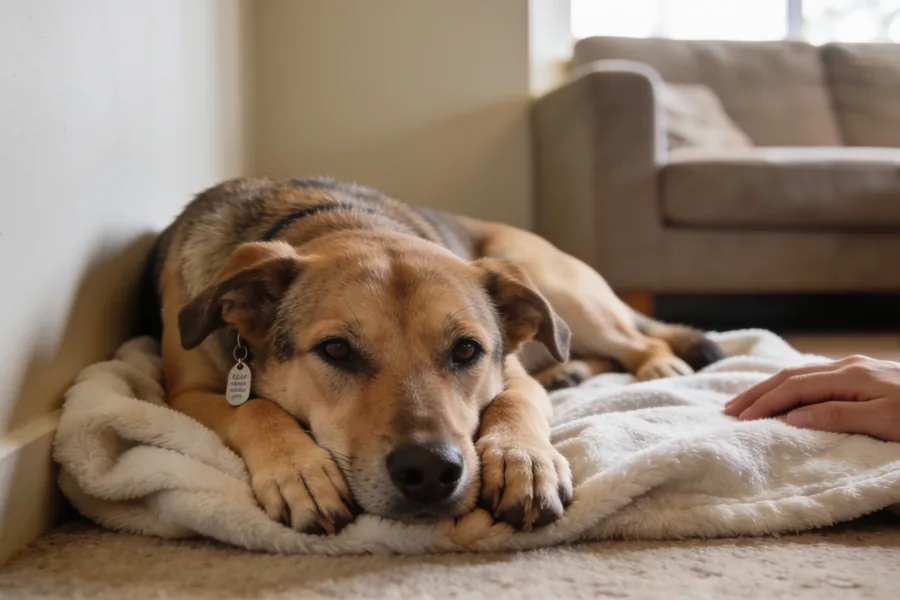
Toilet breaks work best on a regular schedule. Take the dog out first thing in the morning, after meals, after naps and last thing at night, and praise them quietly when they go in the right spot. Accidents in the first days are common and they are not defiance. A rescue dog does not yet know the rules of your house, so your job is to show them, gently, not to scold them for guessing wrong.
For the first night, decide on a sleeping spot that feels safe and keep it consistent. Having the dog sleep near you is fine if that is what you are comfortable with. Expect a restless night or two. A dog in a new place may pace, whine or want company at 2am. That settles as the routine takes hold.
If you can, take a couple of days off work when the dog first arrives. It makes a real difference to be there for the settling-in period, so the dog learns that coming home to you is safe, and so you can establish the routine from day one rather than piecing it together around a workday.
Building a routine
Routine is the quiet magic of the first week. Feed at the same times each day, walk at the same times, toilet at the same times. Dogs read patterns far better than they read words, and a predictable day tells a rescue dog that this place is safe and nothing bad is coming.
Introduce the rest of the household gradually. Kids should learn to give the dog space, especially around food and sleep, and to approach calmly rather than chasing or grabbing. If you have existing pets, do the introductions short, supervised and calm, then give everyone space. Forcing two animals to be best friends on day one usually backfires. Slow and steady wins here. When kids and a new dog share a home, a little extra attention to keeping kids toys and pet areas clean goes a long way.
Walks in the first week should be short and low pressure. The goal is not fitness, it is letting the dog burn a little energy and get used to the smells and sounds of your neighbourhood on a loose lead. Keep the walks to the same route at first, and add new ground slowly.
When you do need to leave the dog alone, start with short absences and build up. A dog that has been through rehoming can find being left frightening at first. Leaving a puzzle toy or a stuffed treat toy can help them cope with the alone time and give them something calm to do while you are out. Once your dog has settled in, fun interactive toys to stop dog boredom are a proven way to keep them busy and out of mischief when you are not home.
Reading your dog’s signals
A rescue dog cannot tell you in words that they are overwhelmed, so they show you with their body. Learn to read the quiet signals. Hiding, lip licking when there is no food around, a tucked tail, pacing, a loss of appetite and not wanting to be touched are all ways a dog says they need space.
Some of these signals are easy to misread. A dog that yawns a lot, for example, is often not tired, they are stressed. A dog that turns their head away from you is asking for room, not being rude. The more you watch your dog when things are calm, the easier it becomes to spot when something is off.
When you see those signs, the kindest thing you can do is back off and give them room. Do not force affection. Do not follow a hiding dog into their corner to reassure them, however much you want to. Let them choose when to approach you. A dog that is allowed to come to you on their own terms learns much faster that you are safe than one that is cornered into being petted.
This is hard for people who just want to love the dog. But space is love to a scared animal, and the reward comes later when the dog starts seeking you out for pats and leaning against your leg.
Give it time
The most important thing you can give a newly adopted rescue dog is time. Time to decompress, time to learn your routines, time to trust. The dog you see in month three is rarely the dog of week one. Given patience, a quiet home and a steady routine, most rescues bloom into confident, affectionate companions who seem like a completely different animal.
If something worries you along the way, ask for help early. A vet is the right first stop for health concerns or a dog that is not eating. If behaviour is not settling after a few weeks, a force-free trainer or behaviourist can work with you on a plan. And never forget the shelter or foster carer who knows the dog, they have seen how this dog responds to new situations and their advice is gold.
Try not to measure your first week against someone else’s highlight reel. Another adopter’s dog may have settled in three days, and yours may still be hiding under the bed, and both of those are normal. Your job is not to keep up with anyone. Your job is to be the steady, safe place your dog learns to trust at their own speed.
For now, in this first week, keep your expectations small and your patience large. Let the dog hide. Keep the routine steady. Sit on the floor and let them come to you. A rescue dog does not need you to be perfect, they need you to be steady, and steady is something you can absolutely do.
Sources:
- RSPCA Australia, Adopting and rehoming pets
- PetRescue, Bringing your new dog home
- Australian Veterinary Association, Getting a new dog

It Is Not a Holiday: What Short-Term Accommodation Actually Pays For

Booking, Not Hailing: How Accessible Taxis Actually Work, and What Most People Never Ask For

One Car or Two? Working Out How to Move a Group Without the Shuffle

The Science Behind Melbourne’s Unpredictable Climate: What’s Really Going On?

Plastic-Free Coffee Makers: Myth or Must-Have?

Zero Waste Toothpaste: What’s Worth the Switch and What to Look For
-
 Melbourne1 year ago
The Science Behind Melbourne’s Unpredictable Climate: What’s Really Going On?
-
Eco Friendly4 years ago
Plastic-Free Coffee Makers: Myth or Must-Have?
-
Eco Friendly4 years ago
Zero Waste Toothpaste: What’s Worth the Switch and What to Look For
-

 Automotive1 year ago
Wet Weather Tyres in Australia: What to Look For and When to Replace Them
-
 Eco Friendly4 years ago
Plastic Free Packaging: How to Keep Your Business Plastic Free
-
 Eco Friendly4 years ago
How Aussie Businesses Can Reduce Plastic Pollution
-
 Home & Garden1 year ago
Boost Productivity and Mood with a Deep Cleaned Space
-

 Financial1 year ago
How to Secure the Best Car Finance Deal: Tips for Negotiating and Saving Money