
Style & Beauty
A Winter Capsule Wardrobe: How to Build One Without Buying Everything New

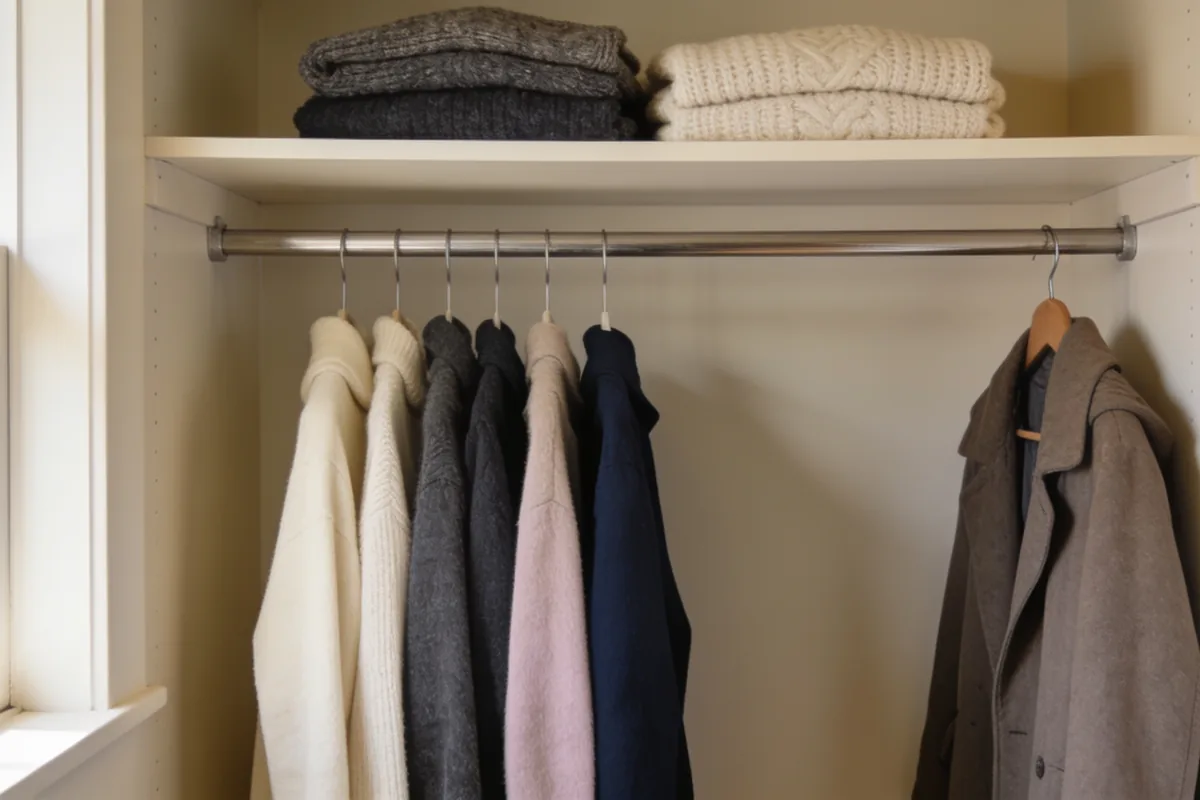
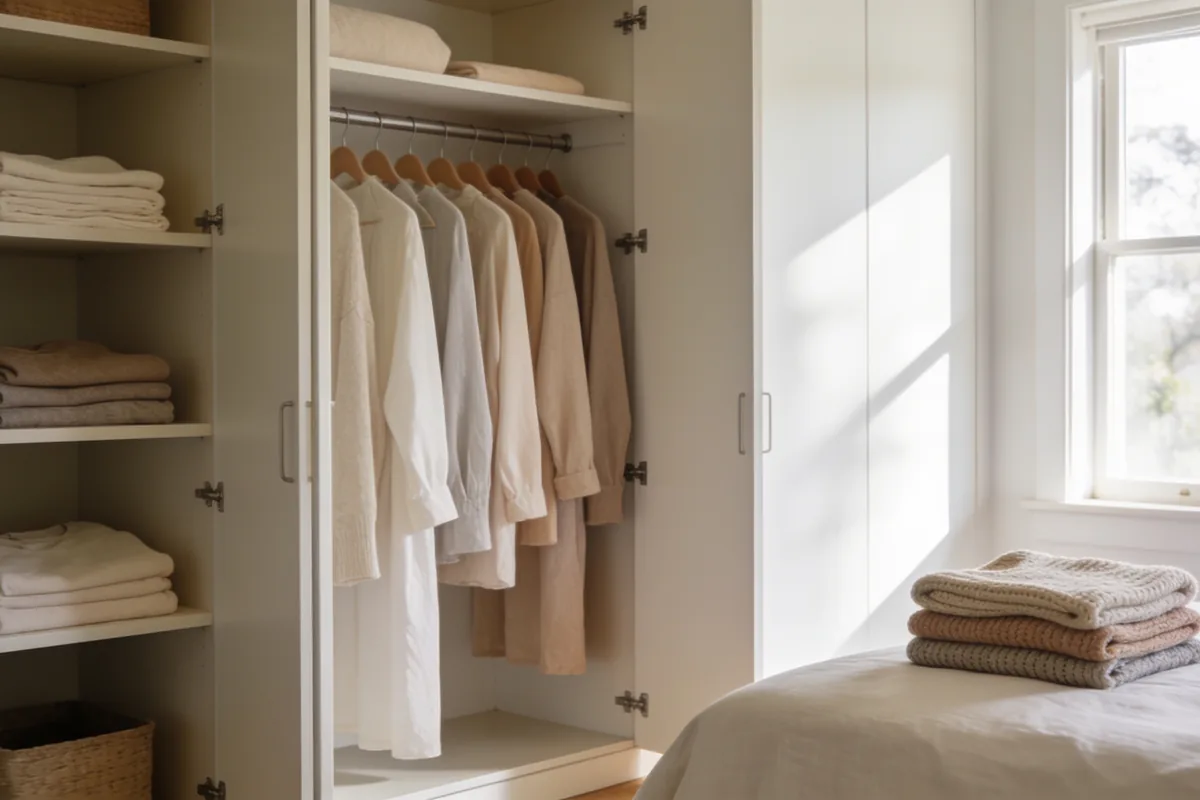
The winter wardrobe problem
You know the feeling. It is a cold winter morning, you are already running late, and you are standing in front of a wardrobe absolutely full of clothes with nothing to wear. Every top is the wrong colour for every bottom. Everything you actually like is in the wash. So you grab the same old faithful jumper you have worn three times this week and head out the door feeling vaguely annoyed.
Here is the thing. The problem is probably not that you do not own enough clothes. Most of us own plenty. The problem is that you cannot see what goes with what, because your wardrobe is a collection of singles rather than a set that works together. You have bought pieces in lots of different colours and styles, each perfectly nice on its own, and none of them talking to each other.
A capsule wardrobe is the simple fix, and here is the good news. You probably already own most of it. Building a capsule is mostly editing and arranging, not shopping. You are not starting from zero with an empty rail and a big budget. You are starting from a full wardrobe and learning to see the useful parts of it.
What a capsule wardrobe is (and is not)
A capsule wardrobe is a small set of clothes that all work together. Every top goes with every bottom, so any combination looks fine and the morning decision takes about ten seconds. You reach in, you pull something out, it matches, you leave.
That is the whole promise, and it is a genuinely lovely one. Instead of building an outfit from scratch every morning, you have a rail where everything already fits together. The mental load of getting dressed drops dramatically, and you get out the door on time.
Now for what it is not, because the internet has made “capsule wardrobe” sound like a punishment. It is not extreme minimalism, and you do not need to own eleven items and wash your one good jumper every second night. It is not about throwing everything out and starting fresh with a beige uniform. It is an editing method that suits real life. You keep the clothes you actually wear and love, let go of the ones you do not, and organise what is left so it works as a set. Real life has work days and school runs and the occasional nice dinner, and a capsule that fits your actual life is the only kind worth building.
Start by editing, not shopping
The first step of building a capsule is the opposite of what most of us instinctively do. Do not go shopping. Go through what you already own, because a capsule is mostly subtraction, and you will be surprised how much of it is already hanging in your wardrobe.
The three-pile method is the simplest way to do it. Take everything out of the space you are working on and make three piles. The first is keep: clothes you wear often, love, and feel good in. The second is try-on: the stuff you are unsure about, which stays for now. The third is pass on: things that do not fit, are worn out, or are simply not you anymore.
Be honest with the third pile, especially about the clothes you have not touched since last winter. If a jumper has sat at the back of the wardrobe for a whole cold season without being worn, it is telling you something. Pass it on and free up the space.
Editing a wardrobe is really the same calm, clear-space idea as editing a cluttered room or giving your home a deep clean. When you clear out the things you do not use, the things you do use become visible, and the whole space starts working for you instead of against you.
Pick a small palette that all works together
The trick that makes a capsule effortless is simpler than it sounds. Everything you keep should sit in a small colour palette, so any two pieces naturally go together.
Choose two or three neutrals that you like and that suit you. Navy, charcoal and cream is a classic winter trio. Black, grey and white works too. Brown, cream and olive is lovely if warm tones are more your thing. Then add one accent colour you genuinely love. A rust red, a forest green, a dusty blue. That is the whole palette.
Why does this work? Because colour is what makes clothes clash. When everything sits in the same small palette, you can barely get it wrong. A navy top goes with charcoal trousers because they are both neutrals. The cream jumper goes with everything. You stop owning clothes that only go with one thing, because nothing only goes with one thing anymore.
If you are not a neutral person, do not panic. The same idea works with your own colours. If your wardrobe is full of colour, pick your two or three most-worn colours as your palette and build around them. The method is not about forcing yourself into beige. It is about limiting the range so everything mixes, and the range is yours to choose.
This is the step where people feel the most resistance, because it means letting go of the odd bright piece that matches nothing. You do not have to get rid of every piece outside your palette. But the more you keep inside it, the easier every morning gets.
The winter basics that earn their place
Once you have edited and picked your palette, you will find that most winter capsules revolve around the same kind of basics. Here is a brand-free list of the pieces that earn their place in an Australian winter wardrobe. Adjust it to your life, because your version is the only one that matters.
A couple of good jumpers or knits. These are the workhorses of winter. Warm enough for a cold morning, easy to layer, and surprisingly versatile. Two or three in your neutrals will carry you through most of the season.
A warm coat or jacket. This is the piece you put on over everything, so it does a lot of the work. One good coat in a neutral will make every outfit underneath it look intentional.
A few long-sleeve tops. Plain, comfortable and in your palette, these are the layering base. They sit under jumpers, under the coat, and on their own on milder days.
One or two pairs of trousers or jeans. Dark jeans or trousers in a neutral go with every top you kept. This is where the everything-matches magic actually happens.
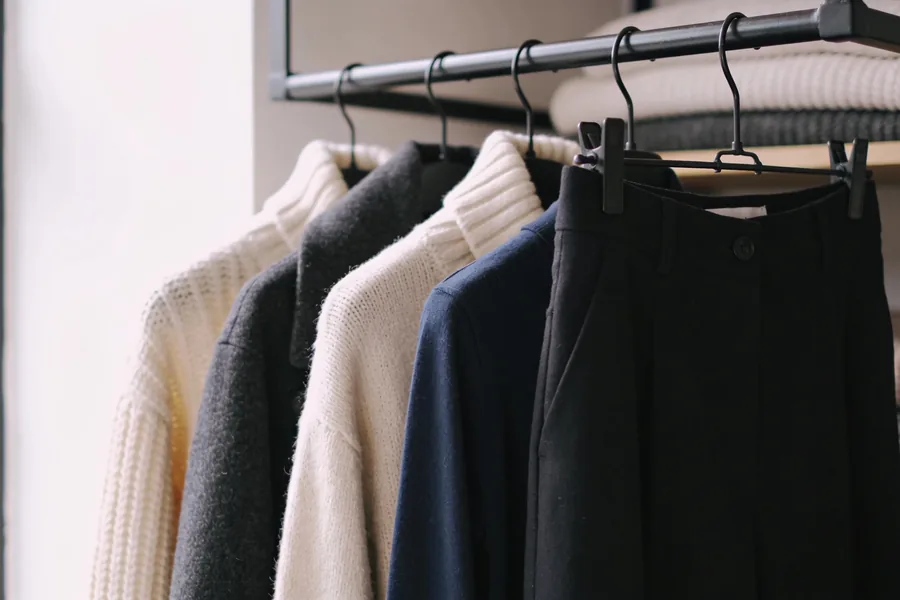
A skirt or dress or two, if that is your thing, so you are not living in trousers all winter. They layer beautifully with tights and the jumpers.
Shoes that actually get worn. Not the heels you keep for weddings, the boots or sneakers you reach for every week. A couple of pairs that work with your whole palette are worth more than a shelf of occasion shoes.
One honest note. This list is a guide, not a rulebook. If you never wear dresses, do not keep one just in case. If you live in jeans, keep more jeans. The point is not the specific pieces. It is that each piece earns its place by working with the rest. If something only goes with one outfit, it is a candidate for the pass-on pile.
Making it last (and resisting the new-shiny pull)
A capsule wardrobe only works if the pieces in it last, which brings us to the quieter side of the method. Buying better rather than more, and looking after what you already have.
When you do add something new, buy the best quality you can afford. A good wool jumper that lasts ten winters is better value than a cheap one that pills by the end of its first. Check the care labels before you buy and again before you wash, because a label that says dry clean or hand wash is not being fussy. It is protecting the garment.
Here is the wear-it-thirty-times test, the friendliest anti-impulse rule I know. Before you buy anything new, ask whether you will wear it at least thirty times. If the honest answer is yes, it is probably worth the money and the space. If the honest answer is maybe once or twice, it is not a wardrobe addition. It is a one-off purchase that will end up in the try-on pile next year.
And a gentle word about the new-shiny pull. Every season, fashion tries to convince you that your clothes are suddenly wrong and you need whatever is new to feel current. That is how the trend cycle works. Trendy seasonal fashion can be fun to look at, but following it piece by piece is exactly how you end up with a wardrobe full of singles that match nothing. Your own taste will serve you far better than the trend cycle ever will.
Own less, wear more
A capsule wardrobe is really for something simple. It is not about owning as little as possible, and it is not about dressing like someone else. It is about owning things you actually wear, and getting your mornings back.
There is a real freedom in opening the wardrobe and knowing that everything in it works. No more standing there at 7am feeling like you have nothing, surrounded by plenty. No more buying the same black jumper for the fifth time because you cannot see what you already own. Just a small rail of clothes you love, all of which go together, all of which you will actually wear.
Start small. Not the whole wardrobe, just one drawer or one rail. Edit it down, keep what works, and live with it for a week before you touch the next section.
You will probably find, as most people do, that you wear the same handful of things anyway. A capsule just makes that honest, and it makes the rest of your clothes work for you instead of taking up space. Own less, wear more, and keep the money you would have spent on the things you never wore.
Sources:
- ACCC, Care labelling for clothing and textiles







The wardrobe problem we all know
You know the feeling. The wardrobe is stuffed. Hangers crammed so tight you have to tug to get anything out, shelves stacked with jumpers you forgot you owned, and yet every morning you stand there and say the same thing. I have nothing to wear.
It makes no sense, and yet it is one of the most common problems in any house. The clothes are there, lots of them, but they are not working as a wardrobe. Somewhere in that pile are the pieces you actually love, buried under the ones you do not.
Here is the good news. Fixing it does not require a brutal all-or-nothing clean out. This is a gentler way to edit your wardrobe down so the clothes you love are actually findable. You keep what you genuinely wear, you let go of the rest without guilt, and you end up with a wardrobe that works on a Tuesday morning, not just in a magazine.
Start with what you reach for
Before you throw anything out, take a week or two and notice what you actually wear. Not what you think you should wear, or what you hope to wear after those few kilos. What you reach for on a normal Tuesday.
That pile of favourites is your honest starting point, and it is probably smaller than you expect. Most of us wear a small fraction of what we own. The same few jumpers, the same two pairs of jeans, the same three dresses rotate through the week while the rest of the wardrobe hangs there, untouched and slightly reproachful.
There is nothing wrong with you for this, and it is useful information. The clothes you reach for are telling you what you love: they fit, they feel good and they suit your real life. Decluttering is not about becoming a different person. It is clearing the way for the person you already are.
Take everything out (yes, all of it)
This is the one slightly annoying step that makes everything else easy, so I am going to ask you to do it properly. Take everything out of the wardrobe. Every single thing. Coats, shoes, the weird scarf someone gave you, all of it.
It feels worse before it feels better, and that is normal. You will look at the mountain on your bed and wonder how it all fit. But emptying the wardrobe lets you see the whole picture at once, instead of the same few items at the front, and it forces you to make a decision about each thing rather than letting it hide.
As you take things out, sort them into rough piles. Keep in one spot, maybe in another, repair in a third, donate in a fourth. Do not overthink the sorting as you go. You will have a chance to be honest with the maybe pile later.
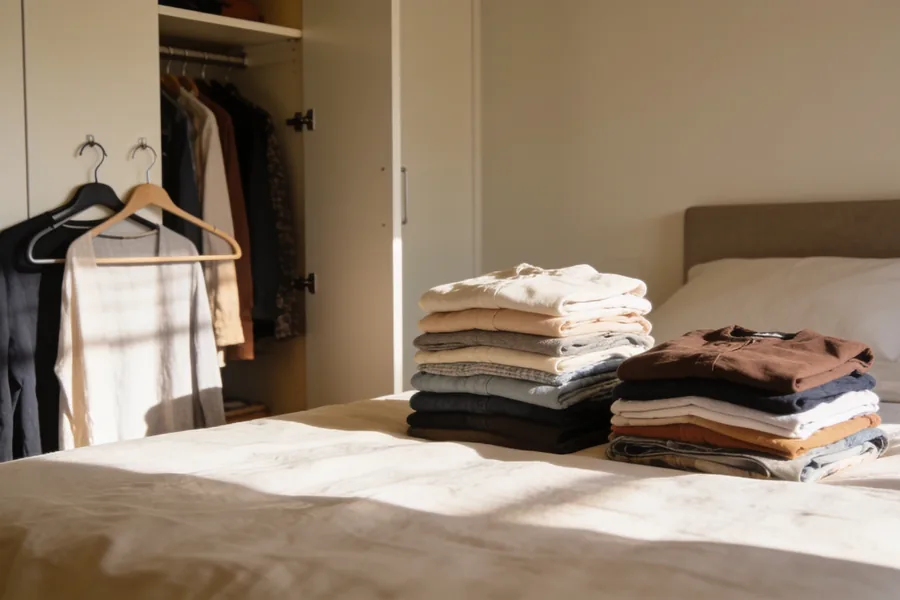
And while the wardrobe is empty, wipe down the shelves and the rail. It takes two minutes, it makes the space feel fresh, and you will not get another chance this easy for a while. Make it a morning with a cuppa, not a marathon. This is the annoying middle bit, not the end result. Clearing a space out is the same feeling as editing a cluttered room or giving your home a deep clean, and it lifts the mood the same way.
The keep pile first, and the honest questions
Now the nice part. Build the keep pile first, because that sets the tone. Keep what you genuinely wear and love now, not what you loved once or might love again. What you reach for and feel good in, which is exactly the pile you already noticed in step one.
For everything else, especially the maybe pile, ask a few simple, honest questions.
Does it fit and feel good? Not “it fits when I hold my breath”. Does it fit, right now, and feel comfortable?
Is it in good condition? If it has a stain that will not come out or fabric that has gone bobbly beyond saving, it is not doing you any favours hanging there.
Does it go with things you kept? A piece that only goes with one other thing will sit unworn again. A piece that works with several things you kept will earn its place.
Have you worn it in the past year? Two fair passes first. Occasion wear, the dress for weddings and funerals, gets a pass even if it has not been out in a while. Genuine seasonal items get a pass if they were worn in their season. Everything else that has sat for a full year is telling you something.
If a piece is only being kept out of guilt, because it was expensive or a gift or you feel you should like it, that is the pile to let go of. The money is spent either way. Keeping it does not get it back, it just takes up space and makes you feel vaguely bad every time you see it.
This is also the moment to be honest about your style rather than the trends. Popular seasonal fashion can be fun to look at, but the pieces you will actually wear are the ones that suit your life. Keep the ones that feel like you, not the ones that feel like a look you admired on someone else.
Repair, alter, then donate
You will probably find a small pile of things that are almost right. A missing button. A hem that has come down. A favourite jacket that just needs a new zip. These are worth a repair pile, but only if you are honest about the next part.
Are you actually going to get it done? If you have a sewing kit and the confidence to fix a button, brilliant, do it this week. If the repair needs a tailor and you have been meaning to go for six months, be honest. A truly beloved piece is worth one trip to a tailor. But if it is only being kept because it could be nice once fixed, and you know you will not take it, it belongs in the donate pile.
Donate the clean, wearable rest. Op shops across Australia are always glad of good-quality clothing, and passing things on means someone else gets real use out of them. Things that are truly worn out can be recycled where your council offers it, or binned as a last resort.
There is no room for guilt trips here, including about the money you spent. The money was spent the day you bought them. What you are doing now is freeing up space and letting the clothes go to someone who will wear them, which is a better ending than hanging unworn for another three years.
Put it back so it stays that way
This is the step that makes the decluttering last, because a wardrobe you can actually use stays tidy far longer than one you have to fight.
Put like with like. All the jumpers together, all the shirts together, all the trousers together. When you can see everything in one category at once, you stop buying the same black jumper for the fifth time because you could not see the four you already own.
Keep your everyday favourites at eye level. The things you reach for most should be the easiest to reach. Put occasion wear and out-of-season things higher up, where they are not taking up your daily attention.
Use the drawer space for folded basics. Jumpers, t-shirts and knitwear stack beautifully, and a neat stack is easier to see than a pile balanced on a shelf.
And when the wardrobe starts to drift, as it will, because wardrobes do, give it a ten-minute tidy rather than waiting for it to become a project again.
If you live somewhere with limited storage, making a smaller wardrobe work matters even more, and a few clever habits go a long way when space is tight in an apartment. The goal is not a wardrobe that looks like a museum. It is one that is easy to use every day.
Start with one rail
Let me be honest about what this will not give you. It will not turn you into someone with eleven items and a colour chart, and it will not require a big spend on new storage boxes.
What it will give you is a wardrobe that works for your real life. A rail of clothes you actually wear, all of which you can see, all of which fit and feel good. Mornings get faster when you are not digging through a pile of things you never wear to find the one jumper you love.
And you do not need to do the whole thing at once. Start with one rail, or one drawer, or even just the jumpers. Edit that down, see how good it feels to open that one space and find exactly what you want, and let that feeling carry you to the next section.
The clothes you love are in there somewhere. They have been all along. They were just buried under everything that is not them. Give yourself a cuppa, an honest afternoon, and permission to let go of the rest. Future you, standing in front of a wardrobe that finally works, will thank you for it.
Sources:
- The Salvation Army Australia, Donating clothing

Autumn in Australia is a strange and lovely season. It is not quite summer and not quite winter, and the weather spends a good month or two refusing to make up its mind. One day you are in a singlet, the next you are reaching for a jacket before you leave the house. You know the feeling if you have ever tried to dress for a Melbourne morning that starts cold, warms up by lunch and turns chilly again by the time you head home.
The trick is not to fight it. Autumn is the season for layering, and once you lean into that, getting dressed actually becomes fun. Here is how to build a small, practical autumn wardrobe that keeps you comfortable without sacrificing style.
Why autumn fashion works here
Australian autumns are mild compared with the northern hemisphere. There is no deep freeze to dress for, just a pleasant crispness in the air that makes a chunky knit feel like a warm hug. Daytime temperatures tend to sit somewhere between 12 and 22 degrees, which is the sweet spot for layering. You can add a scarf in the morning and take it off by the afternoon, and nobody thinks twice.
The season also brings out the best colours. The leaves turn, the light goes a little golden, and suddenly the earthy tones in your wardrobe make sense. Autumn is the one time of year when dressing like the scenery feels entirely right.
The pieces that carry the season
You do not need a huge wardrobe, just a few reliable pieces that mix well together.
The denim jacket is the classic autumn layer for a reason. It goes over dresses, tees and knitwear, and it never seems to look out of place. Melbourne girls tend to pair a denim jacket with ankle boots for an easy city look, while in Perth a lighter wash suits the sunnier days. It is the jacket you reach for when you cannot decide, which makes it worth owning.
Chunky knit sweaters are the comfort piece of the season. Go oversized and soft, in a neutral or a rich jewel tone, and you have something that works over a tee or under a jacket. Wool and cotton blends keep you warm without making you overheat, which matters when the afternoon turns mild.
Boots do a lot of the heavy lifting in autumn. Ankle boots and Chelsea boots are the obvious picks, and leather or suede adds texture as well as warmth. A low heel keeps them comfortable enough for a full day out, whether you are navigating Melbourne’s weather or just heading down the street for coffee in Perth.
Finally, layered tees and scarves add warmth without bulk. Long-sleeve tees sit nicely under knitwear, and a soft scarf in cashmere, merino or a chunky knit instantly makes an outfit feel finished. A patterned scarf is an easy way to add personality to an otherwise plain coat or jacket.
A palette that looks like the season
If you want your autumn clothes to mix and match easily, stick to a warm, earthy palette. Burnt orange adds a pop of colour without shouting. Olive green is easy to pair with almost anything. Mustard yellow is bright but grounded, and deep browns in chocolate and chestnut shades are the backbone of the season. Add plaids and checks if you like a classic autumn pattern, and you have a wardrobe where everything works together.
The good news is you do not need to buy all of it at once. A few pieces in these colours will mix with what you already own, which keeps the wardrobe fresh without the expense of starting over.
Mixing textures is the real secret
Layering is not just about warmth. It is your chance to play with texture, and that is what makes an autumn outfit look intentional rather than accidental. Combine denim with knitwear and a touch of leather and you have a look that is weather-ready and interesting. A leather boot with a chunky knit and a denim jacket is about as effortlessly Australian as it gets.
Do not be afraid to contrast soft and rugged fabrics. A delicate knit over a sturdy pair of jeans, or a wool scarf with a leather jacket, gives the eye something to enjoy. Texture mixing is the easiest way to make a simple outfit look considered.
Dressing for your city
Where you live changes how you should build your autumn wardrobe. In Melbourne, be ready for temperature swings and the occasional shower. Versatile jackets and scarves are essential, a darker palette suits the moody skies, and a pair of waterproof boots is practical without looking it. In Perth, the season is usually drier and sunnier. Lighter layers work better, lighter denim washes suit the coastal light, and slip-on boots and open scarves carry you through the milder evenings. Sunglasses and a hat often stay in the rotation well into autumn.
Build a small wardrobe you will actually wear
The best autumn wardrobe is not the biggest one, it is the one you reach for without thinking. Invest in a few versatile basics, keep to a palette you love and let texture do the styling work. Choose clothes that perform as well as they look, and you will stop standing in front of the wardrobe wondering what to wear.
There is something quietly satisfying about getting the layering right, too. When you are warm enough, comfortable enough and dressed for the day the weather actually delivers, you can stop fussing with your clothes and get on with enjoying the season. That, more than any trend, is what autumn style is really for.

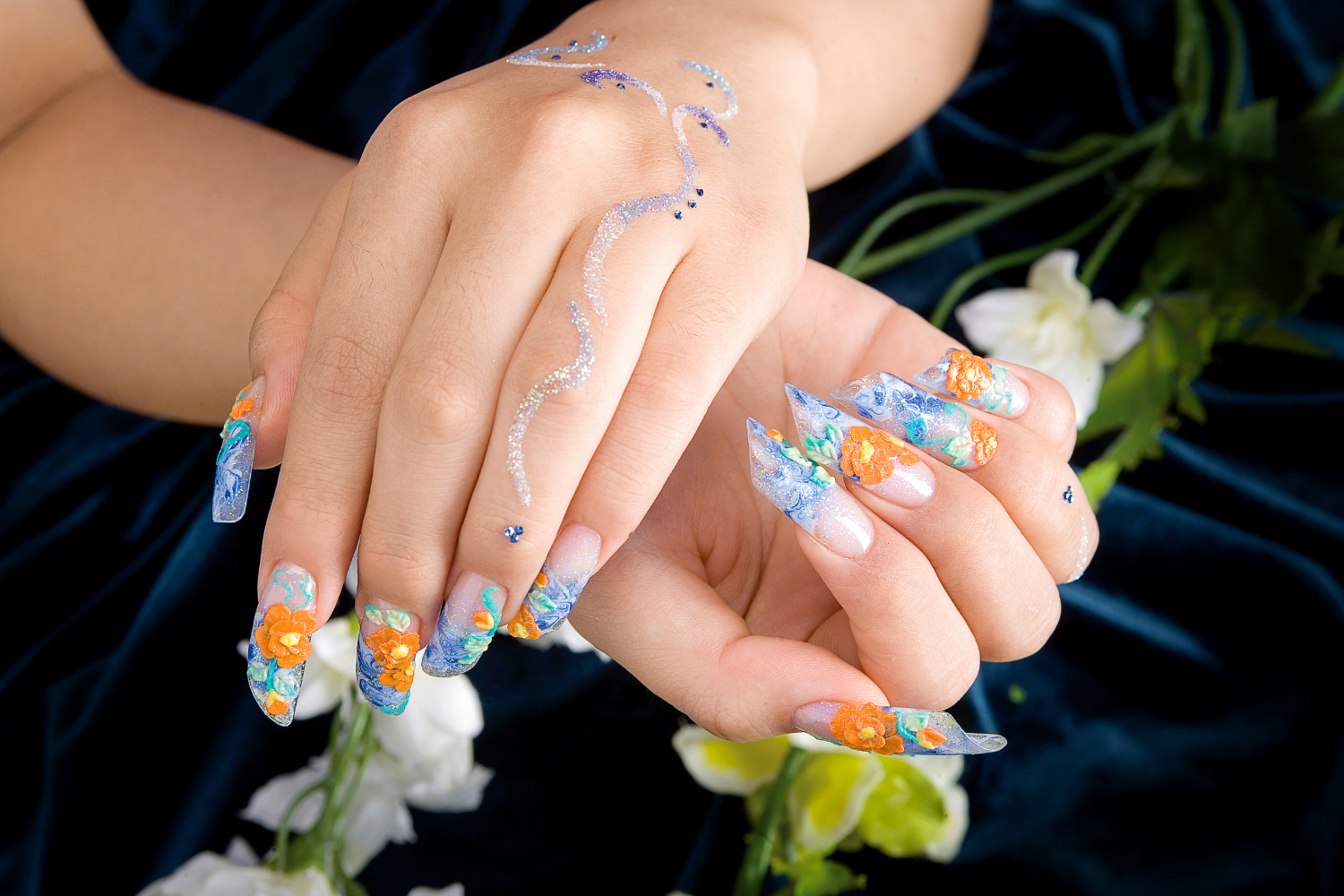
Nail art has grown from a salon extra into a full way of expressing yourself. A simple colour, a delicate pattern or a full set of intricate designs can say a lot without you saying a word. But if you want to keep your natural nails healthy underneath, it pays to look at both sides before you commit to the regular appointment.
The good news is that nail art is not automatically bad for your nails. The results depend on the products, the technique and, most of all, the habits around it. Here is a clear look at the pros and cons, and how to enjoy the fun without wrecking the nail underneath.
The upside of nail art
For most people, the appeal is obvious. Nail art is a low-cost way to experiment with your look, and the options run from subtle to loud. You can match your nails to a season, a holiday or an outfit, then change them in a few weeks.
It can also encourage better nail habits. People who keep up a manicure tend to moisturise more, use cuticle oil and pay attention to their hands. That regular care, if it is gentle, is genuinely good for your nails.
And there is a confidence side to it. There is something quietly satisfying about looking down at well-kept nails, whether you are heading to a job interview or just out to dinner. That small self-care moment is a legitimate part of the appeal.
The downside: what to watch for
The risks come down to three main things: chemicals, extensions and technique.
Many traditional nail polishes contain ingredients such as formaldehyde, toluene and dibutyl phthalate, which can dry out the nail and cause irritation over time. Some people develop redness or itching around the nail, and prolonged exposure is not ideal for anyone. The fix is simple enough: look for polishes labelled five-free or ten-free, which cut the worst of the chemicals, and water-based polishes are gentler again.
Acrylics and gel extensions are a bigger commitment. They give you length and strength, but the application and removal involve harsh chemicals, and they can thin and weaken the natural nail underneath. If the extension lifts, moisture can get trapped and lead to a fungal or bacterial infection. Constant coverage also stops the natural nail from breathing and makes it harder to grow a strong nail underneath.
Then there is the filing and drilling. Shaping the nail is part of the process, but aggressive filing thins the nail plate, and heavy drilling can damage the nail bed. Done badly or too often, that leads to peeling, uneven growth and nails that break far too easily.
How to protect your natural nails
You do not have to give up nail art to keep your nails healthy. You just need a few ground rules.
Always use a base coat. It sits between the polish and your nail, stopping staining and giving the colour something to grip, which means you need fewer coats and less harsh removal.
Moisturise as part of the routine. Cuticle oil keeps the skin around the nail soft and prevents hangnails, and a decent hand cream does the same for the nail itself. Jojoba oil and vitamin E oil are both good natural options.
Give your nails a break. A few weeks of polish followed by a week or two bare lets the nail recover, and it is the best way to spot problems early. During the break, keep up the oil and let the nail grow.
Choose gentler products. Five-free or ten-free polish, water-based options and proper removal rather than peeling or picking all make a real difference. If you use acrylics or extensions, have them applied and removed by someone who knows what they are doing, and do not let them stay on longer than recommended.
Questions about nail art and natural nails
How often should you take a break between manicures? Every two to three weeks is a reasonable rhythm for most people, or after a few rounds of polish, give the nails a week or two off.
Can you have nail art if your nails are already weak? It is better to let damaged nails recover first. Use strengthening treatment and skip the harsh chemicals until they are in better shape.
Are there gentler alternatives to acrylics? Gel and dip powder nails are often less damaging when applied and removed properly. The technique matters as much as the product.
How do you stop dark polish staining your nails? A good base coat prevents most staining, and removing polish promptly rather than leaving it on for weeks helps too.
What should you look for in nail products? Non-toxic polish labelled five-free or ten-free, a decent base coat, cuticle oil and a nourishing hand cream cover most of what your nails need.
Nail art you can live with
The balance between beauty and health is not hard to strike once you know what to look for. Nail art is a lovely way to express yourself, and with a base coat, regular breaks and gentler products, there is no reason it has to cost you the health of your natural nails. Treat the nail underneath as the thing you are actually caring for, and the designs on top become a bonus rather than a trade-off. Pretty nails and healthy nails are not either or. They are the same goal.

Food Waste in Australia: Why Your Veggies Die Early and How to Stop It

How to Declutter Your Wardrobe Without Losing the Clothes You Love

School Refusal in Australia: A Calm Guide for Parents When Your Child Won’t Go

The Science Behind Melbourne’s Unpredictable Climate: What’s Really Going On?

Plastic-Free Coffee Makers: Myth or Must-Have?

Zero Waste Toothpaste: What’s Worth the Switch and What to Look For
-
 Melbourne1 year ago
The Science Behind Melbourne’s Unpredictable Climate: What’s Really Going On?
-
Eco Friendly4 years ago
Plastic-Free Coffee Makers: Myth or Must-Have?
-
Eco Friendly4 years ago
Zero Waste Toothpaste: What’s Worth the Switch and What to Look For
-
 Eco Friendly4 years ago
Plastic Free Packaging: How to Keep Your Business Plastic Free
-
 Eco Friendly4 years ago
How Aussie Businesses Can Reduce Plastic Pollution
-
 Food1 year ago
The 9 Best Foods and Drinks to Enjoy Before Bed for Restful Sleep
-

 Automotive1 year ago
Wet Weather Tyres in Australia: What to Look For and When to Replace Them
-
 Eco Friendly1 year ago
Eco-Friendly Food Wrapping: Safe Papers for Sustainable Living