
Financial
Refinancing Your Car Loan: When It Is Worth It, and What It Costs

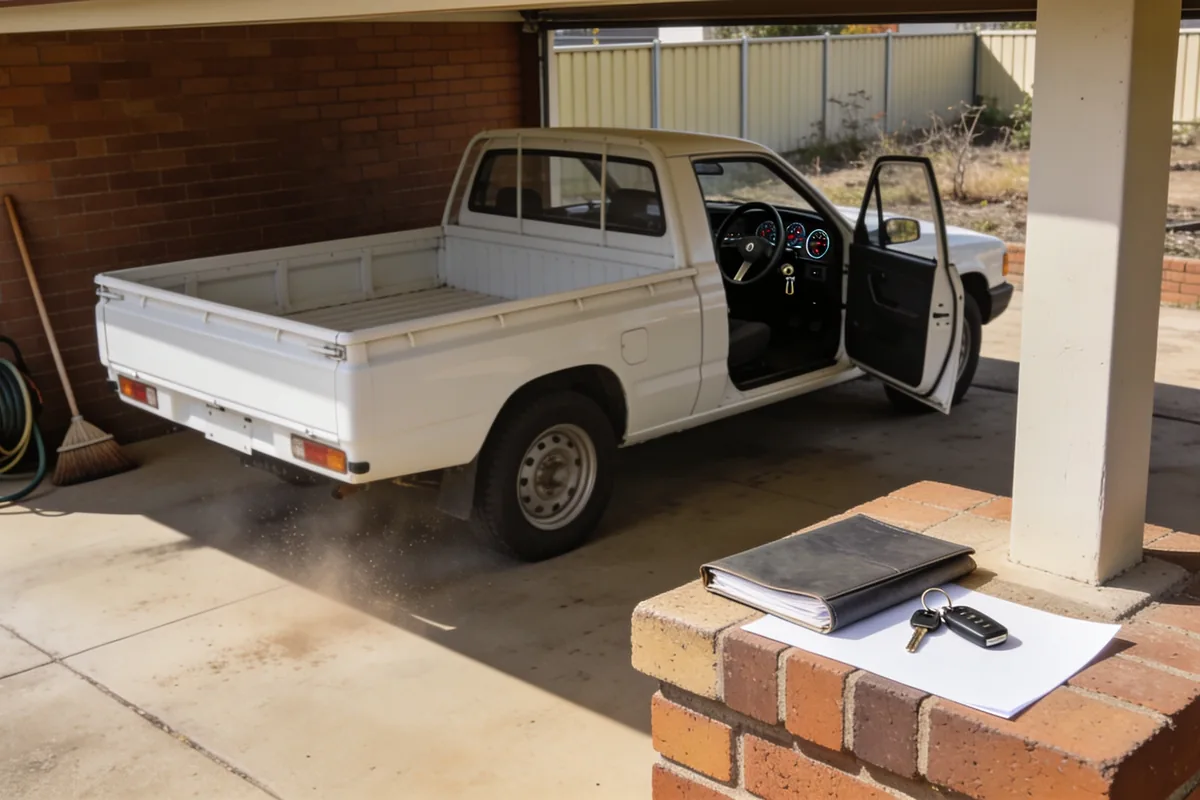
- Refinancing replaces the loan, not the car. A new contract pays out the old one and you keep driving the same vehicle.
- What changes is the lender, the rate, the term, the repayment and the fees. What does not change is the debt, or the fact that the car is still the security.
- The number that settles more than any advertised rate is your payout figure, and it comes with an expiry date.
- It can be worth doing, and it can be a way of paying more for longer. Both are true, and the difference is usually in the term.
- And there is one case where refinancing is the wrong conversation entirely. That one gets its own section.
Two years into a five-year loan, plenty of people start wondering whether the deal they signed still fits. The offers from other lenders have started arriving, the car is running fine, and the repayments have not moved since the day they were set. Refinancing can be worth doing, it can quietly cost money, and the figure that decides it is not the one in the advertisement.
Is refinancing worth looking at?
Six questions, one plain answer. This does not decide anything for you and it should not: it tells you whether to start asking questions, and what to ask.
Optional
Optional
Answer the questions and your summary will appear here.
The three numbers to get before you ring anyone: your payout figure in writing, the total cost of each option across its whole term, and the comparison rate on the same amount and term.
General information, not financial or credit advice. Nothing here can see your loan, your lender's terms or your circumstances.
What refinancing actually is
Refinancing is a new loan that pays out an old one. You keep the car, the registration stays in your name, and as far as the driveway is concerned nothing has happened at all. What has happened is on the paperwork: the lender, the rate, the term, the repayment schedule and the fees are all replaced by new ones.
That is the whole idea. Refinancing is not trading in, and this article is not about trading in. It is not a top-up either, where you borrow more against the same car. It is the plain version: one debt replaces another, and the amount you owe does not shrink because of it.
Two consequences follow, and they matter.
The first is that a refinance is a new credit contract. The new lender assesses you again rather than taking your old approval as proof of anything. Your income, your expenses and the vehicle all get looked at on their own terms, and the answer can differ from the one you got two years ago, in either direction.
The second is that the debt does not care which lender holds it. The car is still the security, the obligation still exists, and a lower repayment on paper is not the same thing as a smaller debt. Hold on to that one, because it is where the rest of this article lives.
The number to get before anything else: your payout figure
If you take one piece of procedure from this article, take this one. Before you compare anything, ask your current lender for your payout figure in writing.
A payout figure is the amount that clears the loan on a given day. It is not the balance on your last statement, because interest accrues and fees land between statements, and the number moves as the days pass. That is why it is quoted with an expiry date, and why a figure from three weeks ago is a rough guide. Ask how long it is valid for, and ask what it includes.
Two questions come with it, and both change what you do next.
The first is whether there is an early exit or termination fee. Moneysmart’s own guidance is that variable rate car loans usually do not carry one, which is why you should know which type of loan you hold. If yours is fixed, the exit cost is part of the arithmetic. If it is variable, the honest position is usually simpler. Note the word usually, and check your own contract rather than assuming either way.
The second is what the figure does not cover. If there is a balloon at the end of the loan, a residual you agreed to meet in a lump sum, the payout figure tells you what it costs to clear the debt today. It does not make the balloon disappear, and it does not answer whether meeting it or refinancing around it is better for you.
Get the number in writing. Any lender or broker will ask for it, and having it puts you ahead of the person who is still guessing.
When it is actually worth it
There are four honest cases for refinancing, and none of them is about the rate on its own.
The circumstances changed. The loan was sized for a life you no longer have: a different income, a partner, a move, or a business that now needs the car’s capacity for something else. When the shape of the debt no longer matches the shape of the life, replacing it is a reasonable question to ask.
The original deal was never really chosen. Dealer finance taken on the day, at a rate that reflected a borrower with no credit history, is the most common situation in this topic. A reader who now has some history to show may be offered better terms than the ones they signed. The site’s The Most Common Car Finance Mistakes and How to Avoid Them covers how a deal gets built in the first place, and it is the right read if your answer is “I took what was on the desk”.
The structure does not fit any more. A balloon you do not want to meet, or a term still running when the car will not be, are real reasons to restructure rather than to panic.
The car has fallen behind the loan. This is the one to handle gently. If the amount owing is more than the car is worth, refinancing does not fix that by itself. Moneysmart states the position plainly: if you end up having to sell the car to meet the loan debt, the price you get might not cover the debt, and you keep paying off a loan for a car you no longer have. What a refinance can buy here is time, and sometimes that is worth having. It is a conversation to have with someone who can see your whole position before you sign anything.
One qualifier sits over all four: whether any of them applies to you depends on facts this article does not have. This is general information, not advice about your loan.
When it is not worth it, and nobody on page one will say so
Now the half the lender pages skip.
The term reset is the quiet one. A refinance starts a new term, so a borrower three years into a five-year loan who refinances over another five has bought more years of interest, not fewer. The fortnightly repayment can fall while the total climbs. That is the most common way a refinance costs money, and it happens while everything feels like progress.
The costs go into the new loan. Establishment fees, any broker or introducer fee, and the exit cost on the old loan can all be added to the amount financed rather than paid in cash. That makes them invisible in the monthly figure and very real in the total. Ask what is being added, and what the whole thing costs over its life rather than per fortnight.
The rate is not the cost. A lower advertised rate on a longer term is not automatically a saving, because the advertisement does not tell you what happens to the total.
Before you look anywhere else, ask your existing lender what it can do. Staying with the same lender on new terms is a legitimate first move, not a disloyal one, and a lender that wants to keep the business will sometimes find a better structure than its own website is offering.
And the honest line under the whole section: if the loan is nearly finished, or your only goal is a smaller payment without knowing what it does to the total, the answer is usually no. The site’s How to Secure the Best Car Finance Deal: Tips for Negotiating and Saving Money is where the buying side of this sits, and the same discipline applies in both places: know the total before you admire the rate.
The comparison rate, in one plain paragraph
There is one Australian mechanism that makes this comparison fair, and it is called the comparison rate.
Moneysmart puts it plainly: the lender must give you the comparison rate. It is a single figure that includes the interest rate and the fees, and it is useful because the rate in an advertisement is often not the whole cost. When you compare two loans on the comparison rate, you are comparing more of the truth.
One condition matters, and it is the part people skip. Compare the same loan amount and the same term. A comparison rate quoted on a different term or a different amount is not a comparison. It is a smaller number next to a bigger one.
When you meet a rate on a page, treat it as an opening statement rather than a verdict.
Doing it yourself, and what a broker is for
There are two routes, and neither is wrong. Doing it directly means asking two or three lenders yourself. Moneysmart’s checklist is the shape of the questions to ask: the features and what they cost, all of the fees, fixed or variable, the term, and the comparison rate on the same amount and term. It takes an afternoon and a few phone calls, and for a straightforward loan it is a good way through.
A broker is worth having when the file is not straightforward. Self-employed income that needs explaining, a business asset, a credit history with marks on it, or a car older than most lenders like all make the shortlist narrower, and finding that shortlist is the actual product a broker sells. One question sorts a good one quickly: how many lenders can you actually write for? A number that arrives without hesitation is a good sign. A vague answer is an answer.
Two more things about money. The fee structure has to be disclosed, so ask what you are paying and to whom before you sign anything. And you can check that the person arranging credit is licensed, and who they are paid by, rather than taking it on trust.
This is the work a Brisbane finance brokerage that arranges and refinances vehicle finance through a panel of lenders does every day, and the first useful thing a good brokerage does is tell you when the answer is no. If your situation is a business one, the same payout-and-replace logic applies to an asset like a truck, and Planning to Add a Truck to Your Fleet? Here’s What to Know First is where that conversation continues.
If the real problem is the repayment
One situation deserves its own section, and the lending pages never write it.
If you are refinancing because you cannot meet the repayments, a refinance moves the problem rather than solving it. A longer term lowers the payment and raises the total, and the relief is real but temporary in the way that all borrowed time is.
There is also free and independent financial counselling in Australia. It does not sell anything, and it is there for exactly this situation. Asking for help early is the ordinary thing to do rather than the last resort, and the people who do it are not the people who failed. They are the people who got to the phone first.
The three numbers to get before you ring anyone
Close the tab with three things to find, in this order.
The payout figure, in writing and with its date. Everything else is measured against it.
The total cost over the life of each option, not the weekly repayment. If you only look at one figure, make it this one.
And the comparison rate, on the same amount and the same term for every loan you are weighing.
The loan you signed is not a life sentence. It is also not a thing to replace on the strength of one advertisement, and the difference between the two comes down to those three numbers.
General information only, not financial or credit advice. Any decision depends on your own circumstances, your lender’s terms and your own enquiries.
Sources consulted: Moneysmart car loan guidance; ASIC guidance on checking a credit licence.




Most people do not ignore their taxes on purpose. They intend to sort it out, then the year runs away and suddenly it is tax time and the paperwork is a mess. The problem is that tax issues do not wait politely for the end of the financial year. They grow. A missed deadline, a lost receipt, an incorrect report, each one small on its own, can combine into something far more expensive than the advice that would have prevented it.
A conversation with a tax accountant earlier in the year, rather than at the end of it, is one of those dull habits that quietly saves people money. This guide explains why leaving it late is so costly and the signs that it is time to talk to someone.
Small tax problems turn into larger ones
Rarely does anyone wake up one morning with a serious tax problem. It builds. A receipt goes missing in March, a business expense is not recorded properly, a deadline passes because nobody wrote it down. On their own each of these feels minor. Together they become the difference between a straightforward return and one that attracts questions.
The financial decisions you make through the year, not just the ones you make in June, shape your tax outcome. Sorting out records as you go gives you control. Leaving it all to the last minute means you are filing under pressure, and pressure is where mistakes are born.
Why a conversation before tax time is worth it
Tax planning goes beyond lodging a return. It means understanding your income, your deductions, your business expenses and your goals, then making decisions with that full picture in mind. An accountant who sees your situation before the end of the year can point out things you would never think to ask about in the final rush.
A qualified tax accountant can help with tracking deductible expenses correctly, keeping financial records organised, managing GST and BAS obligations, planning for business growth and avoiding the common mistakes that trigger attention from the Australian Taxation Office. They also stay on top of changes to the rules, so you are not relying on advice that was accurate five years ago. The earlier in the year you have that conversation, the more useful it is.
Late lodgement is the expensive mistake
One of the clearest costs of delay is the late lodgement penalty. The ATO applies penalties for overdue tax returns and missed reporting obligations, and interest can build on top of any tax debt that stays unpaid.
For a small business the impact can be worse. Cash flow is often tight, and an unexpected tax bill that arrives without warning can hurt. Owners underestimate how quickly unpaid obligations start to affect day-to-day operations, staffing decisions and plans for growth. Delays also make errors more likely, because rushed records are incomplete records, and fixing those errors later takes additional time and money.
The deductions you miss on your own
People who handle their own tax often focus on avoiding penalties and miss the opportunities sitting in front of them. Proper planning can reveal deductions, offsets and strategies that are easy to overlook when you are going it alone.
A tax accountant will usually look at things like vehicle and travel expenses, home office deductions, investment property claims, equipment depreciation, superannuation contributions and whether your business structure is working efficiently. These are easier to identify when your financial information is reviewed regularly rather than once a year. Consistent planning tends to produce better outcomes than a frantic annual scramble.
Owning a business changes the stakes
Running a business means managing payroll, supplier costs, invoices, tax obligations and compliance at the same time. Without support, the tax side can become overwhelming, and the consequences of getting it wrong are higher than they are for an individual employee.
Business owners who delay seeking help often run into the same problems: poor record keeping, incorrect GST reporting, missed BAS deadlines, unplanned tax debt, difficulty managing cash flow and confusion about what is actually deductible. Each of these adds pressure and takes attention away from the work that earns the income. Early guidance keeps the books in order so the business can spend its energy on growth rather than on putting out tax fires.
The rules do not sit still
Tax law in Australia changes regularly, and most people are not tracking the updates. Deductions change, reporting requirements shift and new rules arrive for things like work from home claims, investment properties, superannuation and small business concessions. Advice from a few years ago, or from a friend whose situation is completely different, can quietly be wrong.
An accountant follows these changes as part of the job and can tell you how a new rule affects your situation. That is worth more than it sounds. Waiting too long to ask means you might lodge under an old assumption and find out later that it no longer applies.
Signs it is time to get help
Tax stress rarely appears overnight. It builds through missed paperwork, ignored deadlines and uncertainty about what you owe. Some warning signs that professional support would help include falling behind on your paperwork, receiving ATO notices on a regular basis, being unsure what you can claim, struggling to separate personal and business expenses, having trouble budgeting for tax payments, or dreading tax time every single year.
None of these means you are in trouble yet. They mean it is a good moment to bring someone in, while the problems are still small and fixable. Addressing them early is almost always easier than untangling them after they have become serious.
A short conversation that saves a long year
Nobody lies awake at night wishing they had spoken to their tax accountant sooner. But plenty of people lie awake at tax time wishing exactly that. The difference between those two feelings is usually one conversation, had at the right time of year.
You do not need to wait until your paperwork is perfect to call. That is what the accountant is for. Book a chat while the year is still young enough to act on the advice, bring whatever records you have and let them tell you what to sort out next. An hour of planning in the middle of the year can save a great deal of stress, and often a great deal of money, at the end of it.

Expanding a transport or logistics business usually means buying trucks, and a truck is one of the bigger purchases a small business makes. Whether you are adding capacity for higher delivery demand, replacing an ageing vehicle or moving into a new line of work, the decision has two sides. One is choosing the right vehicle. The other is paying for it without starving the rest of the business of cash.
This guide covers what to think about before you sign anything, from the loan structures available to the running costs that determine whether the truck actually makes you money.
How truck finance works
Truck finance lets a business acquire a vehicle by spreading the cost over a fixed term instead of paying the full price upfront. You use the truck while you repay the loan, and the lender charges interest on the outstanding amount. The structure of the repayments, the interest rate and what happens at the end of the term all depend on the type of finance you choose and your business profile.
The main appeal is cash flow. Buying a truck outright ties up a large amount of working capital that could otherwise pay wages, cover fuel or cushion a slow month. Financing keeps that money available while still letting you put the vehicle to work.
Work out the whole cost before the repayments
The purchase price is only part of what a truck costs. Before you commit to a repayment figure, work out the whole-of-life cost, because that is what will actually hit your bottom line.
Fuel is usually the biggest ongoing cost, followed by insurance, registration, maintenance, tyres and roadside repairs. A truck that is cheap to buy but thirsty to run can cost more over five years than a more efficient model with a higher price tag. Add depreciation as well, because a truck is a working asset that loses value as it racks up kilometres.
When you compare finance options, compare the total cost of the loan, not just the weekly payment. A longer term means smaller repayments but more interest paid over the life of the loan.
Choosing a truck that fits the work
The right truck depends on what you are actually carrying and where. A courier doing inner-city parcels needs something different from a business hauling bulk loads between regions, and choosing the wrong size causes problems at both ends.
An undersized truck gets overloaded, which wears it out and creates safety and compliance risks. An oversized one costs more to buy, fuel and register than the work justifies. Work out your typical load weights, the routes you run and whether you need features like a tailgate lifter, and let those answers shape the size and spec rather than buying what looks impressive.
The main ways to finance a truck
Several common structures suit commercial vehicles, and each works differently.
With a chattel mortgage, you own the truck from the start and the loan is secured against it. You can claim GST on the purchase if you are registered, and the interest is generally tax deductible, which makes it a popular choice for businesses that want ownership and flexibility.
Commercial hire purchase works in a similar way, with the business hiring the truck and taking ownership at the end of the term once the final payment is made. Finance leases keep the lender as the owner while you lease the truck for a set period, often with lower repayments, and equipment loans are a general option that can cover the truck and related gear together.
The right structure depends on your tax position, cash flow and whether you want to own the asset outright. That is a conversation worth having with an accountant or finance broker before you commit, rather than simply taking whichever option a dealer offers first.
What a lender will want from you
Truck finance is assessed on the strength of the business, not just the value of the truck. Lenders want to see that you can make the repayments, so expect to provide evidence of your income and stability.
Common documents include business financial statements, tax returns, proof of business registration, details of the truck being purchased and identification for the directors or owners. Having these ready before you apply speeds the process up and makes a stronger case for a competitive rate. Small businesses and independent operators can access truck finance, but the terms reflect the lender’s read of your risk, so a clean, complete application genuinely helps.
Financing a new truck versus a used one
Both new and used trucks can make sense, and the answer depends on your budget and how hard the truck will work.
A new truck brings the latest technology, better fuel efficiency, manufacturer warranties and the reliability you need if the vehicle has to work every day. The trade-off is price. A used truck offers a cheaper entry point and can be a smart way to grow a fleet on a tighter budget, but it needs a careful inspection, a service history you can verify and a realistic plan for the maintenance an older vehicle will need.
For a business that runs a truck hard, the downtime from an unreliable used vehicle can wipe out the savings on the purchase price. For lighter, occasional use, a well-chosen used truck can be excellent value.
Don’t forget maintenance and downtime
A truck only earns money when it is on the road, so maintenance is a business cost, not an optional extra. Establish a clear servicing schedule and stick to it. Regular servicing extends the life of the vehicle, prevents breakdowns, keeps fuel use in check and maintains the safety standards you are legally responsible for.
It also helps to plan for the inevitable. Even well-maintained trucks need tyres, brakes and the occasional unplanned repair. If your repayments leave no room for that, one breakdown can put the whole business under pressure.
A truck should earn its keep, not drain the business
Buying a truck is not the hard part. Making sure it pays for itself is. The businesses that do this well treat the purchase as a whole-of-business decision: the right vehicle for the work, a finance structure that suits their cash flow and tax position, and a realistic budget for the running costs that follow the truck for its whole life.
Take the time to compare structures, get the documents in order and stress-test the numbers against a quiet month, not a busy one. A truck that is matched to the work and financed sensibly will improve your capacity and your bottom line. One that is bought in a hurry will do the opposite, and the repayments will keep coming either way.

Buying a car is one of the more enjoyable purchases you will make, right up until the finance paperwork arrives. Interest rates, loan terms, fees, balloon payments and lender conditions vary so much that two people can finance the same car and end up paying very different amounts.
The good news is that most car finance problems are avoidable. They come down to a handful of mistakes that people make because they are in a hurry, or because they only looked at one option. This guide walks through the most common ones and how to steer around them, whether you organise the finance yourself or use a broker to do the legwork.
Mistake 1: only talking to one lender
The easiest mistake to make is going straight to your own bank, or accepting whatever the dealership offers, and never checking what else exists. One lender’s rate is not the market rate. It is just one option.
How to avoid it: get quotes from at least three lenders. Your bank, a credit union, an online lender and the dealership’s finance arm can all be part of the comparison. If you would rather not do that yourself, a finance broker will compare their panel of lenders for you. Either way, the point is the same: never accept the first number you are offered.
Mistake 2: focusing only on the monthly repayment
A low weekly or monthly repayment looks great until you notice the loan runs for seven years, or there is a balloon payment due at the end that you had not planned for. Repayment figures are designed to sell loans, and they hide the total cost.
How to avoid it: look at the total amount you will pay over the life of the loan, not just the monthly figure. Ask what the loan term is, what the interest rate is and whether there is a balloon or residual payment at the end. A slightly higher monthly payment over a shorter term often costs you far less overall.
Mistake 3: not checking your credit score first
Applying for car finance when you do not know your credit score is risky. Every application leaves a mark on your credit file, and several declined applications in a row can make your file look worse, which then pushes up the rates you are offered or gets you knocked back entirely.
How to avoid it: check your credit score before you apply, and fix any errors you find first. It is free to check and gives you a realistic sense of what rates you can expect. A broker can also do a preliminary assessment and match you with lenders likely to approve you, which protects your credit file from a string of failed applications.
Mistake 4: ignoring fees and loan conditions
The interest rate is only part of the cost. Car loans come with establishment fees, account-keeping charges, early exit fees and penalties for missed payments, and those add up quickly. A loan with a slightly lower rate but heavy fees can cost more than a higher rate with none.
How to avoid it: ask for the full fee schedule before you sign. Check what it costs to set up the loan, what it costs to run it, whether you can pay it out early and what the penalty is if you miss a payment. Any lender or broker who is reluctant to spell these out is a reason to look elsewhere.
Mistake 5: financing the whole purchase with no deposit
No-deposit car loans exist, but they usually carry higher interest rates and stricter conditions, because the lender is taking more risk. Financing the full price also means you are paying interest on the whole amount from day one, and the car is depreciating while you do it.
How to avoid it: put something down if you can, even a modest deposit, or use a trade-in as one. A deposit shrinks the amount you borrow, which lowers your repayments and the total interest. If a no-deposit loan is the only option, compare a few lenders carefully rather than taking the first offer.
Mistake 6: taking dealership finance without comparing
Dealership finance is convenient, and the approval can feel instant, but convenience has a cost. The dealership is not lending you money out of kindness. It is often earning a commission on the loan, and that can show up in the rate or the fees.
How to avoid it: treat dealership finance as one quote among several, not as the default. Take the dealership’s figures, then compare them against a bank, credit union or broker’s quote for the same car and loan amount. If the dealership matches the better offer, fine. If not, you know which way to go. Never let the promise of a quick approval push you into signing on the spot.
Mistake 7: not thinking about your long-term situation
A loan that fits your budget today can become a problem in two years when your circumstances change. Many buyers focus on whether they can afford the repayment right now and give no thought to interest rate movements, upcoming expenses or how long they plan to keep the car.
How to avoid it: borrow with some room to spare. Ask yourself whether the repayment still works if your income dips or your other costs rise, and choose a loan term that ends before the car is too old to be worth what you owe on it. A car loan should fit your life over the next few years, not just your pay packet this month.
Mistake 8: signing without understanding the contract
Car loan contracts are dense, and the jargon does not help. People sign them without fully understanding what they are committing to, then discover the catch months later: a balloon they cannot pay, an early exit fee, or a condition they missed.
How to avoid it: read the contract before you sign, and ask about anything you do not understand. You should be able to answer three questions at the end: what you are paying, when you are paying it and what happens if your situation changes. A broker’s real value here is translation. They can explain the fine print in plain English. But you can do the same by asking the lender directly and taking the contract home to read before you commit.
When a broker genuinely helps
None of this means you should avoid brokers. A good one compares lenders on your behalf, knows which ones are likely to approve your profile and can explain the fine print. That is genuinely useful, especially if your credit history is complicated or you do not have time to shop around.
The honest caveat is that a broker is not magic. They have access to a panel of lenders, not every lender in the market, and their advice is only as good as the questions you ask. If you use one, ask how they are paid, whether they are comparing the whole market and what fees apply to you. You can also do much of the comparison yourself with a few afternoons of research. The best outcome usually comes from understanding the basics and then using whatever help makes the process easier.
Finance that fits, not finance that just gets approved
Car finance mistakes are rarely dramatic. They are quiet, expensive ones: a rate a fraction higher than it needed to be, a term a year too long, a fee that was in the fine print. Over the life of a loan, those small differences add up to thousands of dollars.
The fix is not complicated. Compare lenders, look at the total cost, check your credit file, read the contract and borrow with your future self in mind. Whether you do that alone or with a broker, the goal is the same: a loan that fits your budget and your life, not just one that gets approved on the day.

Why Your Kitchen Drawer Sticks, Sags or Slams (and How to Fix It)

Refinancing Your Car Loan: When It Is Worth It, and What It Costs

It Is Not a Holiday: What Short-Term Accommodation Actually Pays For

The Science Behind Melbourne’s Unpredictable Climate: What’s Really Going On?

Plastic-Free Coffee Makers: Myth or Must-Have?

Zero Waste Toothpaste: What’s Worth the Switch and What to Look For
-
 Melbourne1 year ago
The Science Behind Melbourne’s Unpredictable Climate: What’s Really Going On?
-
Eco Friendly4 years ago
Plastic-Free Coffee Makers: Myth or Must-Have?
-
Eco Friendly4 years ago
Zero Waste Toothpaste: What’s Worth the Switch and What to Look For
-

 Automotive1 year ago
Wet Weather Tyres in Australia: What to Look For and When to Replace Them
-
 Eco Friendly4 years ago
Plastic Free Packaging: How to Keep Your Business Plastic Free
-
 Eco Friendly4 years ago
How Aussie Businesses Can Reduce Plastic Pollution
-

 Home & Garden1 year ago
Boost Productivity and Mood with a Deep Cleaned Space
-

 Financial1 year ago
How to Secure the Best Car Finance Deal: Tips for Negotiating and Saving Money