
Travel
What to Pack for Camping in Australia: A First-Timer’s Guide to the Weekend

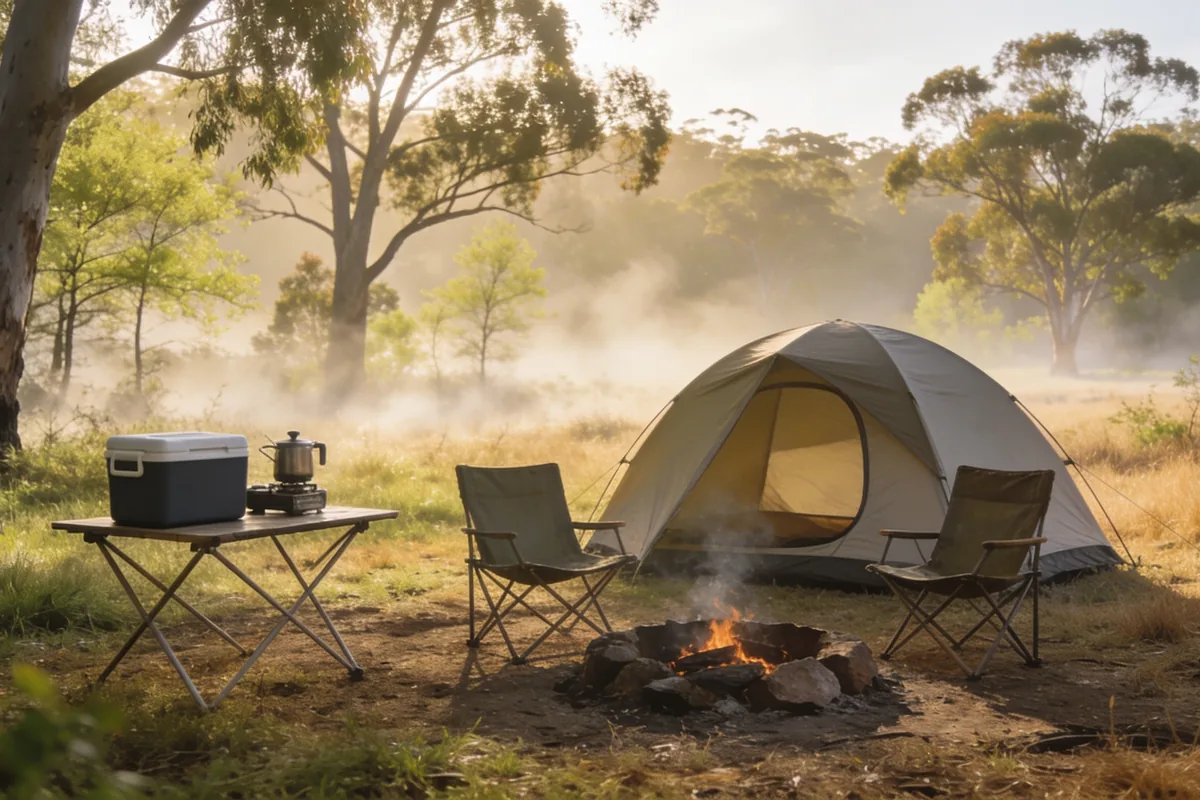
The tent that has lived in the garage
You know the friend. The one who says camping is easy, who makes it sound like a long picnic with a better view, who has owned a tent since 2019 and swears by it. That tent, in your garage, has been waiting for the right weekend for a very long time. You finally said yes, and now the car boot is piled with “just in case” things and you are not entirely sure what any of them are for.
Here is the worry underneath all of it. Camping sounds simple until you are lying awake at 2am, cold in a way you did not expect, wondering why everyone made it sound so relaxing. This guide walks a first weekend from booking to breakfast, so you pack with a plan instead of a panic. No gear lists that assume you own a four-wheel drive. Just the honest version of what a first trip actually needs.
Why spring is the right first weekend
Spring is the sensible season to start, and the reasons are the obvious ones. The days are warm, the crowds are thinner than summer and the evenings are long enough to sit out. But here is the part the postcards leave out: the nights are genuinely cold, far colder than the daytime suggests.
Spring weather in Australia changes fast. A blue-sky afternoon can become a shower by dinner, and a warm day can drop sharply once the sun goes. That is not a reason to avoid it. It is the reason layering is the whole game. If you pack expecting warm days and cold nights and the odd bit of weather, spring campsites are about as welcoming as camping gets.
Pick a site that takes it easy on you
For a first trip, the campsite matters more than the gear. Choose a caravan park or an established campground with amenities, and you remove the three things beginners worry about most: toilets, showers and somewhere to wash up. Remote bush camping is a wonderful thing, and it is a later-weekend thing. This weekend is about learning how you sleep in a tent, not about testing yourself.
When you are looking at sites, check what they actually have. Amenities block, powered versus unpowered sites, whether fires are allowed and how far the nearest town is. A powered site means you can run a light and charge a phone, and for a first trip that is a small comfort that adds up. Book ahead too. Spring long weekends and school holidays fill fast, and the site that seemed plentiful in April is often full by September.
If you are still deciding where to point the car, the kind of weekend escape you already daydream about is closer than you think. My guide to quiet hidden beaches in Queensland is full of the sort of places a campground anchors, and it will give you a sense of what is out there beyond the suburbs.
The packing rule that beats every list
Before any packing list, learn the rule that makes the lists make sense: pack for the night, not the day.
The cold at 2am is what ruins a first trip. Not the cooking, not the dirt, not the walk to the toilet block in the dark. Being cold and unable to sleep is the memory that puts people off camping for years. So sort warmth first. A sleeping bag rated for the season, or a doona you are willing to bring from home, plus a blanket to add on top. Warm pyjamas, a beanie if you feel the cold, and something between your body and the ground, because a sleeping bag loses all its warmth if the ground underneath is cold.
Once the night is sorted, everything else is simpler. That is the whole secret, and it is the one every experienced camper eventually says out loud: most people pack too much, and the best trips are the lightly packed ones.
What to pack, the honest way
Here is the practical core, kept to what a first weekend genuinely needs. Each item earns its place, and no brand names required.
Shelter and sleep. The tent, the groundsheet, the sleeping bags or doonas, the pillows you are fine bringing from home, and the blankets. Check the tent before you leave, not at the campsite in the dark. Ten minutes in the backyard saves an hour of frustration later.
One stove, one pot, one frypan and a kettle. That is the whole camp kitchen for a weekend. A two-burner stove is a luxury, and a single one works fine. Bring a lighter, a chopping board and a decent knife, and you can cook almost anything you would at home.
A light source. A head torch beats a phone every time, because it leaves your hands free and your phone battery alone. Bring a second torch or lantern for the table.
First-aid kit. A basic one with bandaids, antiseptic, pain relief and anything you use regularly. You will probably not need it. You will be very glad it is there.
Insect repellent. Spring means mosquitoes at dusk and flies during the day, and in some places ticks, so repellent is not optional. Check yourself over at the end of the day if you have been in long grass.
Sun protection. SPF 50+ sunscreen, a hat and sunglasses. The UV is strong even on cool or cloudy spring days, which is a point this article will come back to.
Layers. Warm days and cold nights mean a few thin layers beat one thick jumper. A warm mid layer, a light one for the day, and track pants or similar for the evening.
A rain shell. Spring showers happen, and a light waterproof jacket keeps a good weekend from turning soggy.
A bag for wet gear. Wet shoes, wet towels and wet clothes need somewhere to live that is not your sleeping bag.
Water. If the site has no tap, plan several litres per person per day. If it does have a tap, bring a container to fill so you are not walking back and forth all weekend.
That is the list. It looks short, and that is the point. What to pack for camping is a smaller question than people fear, and the items above cover a first weekend without filling the car.
What to leave at home
Now the permission slip, because leaving things out is part of the skill.
Leave the giant cookware set. One good frypan and one pot will do everything a weekend needs, and you will not miss the saucepan you never use at home. Leave the “just in case” fourth pair of shoes, the one that seemed sensible and will sit in the boot the whole trip. Leave the gadgets that take twenty minutes to set up.
Overpacking is the most common beginner mistake, and every guide says the same thing. The instinct to bring more is understandable, because you cannot pop home for a forgotten item. But you also cannot enjoy a weekend spent unpacking things you never touch. The same instinct you use when decluttering your wardrobe without losing the clothes you love applies here, just with a tent instead of a wardrobe. Most of it is not coming out of the bag. Leave it at home.
Camp cooking without the stress
Cooking at camp is easier than it looks, because the meals that work best are the ones you already make on busy weeknights.
One-pot meals are the backbone of camp cooking. They need one heat source, one pot and minimal washing up, which is exactly what you want when the “kitchen” is a folding table. My six one-pot dinners that cut down the washing-up were written for a cold kitchen, and most of them translate straight to a camp stove. Throw in some pasta, a jar of sauce, or a simple stir-fry, and you have dinner.
Things that do not need a fridge are your friends. Tins, rice, bread, eggs for the first morning, long-life milk, fruit that travels well. Buy fresh produce on the way or every couple of days rather than trying to keep a week of vegetables cold in an esky. And give yourself credit for this: food tastes better outdoors. The same instant noodles that are boring at home become the best thing you have eaten all week when they are cooked over a gas flame with the evening air around you.
Spring safety, said once and calmly
A few Australian specifics, said once and without turning this into a lecture.
Sunburn happens on cool days. The UV can be high even when the air is cold, and that is exactly the day you forget the sunscreen because it does not feel sunny. I have made this point before in my piece on getting sunburnt in winter in Australia, and it applies to spring campsites just as much. Sunscreen is not optional, and a hat is not a fashion choice.
Insects are active in spring, which is why the repellent is on the list and not optional. Snakes are also waking up as the weather warms. Look before you step, keep the first-aid kit stocked, and do not panic, just be aware. Store food and rubbish securely, both to keep animals away and to leave the site as you found it. Leave no trace is not a slogan, it is what keeps these places worth coming back to.
The first night, honestly
Here is what the first night actually feels like, because nobody tells you and you deserve the truth.
The tent zips are louder than you expect. Every noise outside is unfamiliar, and your brain, with nothing else to do, will catalogue each one. The ground is harder than your bed, even with a mat, and you will turn over more than you do at home. Then the cold comes, somewhere around 3am, and you will be glad you packed for the night rather than the day.
And then the morning happens. The kettle boils, the coffee smells better than it has any right to, the tent flap opens onto a site that is quiet in a way the suburbs never are, and it suddenly all makes sense. That moment, warm cup in hand, still in your pyjamas, is the one every camper is chasing. It is worth the cold, worth the strange noises, worth the hard ground. It really is.
The first trip is the one you learn on
You do not need to be an outdoors person to have a good first camp. You need an easy site, a sleeping setup that keeps you warm, and the sense to leave the “just in case” stuff behind.
Let the first trip be the one you learn on. You will forget something, and you will survive. You will pack something you never use, and next time you will leave it home. You will figure out what kind of camper you are, and that is the whole point of starting. Pick a weekend, book a site with hot showers, pack for the night, and go. The tent in the garage has waited long enough.
Sources:
- Jayco Australia – spring camping packing guide
- Total Parks – first-time camping guide (site and gear basics)
- Set Up Camp – spring camping tips for Australian conditions







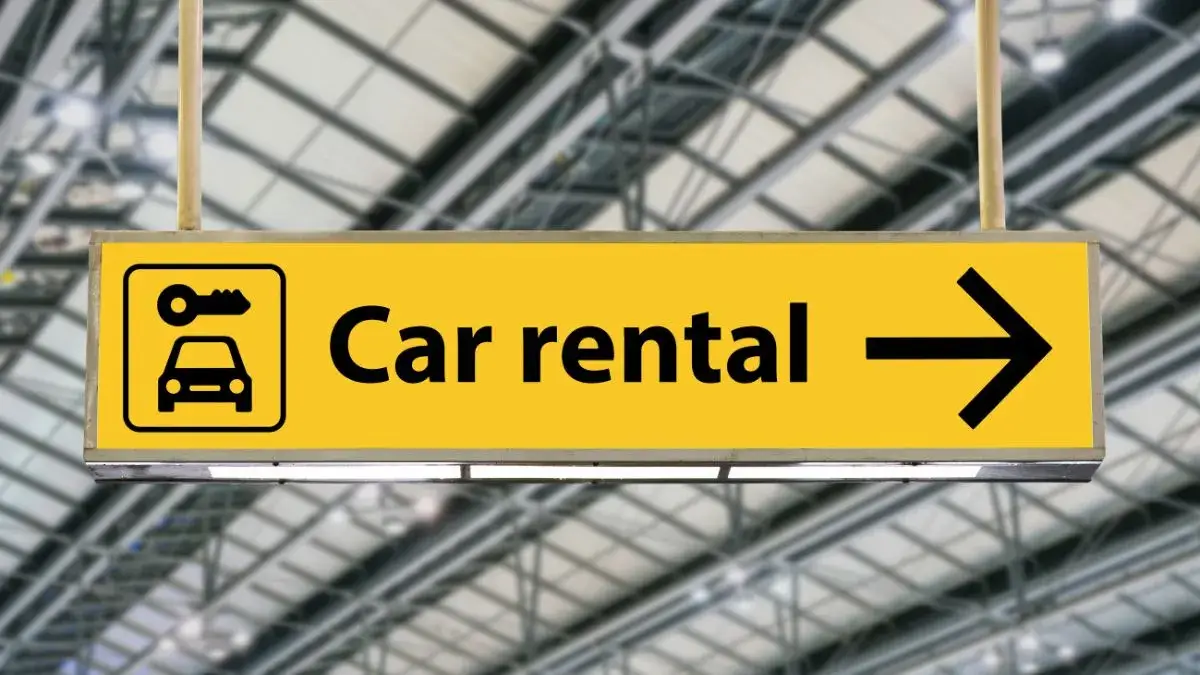
Renting a car looks simple until you see the final bill. You compare a few daily rates, pick a car that suits the trip and expect to pay roughly what was advertised. Then the total comes in higher, sometimes a lot higher, and you are left working out where it all went. The gap between the advertised price and the real one is usually not a mistake. It is fees, and most of them are avoidable once you know they exist.
This guide runs through the charges that push up car hire bills and how to dodge the ones you can. A little time spent reading the terms before you book saves real money at the counter.
Understand what the base price really covers
The daily rate you see online is rarely the whole story. It typically covers the car and not much else. Insurance upgrades, taxes, location surcharges and optional extras are often extra, and the base price is designed to look competitive so the add-ons can do the earning.
Treat the advertised rate as a starting point, not a final figure. Before you book, open the full price breakdown and check what is included. If the terms are not clear, ask. Rental companies rely on people assuming the basics are covered, so the cheapest quote on the comparison site is often the most expensive car by the time you add everything on.
Watch for airport and location surcharges
Picking a car up at the airport is convenient, and you pay for that convenience. Airport branches commonly add surcharges to cover their operating costs and the fees the airport charges the rental company. These are often buried in the terms and can be a significant slice of the total.
It is worth comparing an airport pickup against a nearby off-airport branch. A short taxi or shuttle ride to a city branch can sometimes save more than the transfer costs. The trade-off is time, so weigh the saving against the hassle, but do the comparison rather than defaulting to the airport counter.
Extra driver fees add up
Sharing the driving makes sense on a long trip, but many companies charge a daily fee for each additional driver. That fee can apply even to a spouse or a regular travel companion, and over a week it becomes a real cost.
Ask before you book how much extra drivers cost and whether any are included free. Make sure every person who will drive is listed on the agreement. Letting someone drive who is not registered can void the insurance, and that is a risk no saving is worth.
Age-based surcharges
Younger drivers usually pay more. If you are under 25, expect a daily surcharge on top of the base rate, because insurers consider younger drivers higher risk. Less commonly talked about, some companies also add fees for older drivers above a certain age.
These surcharges rarely appear in the headline price, so factor them in when you compare. If an age-based fee applies to you, it can change which company actually offers the best deal for your situation.
Insurance add-ons are where the real money is
Rental companies make a large part of their profit from insurance upgrades. Basic cover is usually included, but it comes with a high excess, the amount you pay if the car is damaged. At the counter you will be offered upgrades that reduce that excess, often framed as peace of mind.
Before you buy, check what you already have. Your own car insurance, travel insurance or credit card may cover rental car damage, sometimes including the excess. If you are already covered, the upgrade is money for nothing. If you are not, weigh the upgrade against the risk and the excess, and decide with the numbers in front of you rather than under pressure at the counter.
Fuel policies and refuelling charges
Fuel is an easy place to overpay. The most common arrangement is full to full: you collect the car with a full tank and return it full. Other options include prepaying for a tank you may not use, or returning the car and paying the company’s refuelling rate, which is always higher than the servo down the road.
Choose full to full wherever it is offered. Keep the receipt from your last fill as proof, and allow time to refuel before you return the car. Skipping the refill to save ten minutes is how people end up paying rental-company prices for fuel.
Late return and early pickup fees
Time is a fee trigger. Return a car even an hour late and you can be charged for an extra day, because the car is now late for the next booking. Some companies also charge if you pick up early and the car is not ready, or if you return outside opening hours.
Set a reminder for the return time and build in a buffer for traffic. If you are going to be late, call ahead. Many companies will note it or offer a grace period if they know in advance, whereas a silent late return gets the full charge.
Mileage limits and distance charges
Not every rental includes unlimited kilometres. Budget deals sometimes cap your daily distance and charge per kilometre over the limit, which adds up fast on a road trip. Always check the mileage terms before booking.
If you plan to drive a lot, an unlimited-kilometre deal is usually better value even when its base rate is a little higher. Estimate your distance first, then compare the two options with that number in mind.
Cleaning and smoking penalties
Returning a car in a mess can trigger a cleaning fee, and evidence of smoking can bring a heavy penalty on top of it. Companies are strict about this because a smoky or dirty car needs to be taken out of service to be cleaned before the next customer.
A quick tidy before you return saves money. Shake out the mats, bin the rubbish and do not smoke in the car at all. Pet hair counts too, so if you have travelled with a dog, allow time to vacuum.
Tolls and administration charges
Cars often come with a toll device fitted, which is convenient on a trip with toll roads. But using it usually adds a daily fee and an administration charge on top of the tolls themselves. Over several days those fees can exceed the tolls.
If you are comfortable paying tolls yourself, ask whether the device can be removed or opted out. If you keep it, factor the daily charge into your budget. Either way, know before you drive rather than discovering it on the final invoice.
Optional extras that are not optional
GPS units, child seats and roadside assistance packages are often presented as essential. Some genuinely are, especially a child seat if you are travelling with a young child. Others, like a GPS when your phone does the job, are easy to skip.
Bring your own accessories where you can, and only add extras you will actually use. The counter presentation makes each add-on sound small, but three or four of them can add a third to the daily rate.
Read the fine print before you sign
The fine print is not exciting, but it is where the truth about a car hire deal lives. Look for the sections on fees, exclusions and penalties. If anything is unclear, ask before you book rather than assuming.
Ten minutes reading the terms can save hundreds. It also means you know what you agreed to, which matters if there is a dispute later. A rental agreement is a contract, and you are better off knowing its contents before you sign it.
Compare the total, not the daily rate
The single most useful habit is to compare total prices rather than daily rates. When you have two quotes, work out the real cost of each with the same inclusions: the insurance you need, the fuel policy, the kilometres and any surcharges that apply to you. The deal that looks cheapest on paper is often not the cheapest in practice.
Photograph the car at pickup and return so you have a record of its condition, and keep your paperwork until any potential charges have passed. A few minutes of checking now beats a surprise on your credit card statement later.
Rent with your eyes open
Car hire does not have to be a financial trap. The fees that catch people are mostly predictable, and once you know them you can plan around them. Read the terms, compare real totals, check your existing insurance before buying upgrades and return the car the way you collected it.
Do that and the advertised rate stops being a tease and becomes what you actually pay. A rental car is meant to make a trip easier, and knowing what you are paying for is part of that.

A taxi at night is meant to be the easy option. You finish dinner, leave work or call it a night out, and a driver takes you home without you worrying about parking, directions or staying awake at the wheel. Most night taxi rides are uneventful and safe. But a few simple habits make them safer, especially when you are tired, travelling alone or in an unfamiliar area.
These tips are not about assuming the worst of drivers. They are about travelling the same way you would in any unfamiliar situation: a bit of awareness, a few checks and a plan for getting home. Here is what to do before and during a night ride.
1. Book through a licensed service
The safest night ride starts before you get in the car. Book through a licensed taxi company, whether by phone, a booking app or the company’s own service. That way the trip is recorded, the driver is registered and there is a company behind the ride if anything goes wrong.
Avoid hailing an unmarked car or accepting a lift from someone offering a cheap fare on the street. It might seem harmless, and it might be fine, but you lose the protections that come with a booked, tracked ride. If you are somewhere without a rank, call or app-book rather than taking the first person who offers.
2. Check the taxi before you get in
A licensed taxi is easy to check. It should show the company’s branding, the driver’s identification and the registration details clearly. Before you open the door, have a quick look and confirm the driver matches the identification displayed. If something does not add up, or the car does not look like the taxi you booked, do not get in.
Once you are in, confirm your destination with the driver and check that the meter is running. If the ride is a fixed price, agree on it before you set off. A quick check now avoids a confused or uncomfortable conversation at the end of the trip.
3. Share your trip with someone you trust
Tell someone where you are going and roughly when you expect to arrive. It takes seconds and it means someone knows where you are. Many booking apps include a way to share your trip or your live location, and it is worth using if you are travelling alone.
A simple message saying you have got in a taxi and you will message when you are home gives someone a reason to check on you if you go quiet. It is a small habit that makes a real difference on late rides.
4. Sit where you feel comfortable
Choose your seat with your comfort in mind. Most passengers prefer the back seat, and at night it gives you space and a clear view of where you are going. Wear your seatbelt. It protects you in the same way it does in any car, and there is no reason to leave it off just because the trip is short.
Stay aware during the ride rather than fully switching off. If you have had a long night, that takes a bit of effort, but following the route on your phone or noticing familiar landmarks keeps you oriented. You do not need to be anxious, just present.
5. Keep your valuables close
Phones, wallets and bags should stay with you, not on the seat beside you where they can slide off or be left behind. When you pay, keep cash handling low-key, especially late at night. If you are using a card or phone payment, it is quick and you are not flashing a wallet around.
At the end of the ride, do a quick check before you get out. It is easy to leave a phone on the seat when you are tired, and retrieving it later means a phone call to the company and a delay you could have avoided.
6. Trust your instincts
If something feels off during a ride, you do not have to ignore it to be polite. You can ask the driver to pull over in a well-lit, public area. You can call someone. If you ever feel genuinely unsafe, do not hesitate to contact emergency services. Your comfort and safety come before anyone’s feelings.
The vast majority of taxi drivers are professional and just doing their job. But your instincts exist for a reason, and acting on them costs nothing. If a situation does not feel right, get out of it.
7. Choose well-lit pick-up and drop-off points
Where you wait and where you are dropped off matter more than people think. When you book, choose a pick-up point that is well lit and busy, such as outside a shop, hotel or restaurant, rather than a dark, quiet corner. If the driver asks where you would like to be dropped, choose a spot near your door or under a light rather than at the kerb some distance away.
This is especially worth doing in an area you do not know well. A well-lit drop-off at your actual destination is safer than a shortcut that leaves you walking through a dark street.
8. Keep important numbers handy
Save the taxi company’s number in your phone before you travel. If you leave something in the car or need help with a booking, it is the number you will want. Keep emergency contacts easy to reach too, and make sure your phone has charge before a night out. A flat phone turns a straightforward ride home into a problem.
Make safe night travel a habit
None of these tips is complicated, and that is the point. Safe night travel is mostly routine: book properly, check the car, let someone know where you are and stay aware until you are home. Do those things and a taxi remains what it should be, a safe, convenient way to get home after dark.
The goal of a night out is to arrive home relaxed. A few seconds of planning on the way out, and a bit of awareness on the way back, are a small price for that.


Queensland is famous for its big-name coastline. Surfers Paradise, Noosa and the Whitsundays all pull their crowds, and they are worth a visit in their own right. But tucked away from the busy strips there is another Queensland: quiet coves, island beaches and calm creeks where the main decision of the afternoon is which patch of sand to claim.
These are ten beaches that suit a relaxed swim and a slower pace of day. Some need a walk or a 4WD to reach, which is exactly why they stay quiet. None of them ask much of you beyond turning up, and most have somewhere sensible to stay nearby.
1. Agnes Water Beach: calm surf and golden sunsets
Agnes Water sits at the southern end of the Great Barrier Reef region and is one of the last surf beaches you meet heading north. The waves are gentle enough for beginners, and the sand runs for miles without the crowds you find further south.
Best for surfing, swimming and an evening walk as the sun drops. Stay at Agnes Water Beach Holidays or the 1770 Lagoons Central Apartment Resort, both a short walk from the sand.
Local tip: drive the few minutes to the Town of 1770 for a kayak paddle, a reef tour and a lookout over Bustard Bay.
2. Nudey Beach: tropical island paradise
Nudey Beach sits on Fitzroy Island, about 45 minutes from Cairns by ferry. The name sounds cheekier than the beach is. It is a sheltered cove of coral sand and clear, turquoise water, regularly voted one of the most beautiful beaches in Australia.
Best for snorkelling straight off the sand and an easy day trip from Cairns. Fitzroy Island Resort has beachfront rooms if you want to stay overnight.
Local tip: take the early ferry. For the first hour or two you will often have the cove largely to yourself.
3. Five Rocks Beach: off-road adventure meets seclusion
Inside Byfield National Park, north of Yeppoon, Five Rocks is a rugged stretch of sand backed by dunes and dry forest. It is remote, uncluttered and well off the tourist route.
Best for swimming, beach fishing and camping. There is a campground right behind the dunes, or you can base yourself in Yeppoon and drive in for the day.
Local tip: you need a 4WD to reach it. The trade-off is total solitude, because most day trippers never make the drive.
4. Waddy Point Beach: K’gari’s peaceful corner
On the northern end of K’gari (Fraser Island), Waddy Point faces calm, protected water near the Champagne Pools. Dolphins and turtles cruise past often enough that you should keep an eye on the water.
Best for safer swimming than the ocean side of the island, beach camping and fishing. Waddy Point Campground sits close by, and Orchid Beach has a few lodge rooms.
Local tip: come in the late afternoon, when the light over the dunes turns gold and most day visitors have headed back to the barge.
5. Tallebudgera Creek: the Gold Coast’s quiet side
Between Burleigh Heads and Palm Beach, Tallebudgera Creek opens into a wide, lagoon-style swimming hole. The water is clear, calm and shallow at the edges, which makes it a good pick for families and for people learning to paddleboard.
Best for swimming, paddleboarding and picnics on the grassed bank. The Tallebudgera Creek Tourist Park is right there, and Burleigh Beach Tower Apartments are a short drive north.
Local tip: walk the Burleigh Headland track for views over the creek mouth and the ocean, then cool off in the creek at the end.
6. Horseshoe Bay: quiet island vibes on Magnetic Island
Magnetic Island, a short ferry ride from Townsville, has a handful of beaches, and Horseshoe Bay is the most sheltered of them. Palm trees line the sand and the water stays calm enough for a relaxed swim a few metres from shore.
Best for kayaking, snorkelling and a slow island day. Stay at Bungalow Bay Koala Village or Sails on Horseshoe, both within easy reach of the beach.
Local tip: walk to Balding Bay nearby. It is another hidden cove, often empty on weekdays, and perfect for a private swim.
7. Lake McKenzie: crystal-clear freshwater
Not every entry on this list is an ocean beach. Lake McKenzie, on K’gari, is a perched freshwater lake sitting above the water table, with pure white silica sand and water so clear it looks artificial. Because there is no salt and very little in the way of nutrients, the lake stays brilliantly clear.
Best for swimming, sunbaking and photography. Kingfisher Bay Resort runs day trips and overnight stays, and Central Station Campground is the budget option inland.
Local tip: the sand is soft and squeaky underfoot, and the water is very low in minerals, so it does not sting your eyes the way salt water does.
8. Seventy-Five Mile Beach: endless sand and sea
Running down the eastern side of K’gari, Seventy-Five Mile Beach is one of the longest beaches in the world. The southern stretches are far quieter than the middle sections near the main resorts, and the swimming is best in the protected patches rather than straight off the surf.
Best for long beach walks, whale spotting during migration season and quiet swims in the calm stretches. Eurong Beach Resort is a convenient base on the eastern side.
Local tip: the beach doubles as a highway, so keep an eye out for 4WDs while you walk, and check local advice on where it is safe to swim.
9. Alexandria Bay: Noosa’s walk-in secret
Noosa’s main beach is rarely short of company, but a short walk through Noosa National Park delivers you to Alexandria Bay, a long stretch of sand with no road access at all. The walk keeps the crowds away, and on most weekdays you will share the bay with only a handful of locals.
Best for swimming in settled conditions, long coastal walks and a genuine escape from the Noosa strip. Stay in Noosa Heads and walk over, or base yourself in Sunshine Beach nearby.
Local tip: because there is no lifeguard and the surf can pick up, check conditions before you swim and aim for a calm, low-wind day.
10. Ellis Beach: a true tropical hideaway
Halfway between Cairns and Palm Cove, Ellis Beach is a long curve of palm-fringed sand with warm, calm water and none of the resort bustle of its neighbours. It has the feel of a beach that time forgot, even though Cairns is only half an hour away.
Best for swimming, sunbaking and easy beach walks. Ellis Beach Oceanfront Bungalows sit right on the sand, so you can roll out of bed and into the water.
Local tip: come for sunrise. The sky turns pink over the Coral Sea, and the beach is at its most peaceful before the day warms up.
Tips for finding Queensland’s hidden beaches
A few habits make these beaches work better. Travel outside school holidays if you can, because that is when the quieter spots fill up. Pack snacks and water, since several of these places have limited or no facilities. Respect the national park rules and take your rubbish out with you, and try a weekday rather than a weekend. Most of these beaches are quiet because they take a little more effort to reach, and that effort is rewarded.
The quiet beach is worth the walk
Queensland’s coastline runs for more than 7,000 kilometres, and the famous beaches earn their reputations. But the beaches you remember longest are often the ones you had to search for. A cove reached on foot, a creek hidden behind a headland, an island bay that stays empty past midday.
Next time you plan a getaway, pick one of these and give yourself a slow day. Pack light, check the conditions, and let the beach do the rest. The quiet swim you are after is still out there.

Someone Left You a One-Star Review. Here Is What Actually Works.
Moving House Checklist Australia: A Week-by-Week Plan That Misses Nothing

Tick on Dog? What to Do Now, How to Remove It, and When It’s an Emergency

The Science Behind Melbourne’s Unpredictable Climate: What’s Really Going On?

Plastic-Free Coffee Makers: Myth or Must-Have?

Zero Waste Toothpaste: What’s Worth the Switch and What to Look For
-
 Melbourne1 year ago
The Science Behind Melbourne’s Unpredictable Climate: What’s Really Going On?
-
Eco Friendly4 years ago
Plastic-Free Coffee Makers: Myth or Must-Have?
-
Eco Friendly4 years ago
Zero Waste Toothpaste: What’s Worth the Switch and What to Look For
-

 Automotive1 year ago
Wet Weather Tyres in Australia: What to Look For and When to Replace Them
-
 Eco Friendly4 years ago
Plastic Free Packaging: How to Keep Your Business Plastic Free
-
 Eco Friendly4 years ago
How Aussie Businesses Can Reduce Plastic Pollution
-

 Home & Garden1 year ago
Boost Productivity and Mood with a Deep Cleaned Space
-

 Food1 year ago
The 9 Best Foods and Drinks to Enjoy Before Bed for Restful Sleep