
Travel
One Car or Two? Working Out How to Move a Group Without the Shuffle

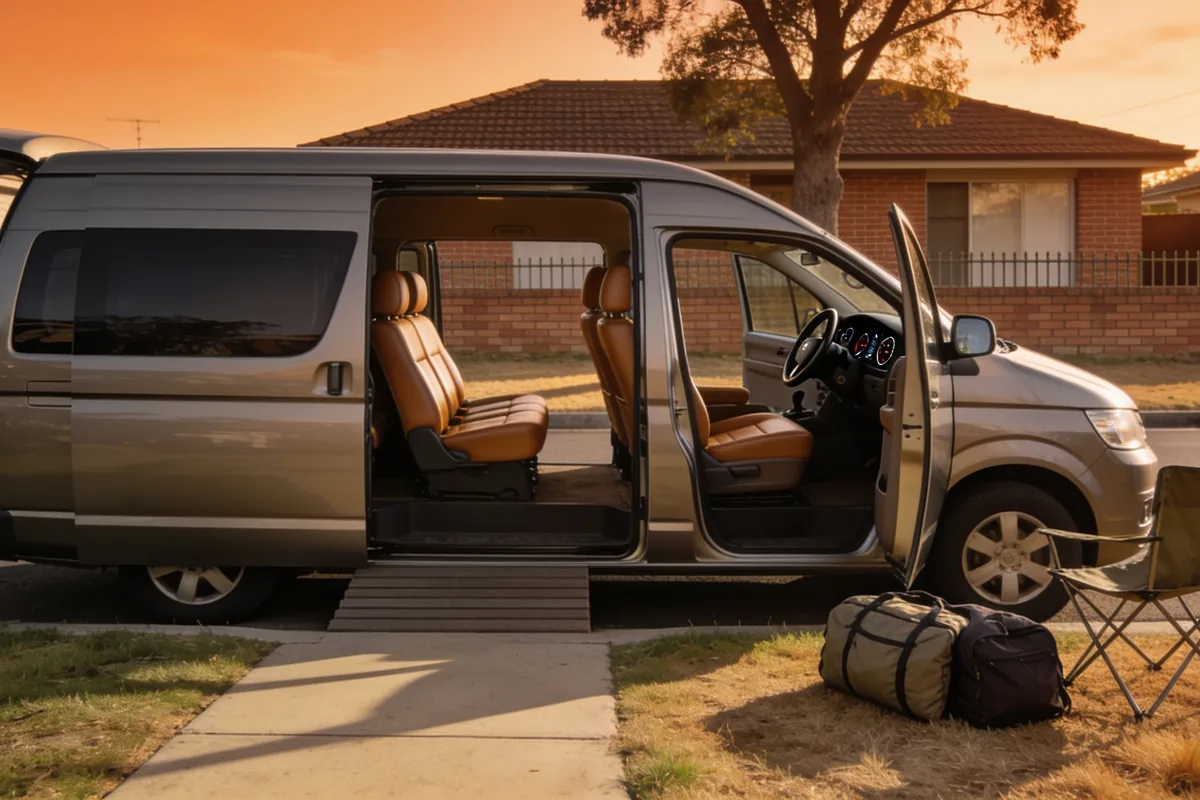
- The first number that matters is not how many people are coming. It is how many seats you can actually use once the restraints and the luggage are in.
- A bigger vehicle is often the answer, and it is not automatically the answer, because parking at the other end is part of the trip too.
- Three questions before anyone books: how many people, how much is coming with them, and how everyone is getting home.
- The group that sorts the return leg at the same time as the outbound one is the group that has a good night.
There is a moment in every group plan when someone finally asks the question out loud: so, how are we all getting there? Usually it is a wedding, a birthday, a works night out or a sporting team, and usually it is about three weeks to go. If you are the person who just got handed this question, take heart. Working out the vehicles is honestly just counting and a few good questions, and you can do the whole thing sitting at the kitchen table with a cup of tea.
Before the group travels
0 of 12If you are the one organising this, these are the things to settle before you book. Tick each one as you do it, and the count keeps track.
General information. Capacity, availability and access arrangements differ between vehicles and operators, so confirm them with whoever you book.
Count people, then count seats that can actually be used
Start with the people, because that part is easy. Then slow down, because the second count is the one that changes the booking.
A seat on a spec sheet is not always a seat you can use. The front passenger seat disappears if a rear-facing child restraint has taken the space behind it. The middle seat in the back row is not really a seat once the two outer ones hold restraints. The third row of a people mover is gone the moment it is folded down to make room for the luggage. And every vehicle being driven by someone in your own group comes with a driver’s seat that is not available to anybody else.
So the arithmetic goes: bodies first, then subtract everything that is not really a seat. What is left is the number you are actually booking for. Write that number down and send it to the group, because half the muddle in these plans comes from people counting different versions of the same list.
There is one more thing worth saying plainly, because it is easy to miss. A group of eight in two cars is not the same journey as a group of eight in one vehicle. The second car has its own driver, its own parking problem, its own departure time, and its own passenger who will be checking their phone at 11pm wondering where everyone is. Sometimes that is fine. Sometimes it is the whole night. Knowing which one you are in is half the plan.
When one larger vehicle wins, and when it does not
Let us be fair to both options, because the answer genuinely goes both ways.
One larger vehicle wins when the group is arriving and leaving together. It wins when the destination has nowhere much to park, which is most venues with a decent dance floor. It wins when nobody wants to be the driver, when there is a firm time at both ends, and when the group includes someone who would otherwise quietly be left out of the plan because they cannot drive themselves.
Two or more cars win when the group is going to split up at the end, because it always does. They win on a short trip when the cars are already there and already paid for. They win when someone is leaving early or arriving late. And they win when the group is big enough that one vehicle would have to run twice, which turns a simple trip into a logistics exercise nobody signed up for.
And here is the sentence a transport operator might not thank me for: for a small group in the middle of the day, with parking at both ends, two cars is often the sensible answer. That is worth believing, because it is coming from someone with no reason to pretend a vehicle is always needed.
The things that decide the vehicle, not the count
The count gives you a number. The next five things give you the actual plan, and they are the ones people leave until too late.
Access needs. If anyone uses a wheelchair or a mobility aid, the vehicle has to be right for it, and that is a request made when you book rather than something to raise at the kerb. Say it at booking time, and say what the aid is, because “we have someone with a walker” and “we have someone in a wheelchair” lead to different vehicles.
Child restraints. Work out how many children need one, and ask who fits them. And a gentle reminder: the requirements for child restraints are set by your state or territory, so check your own transport authority rather than trusting a blog.
Luggage, counted in volume rather than in bags. A pram, a portacot, a cricket kit and a folded marquee are each bigger than a suitcase, and the measurement that matters is the boot with all the seats up. If people are flying in for the event, their bags will be bigger than everyone assumed, which is a law of nature.
The venue’s parking, which is the thing nobody checks until the cars arrive. This is not a small detail: moving people to and from an event site is planned work rather than an afterthought, which is the point the site’s The hidden work behind safe road projects and public events makes from the other side of the clipboard. A drop-off plan is a perfectly good answer; just make it before the night, not during it.
And the person who is going to do the driving. Ask them directly, early, rather than discovering on the day that the plan rested on someone who never agreed to it. On a rural or outer-suburban run the drive is longer than the map makes it look, so that person’s goodwill is part of the calculation. Ask when the venue empties, too. If half the shire is leaving at once, the drop-off plan matters more than the size of the vehicle.
What to have ready when you book
When you ring to book, have these in your hand. It takes ten minutes and it turns a vague enquiry into a booking that works.
The pickup address, and which door. A venue with two entrances and a group milling around both of them loses fifteen minutes before anyone has even left.
The time the vehicle needs to be there, rather than the time everyone would like to leave. Those are almost never the same number, and the vehicle one is the one that counts.
How many people, and how many of them are children. How many bags, and what the biggest single item is. Whether anyone needs a wheelchair accessible vehicle or a child restraint, asked at this moment, which is the moment it can actually be arranged.
Then two questions that are really about expectations. Is the price for the vehicle or per person? And can the return leg be booked at the same time, because the answer to that one decides how peaceful your evening is.
That is the same list a Bacchus Marsh and Darley cab service that runs group travel and airport transfers works through when a booking is taken, and it is a good list to borrow. Ask for a number you can ring on the night, too, because bookings are made in offices and problems happen in car parks. And one caveat from the honest end of the industry: capacity differs between vehicles and operators, so the number to ask about is the one on the vehicle you are booking, not a generally assumed figure.
The return leg, and why it is the whole plan
If you take one thing from this article, take this. The outbound trip usually looks after itself. The return leg is where group plans go to die.
Think about why. By then, the group is leaving at four different times. The people who planned nothing are still planning nothing, and now they are your problem as well. And you, the organiser, are tired and have long since stopped counting heads.
Two habits fix most of it. Book the return at the same time as the outbound, with a pickup point named rather than assumed, because “meet out the front” means six different fronts at a venue that size. And nominate one person as the contact for both legs, so the driver is ringing one phone rather than five.
The plan that works is the one where nobody has to make a decision after the event. For everything about keeping the night itself safe, the site already has that ground covered well in its Top taxi safety tips for night rides, and this article is staying on the logistics side of the kerb.
What to sort before the group travels
Here is the whole thing, compressed for the night before you book.
Count the people, then count the usable seats. Name the biggest single item of luggage and check it fits with all the seats up. Decide on any access or child-restraint requests and make them when you book. Find out where the vehicle can actually stop at the other end. Book the return leg at the same time as the outbound one, from a named pickup point. Choose one contact person who will actually answer their phone. And send the plan to everyone, including the address and the time, so nobody is asking you on the night.
None of it is hard, and all of it is easier now than on the evening itself. The trip that goes smoothly is not the one with the biggest vehicle. It is the one where somebody asked these questions a week early, and this week, that somebody is you.
Sources consulted: your state or territory transport authority’s information on accessible taxis.




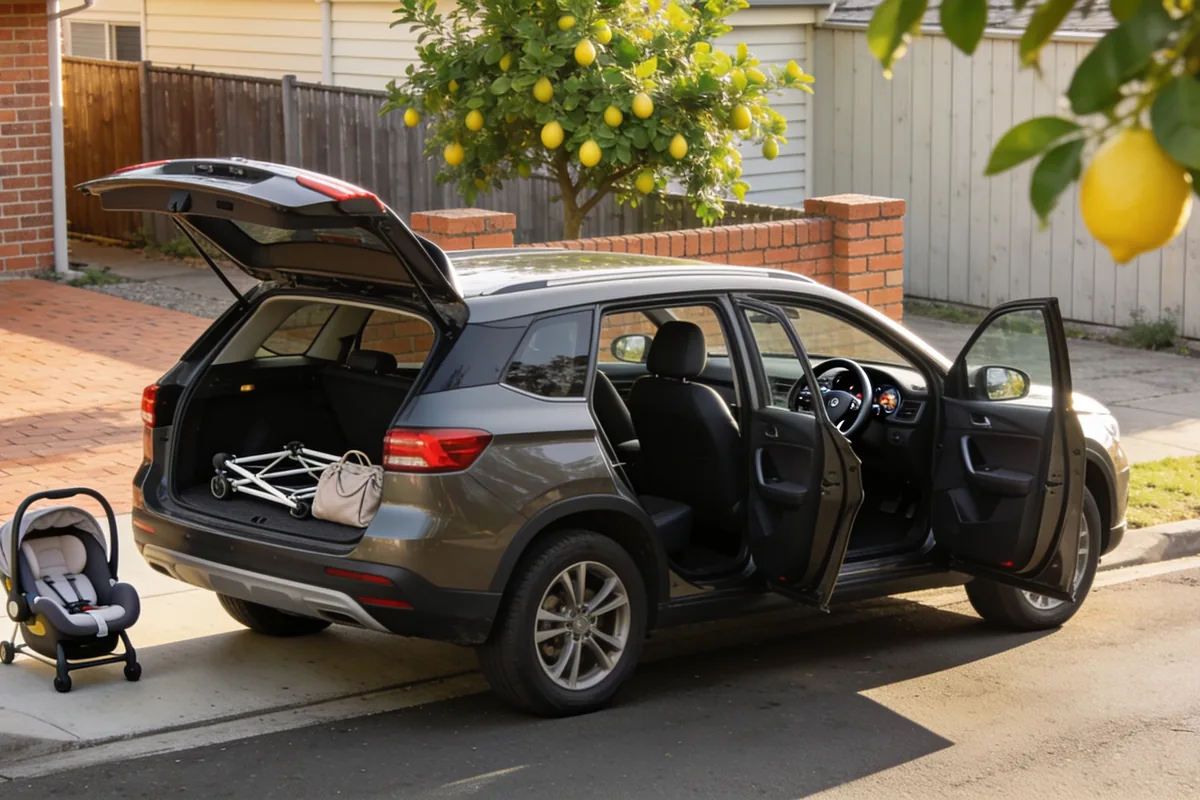
- Three questions decide the whole booking: how many bodies, how big the smallest ones are, and how much is coming with you.
- Bringing the seat and hiring one each solve a different problem, and the answer usually comes down to how you are arriving at the car.
- A bigger car is not automatically the answer, because the third row and the boot are competing for the same space.
- You cannot fix a seat or a boot at the kerb. Everything on this list gets sorted before you book.
You have booked the flights, the house and the dog sitter, and then someone asks the question nobody wants to own: so who is sorting out the kids’ seats? If that someone is you, welcome. This is the part of a family car hire that no booking form asks you about, and it is the part that decides how the first hour of the trip actually goes. Here is the whole decision, in the order it needs making.
Which car, and which seat?
Answer six questions and this gives you the two things to sort before you book: the size of car, and whether to bring a seat or hire one.
count them, do not guess the type here
on most Australian hires the answer is you
Answer the questions and your summary will appear here.
General information, not legal or safety advice. Requirements for child restraints are set by your state or territory, check your own transport authority.
Nothing on this page states a legal requirement, a price or an availability claim. Every answer comes from what you entered.
The decision, in the reader’s own words
Bring your own seat, or use the hire company’s. That is the question, and it is worth saying out loud that both answers are correct, just for different trips.
Bringing your own gives you the seat you know. You know it fits your child, you know where the straps sit and you know its history, which is nothing to be casual about. It also means nothing extra to hire and nothing to learn on the day. The catch is the carrying. A seat is bulky and awkward, and whether it flies free depends on the airline and the route, so that is a question for the airline’s own page rather than a guess. And when you get there, you are still fitting a seat you know into a car you do not.
Hiring one means nothing to carry and one less thing in the boot, and for a lot of families that is the whole argument right there. The catch is that you get what they have. You fit it yourself, you have limited say over the model, and you will not have seen it before the day.
Notice what is not on either list: a right answer. A family flying in for a week with one child will usually hire. A family driving their own car to the hire counter, with a seat that is already fitted to their child’s exact size, will usually bring it. The decision is usually made by the trip, not by the seat.
The trip you are planning is a holiday. The seat question is admin, so keep it in the admin pile and get it done early, and it never gets the chance to become a story you tell for years.
If you are hiring one, five things to settle before you book
The booking form will not ask you any of these. Ask them anyway, because each one is a kerbside surprise you are choosing to skip.
One, say the child’s age and size, not just “a child seat”. That is the information that decides which type of restraint is right, and it is the single most useful sentence in your booking.
Two, ask for the seat to be added to the booking in writing. A seat that was “mentioned” at the counter is not a seat that was booked, and the difference shows up on the day you need it.
Three, ask who fits it. On most hires, the honest answer is you, and you want to hear that answer now rather than discover it at the kerb with a queue behind you.
Four, ask what happens if the seat does not suit your child on the day. This is the real risk. You are handed a model you have never used, and children have opinions about straps.
Five, ask whether the seat can move with you if you change vehicles, which matters on a one-way hire or a mid-trip swap.
One more thing, and it is the one people forget: requirements for child restraints are set by your state or territory, and they can differ. Check your own transport authority before you travel, and never take a threshold from a blog, including this one.
If you are bringing your own
The bring-your-own plan has its own short checklist, and it is mostly about the journey to the car.
Check the seat’s own instructions for whether it can be used on an aircraft, if you are flying. Check the airline’s current rules for carrying it on their own page, because they differ between carriers and between cabins. Pack the seat so you can carry it one-handed, because there will be a moment when your other arm has a child in it.
Photograph the seat and its label before you go, so you can show what it is if anyone asks. And do one thing before you leave home: practise fitting the seat in a car that is not yours. A seat you have only ever fitted in your own car is a seat you have never really fitted, and the back seat of a hire car is a different puzzle every time.
Fitting it in a car you have never seen
This is where most of the trouble happens, and it is always the same shape: the seat was available, and the fitting was not right.
What changes from car to car? The shape of the rear seat, where the anchor points are, how the belt runs, whether the headrests get in the way of a booster, and how much room the front seat loses when a rear-facing restraint goes in behind it. None of that is visible until the car is in front of you.
The method is short, and it is the same every time. Read the seat’s instructions before you touch the car. Put the seat in a position that is not in front of an airbag. Get the belt or the anchor tight enough that the seat moves less than a hand’s width at the belt path. Check the recline. And check the child’s straps every single time, because straps loosen and children grow.
One thing to notice while you fit it: the front seat usually loses room when a rear-facing restraint goes in behind it. The driver ends up further forward than they like, and on a long drive that is worth knowing before you set off rather than three hours in.
The sentence to remember is this: a seat that is in the car is not the same as a seat that is in properly. The difference between those two is the step people skip at the kerb when everyone is tired and the bags are still on the trolley.
How much car you actually need
Now the second half of the booking, and the one that surprises people: seats on a spec sheet are not seats you can use.
Count the people first. Then count the seats that are actually usable. A seven-seater with two child restraints in the second row may lose its access to the third row. A third row that folds into the floor takes the luggage space with it. And a driver’s seat is not a passenger seat in any vehicle being driven by someone in your group.
Then count the luggage in volume rather than in bags. A pram and a portacot are the two giants of family travel, and neither is shaped like a suitcase. What matters is the boot with all the seats up, because that is the version of the car you will live with.
Two more specifics catch people. The tailgate height, if a pram has to go in and out all week. And whether anyone needs a particular seat position for a wheelchair or a mobility aid, which is a booking conversation rather than a kerbside one. If a trailer or a bike rack is part of the plan, ask about a tow bar at booking time, because that is not a question that gets solved in a car park.
The trick that ties it together: work out the worst hour of the trip, which is almost always the airport run with everyone and everything in the car at once. Size the vehicle for that hour, not for the average day. It is the same lesson the site’s Are cruises a good choice for families and groups? What to know before you book makes about holidays in general: the trip decides the vehicle, never the other way round.
The counter questions, kept short
You have done the big work by now. This section is just the last four questions at the counter, and it takes two minutes.
Which seat have you allocated to us? Can I see it before I sign anything? Who fits it? And what is the process if it is wrong? Those four answers are the whole handover, and they take less time than finding a parking spot. It is the handover a Dandenong car rental company that hires across Greater Melbourne prepares for on every family booking.
If your worry at the counter is the money rather than the seats, that ground is already covered properly elsewhere on this site: Avoid these sneaky fees when you rent a car is where the fee conversation belongs, and this article is staying on seats and space.
And the standard to hold the booking to is simple. The answer to a good booking is a car that is already correct when you get there.
Before you book the car
The compressed version, so you can close the tab and get on with it.
Decide the seat question first, because it changes what vehicle you can book. Write the seat into the booking, in writing, and ask who fits it. Count people, then usable seats, then the pram, in that order. Size the car for the worst hour of the trip, not the average one. If you are bringing your own, check the airline’s rules on their own page and practise the fitting before you go. And give yourself real time at the counter, because fitting a seat properly is not a thirty-second job.
And one last nudge: if you are hiring the seat, ring the day before and confirm it is on the booking. Five minutes, and it is the difference between a seat waiting for you and a phone call from a car park.
The seat and the boot are the two things you cannot fix once you have driven away. Sort them at the kitchen table, and the first hour of the trip belongs to the holiday instead.
Sources consulted: your state or territory transport authority’s information on child restraints.
The tent that has lived in the garage
You know the friend. The one who says camping is easy, who makes it sound like a long picnic with a better view, who has owned a tent since 2019 and swears by it. That tent, in your garage, has been waiting for the right weekend for a very long time. You finally said yes, and now the car boot is piled with “just in case” things and you are not entirely sure what any of them are for.
Here is the worry underneath all of it. Camping sounds simple until you are lying awake at 2am, cold in a way you did not expect, wondering why everyone made it sound so relaxing. This guide walks a first weekend from booking to breakfast, so you pack with a plan instead of a panic. No gear lists that assume you own a four-wheel drive. Just the honest version of what a first trip actually needs.
Why spring is the right first weekend
Spring is the sensible season to start, and the reasons are the obvious ones. The days are warm, the crowds are thinner than summer and the evenings are long enough to sit out. But here is the part the postcards leave out: the nights are genuinely cold, far colder than the daytime suggests.
Spring weather in Australia changes fast. A blue-sky afternoon can become a shower by dinner, and a warm day can drop sharply once the sun goes. That is not a reason to avoid it. It is the reason layering is the whole game. If you pack expecting warm days and cold nights and the odd bit of weather, spring campsites are about as welcoming as camping gets.
Pick a site that takes it easy on you
For a first trip, the campsite matters more than the gear. Choose a caravan park or an established campground with amenities, and you remove the three things beginners worry about most: toilets, showers and somewhere to wash up. Remote bush camping is a wonderful thing, and it is a later-weekend thing. This weekend is about learning how you sleep in a tent, not about testing yourself.
When you are looking at sites, check what they actually have. Amenities block, powered versus unpowered sites, whether fires are allowed and how far the nearest town is. A powered site means you can run a light and charge a phone, and for a first trip that is a small comfort that adds up. Book ahead too. Spring long weekends and school holidays fill fast, and the site that seemed plentiful in April is often full by September.
If you are still deciding where to point the car, the kind of weekend escape you already daydream about is closer than you think. My guide to quiet hidden beaches in Queensland is full of the sort of places a campground anchors, and it will give you a sense of what is out there beyond the suburbs.
The packing rule that beats every list
Before any packing list, learn the rule that makes the lists make sense: pack for the night, not the day.
The cold at 2am is what ruins a first trip. Not the cooking, not the dirt, not the walk to the toilet block in the dark. Being cold and unable to sleep is the memory that puts people off camping for years. So sort warmth first. A sleeping bag rated for the season, or a doona you are willing to bring from home, plus a blanket to add on top. Warm pyjamas, a beanie if you feel the cold, and something between your body and the ground, because a sleeping bag loses all its warmth if the ground underneath is cold.
Once the night is sorted, everything else is simpler. That is the whole secret, and it is the one every experienced camper eventually says out loud: most people pack too much, and the best trips are the lightly packed ones.
What to pack, the honest way
Here is the practical core, kept to what a first weekend genuinely needs. Each item earns its place, and no brand names required.
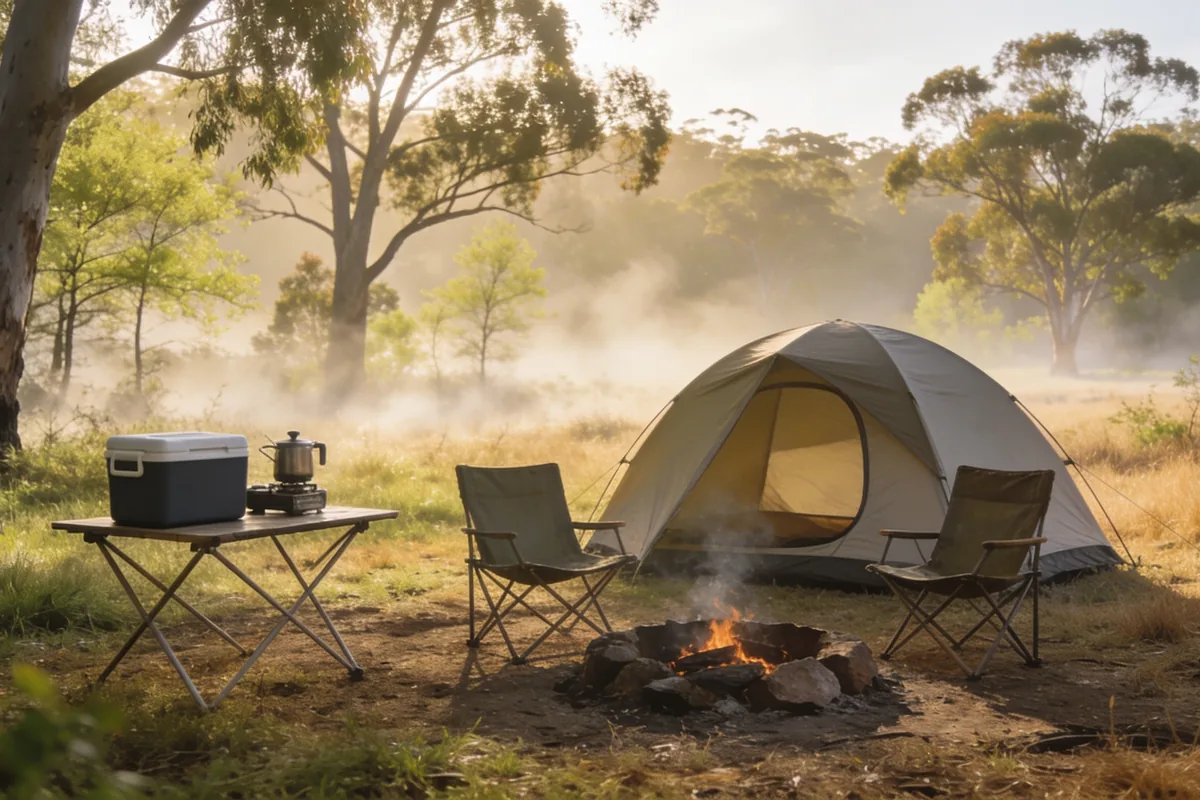
Shelter and sleep. The tent, the groundsheet, the sleeping bags or doonas, the pillows you are fine bringing from home, and the blankets. Check the tent before you leave, not at the campsite in the dark. Ten minutes in the backyard saves an hour of frustration later.
One stove, one pot, one frypan and a kettle. That is the whole camp kitchen for a weekend. A two-burner stove is a luxury, and a single one works fine. Bring a lighter, a chopping board and a decent knife, and you can cook almost anything you would at home.
A light source. A head torch beats a phone every time, because it leaves your hands free and your phone battery alone. Bring a second torch or lantern for the table.
First-aid kit. A basic one with bandaids, antiseptic, pain relief and anything you use regularly. You will probably not need it. You will be very glad it is there.
Insect repellent. Spring means mosquitoes at dusk and flies during the day, and in some places ticks, so repellent is not optional. Check yourself over at the end of the day if you have been in long grass.
Sun protection. SPF 50+ sunscreen, a hat and sunglasses. The UV is strong even on cool or cloudy spring days, which is a point this article will come back to.
Layers. Warm days and cold nights mean a few thin layers beat one thick jumper. A warm mid layer, a light one for the day, and track pants or similar for the evening.
A rain shell. Spring showers happen, and a light waterproof jacket keeps a good weekend from turning soggy.
A bag for wet gear. Wet shoes, wet towels and wet clothes need somewhere to live that is not your sleeping bag.
Water. If the site has no tap, plan several litres per person per day. If it does have a tap, bring a container to fill so you are not walking back and forth all weekend.
That is the list. It looks short, and that is the point. What to pack for camping is a smaller question than people fear, and the items above cover a first weekend without filling the car.
What to leave at home
Now the permission slip, because leaving things out is part of the skill.
Leave the giant cookware set. One good frypan and one pot will do everything a weekend needs, and you will not miss the saucepan you never use at home. Leave the “just in case” fourth pair of shoes, the one that seemed sensible and will sit in the boot the whole trip. Leave the gadgets that take twenty minutes to set up.
Overpacking is the most common beginner mistake, and every guide says the same thing. The instinct to bring more is understandable, because you cannot pop home for a forgotten item. But you also cannot enjoy a weekend spent unpacking things you never touch. The same instinct you use when decluttering your wardrobe without losing the clothes you love applies here, just with a tent instead of a wardrobe. Most of it is not coming out of the bag. Leave it at home.
Camp cooking without the stress
Cooking at camp is easier than it looks, because the meals that work best are the ones you already make on busy weeknights.
One-pot meals are the backbone of camp cooking. They need one heat source, one pot and minimal washing up, which is exactly what you want when the “kitchen” is a folding table. My six one-pot dinners that cut down the washing-up were written for a cold kitchen, and most of them translate straight to a camp stove. Throw in some pasta, a jar of sauce, or a simple stir-fry, and you have dinner.
Things that do not need a fridge are your friends. Tins, rice, bread, eggs for the first morning, long-life milk, fruit that travels well. Buy fresh produce on the way or every couple of days rather than trying to keep a week of vegetables cold in an esky. And give yourself credit for this: food tastes better outdoors. The same instant noodles that are boring at home become the best thing you have eaten all week when they are cooked over a gas flame with the evening air around you.
Spring safety, said once and calmly
A few Australian specifics, said once and without turning this into a lecture.
Sunburn happens on cool days. The UV can be high even when the air is cold, and that is exactly the day you forget the sunscreen because it does not feel sunny. I have made this point before in my piece on getting sunburnt in winter in Australia, and it applies to spring campsites just as much. Sunscreen is not optional, and a hat is not a fashion choice.
Insects are active in spring, which is why the repellent is on the list and not optional. Snakes are also waking up as the weather warms. Look before you step, keep the first-aid kit stocked, and do not panic, just be aware. Store food and rubbish securely, both to keep animals away and to leave the site as you found it. Leave no trace is not a slogan, it is what keeps these places worth coming back to.
The first night, honestly
Here is what the first night actually feels like, because nobody tells you and you deserve the truth.
The tent zips are louder than you expect. Every noise outside is unfamiliar, and your brain, with nothing else to do, will catalogue each one. The ground is harder than your bed, even with a mat, and you will turn over more than you do at home. Then the cold comes, somewhere around 3am, and you will be glad you packed for the night rather than the day.
And then the morning happens. The kettle boils, the coffee smells better than it has any right to, the tent flap opens onto a site that is quiet in a way the suburbs never are, and it suddenly all makes sense. That moment, warm cup in hand, still in your pyjamas, is the one every camper is chasing. It is worth the cold, worth the strange noises, worth the hard ground. It really is.
The first trip is the one you learn on
You do not need to be an outdoors person to have a good first camp. You need an easy site, a sleeping setup that keeps you warm, and the sense to leave the “just in case” stuff behind.
Let the first trip be the one you learn on. You will forget something, and you will survive. You will pack something you never use, and next time you will leave it home. You will figure out what kind of camper you are, and that is the whole point of starting. Pick a weekend, book a site with hot showers, pack for the night, and go. The tent in the garage has waited long enough.
Sources:
- Jayco Australia – spring camping packing guide
- Total Parks – first-time camping guide (site and gear basics)
- Set Up Camp – spring camping tips for Australian conditions

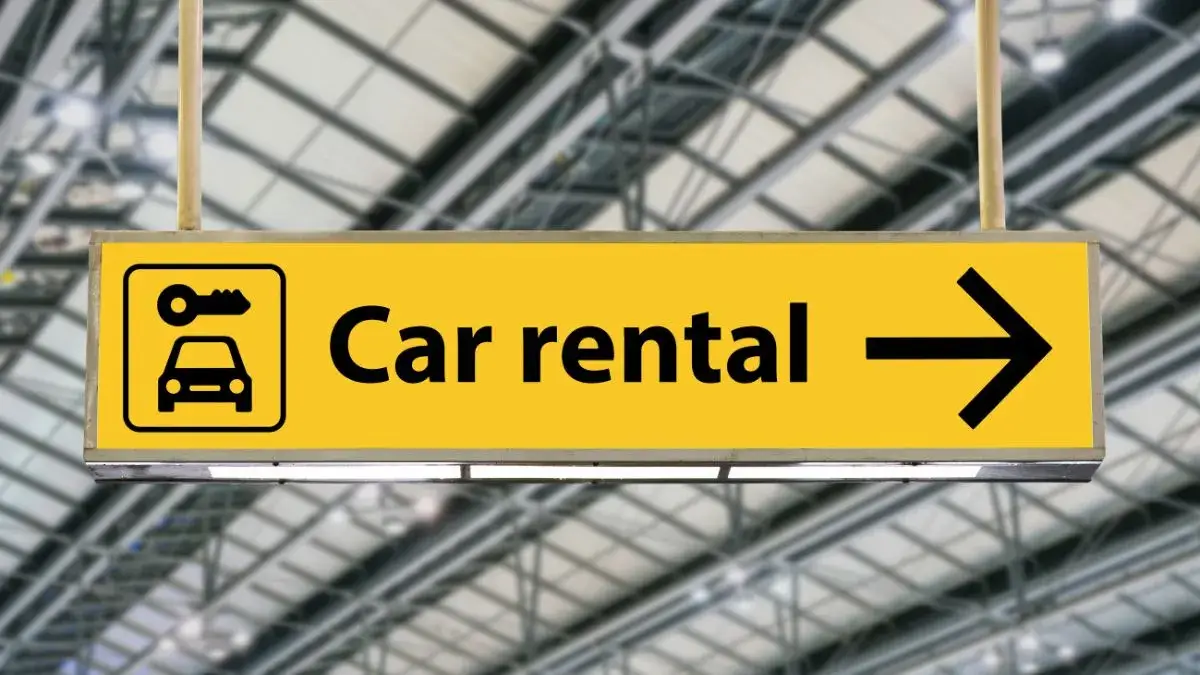
Renting a car looks simple until you see the final bill. You compare a few daily rates, pick a car that suits the trip and expect to pay roughly what was advertised. Then the total comes in higher, sometimes a lot higher, and you are left working out where it all went. The gap between the advertised price and the real one is usually not a mistake. It is fees, and most of them are avoidable once you know they exist.
This guide runs through the charges that push up car hire bills and how to dodge the ones you can. A little time spent reading the terms before you book saves real money at the counter.
Understand what the base price really covers
The daily rate you see online is rarely the whole story. It typically covers the car and not much else. Insurance upgrades, taxes, location surcharges and optional extras are often extra, and the base price is designed to look competitive so the add-ons can do the earning.
Treat the advertised rate as a starting point, not a final figure. Before you book, open the full price breakdown and check what is included. If the terms are not clear, ask. Rental companies rely on people assuming the basics are covered, so the cheapest quote on the comparison site is often the most expensive car by the time you add everything on.
Watch for airport and location surcharges
Picking a car up at the airport is convenient, and you pay for that convenience. Airport branches commonly add surcharges to cover their operating costs and the fees the airport charges the rental company. These are often buried in the terms and can be a significant slice of the total.
It is worth comparing an airport pickup against a nearby off-airport branch. A short taxi or shuttle ride to a city branch can sometimes save more than the transfer costs. The trade-off is time, so weigh the saving against the hassle, but do the comparison rather than defaulting to the airport counter.
Extra driver fees add up
Sharing the driving makes sense on a long trip, but many companies charge a daily fee for each additional driver. That fee can apply even to a spouse or a regular travel companion, and over a week it becomes a real cost.
Ask before you book how much extra drivers cost and whether any are included free. Make sure every person who will drive is listed on the agreement. Letting someone drive who is not registered can void the insurance, and that is a risk no saving is worth.
Age-based surcharges
Younger drivers usually pay more. If you are under 25, expect a daily surcharge on top of the base rate, because insurers consider younger drivers higher risk. Less commonly talked about, some companies also add fees for older drivers above a certain age.
These surcharges rarely appear in the headline price, so factor them in when you compare. If an age-based fee applies to you, it can change which company actually offers the best deal for your situation.
Insurance add-ons are where the real money is
Rental companies make a large part of their profit from insurance upgrades. Basic cover is usually included, but it comes with a high excess, the amount you pay if the car is damaged. At the counter you will be offered upgrades that reduce that excess, often framed as peace of mind.
Before you buy, check what you already have. Your own car insurance, travel insurance or credit card may cover rental car damage, sometimes including the excess. If you are already covered, the upgrade is money for nothing. If you are not, weigh the upgrade against the risk and the excess, and decide with the numbers in front of you rather than under pressure at the counter.
Fuel policies and refuelling charges
Fuel is an easy place to overpay. The most common arrangement is full to full: you collect the car with a full tank and return it full. Other options include prepaying for a tank you may not use, or returning the car and paying the company’s refuelling rate, which is always higher than the servo down the road.
Choose full to full wherever it is offered. Keep the receipt from your last fill as proof, and allow time to refuel before you return the car. Skipping the refill to save ten minutes is how people end up paying rental-company prices for fuel.
Late return and early pickup fees
Time is a fee trigger. Return a car even an hour late and you can be charged for an extra day, because the car is now late for the next booking. Some companies also charge if you pick up early and the car is not ready, or if you return outside opening hours.
Set a reminder for the return time and build in a buffer for traffic. If you are going to be late, call ahead. Many companies will note it or offer a grace period if they know in advance, whereas a silent late return gets the full charge.
Mileage limits and distance charges
Not every rental includes unlimited kilometres. Budget deals sometimes cap your daily distance and charge per kilometre over the limit, which adds up fast on a road trip. Always check the mileage terms before booking.
If you plan to drive a lot, an unlimited-kilometre deal is usually better value even when its base rate is a little higher. Estimate your distance first, then compare the two options with that number in mind.
Cleaning and smoking penalties
Returning a car in a mess can trigger a cleaning fee, and evidence of smoking can bring a heavy penalty on top of it. Companies are strict about this because a smoky or dirty car needs to be taken out of service to be cleaned before the next customer.
A quick tidy before you return saves money. Shake out the mats, bin the rubbish and do not smoke in the car at all. Pet hair counts too, so if you have travelled with a dog, allow time to vacuum.
Tolls and administration charges
Cars often come with a toll device fitted, which is convenient on a trip with toll roads. But using it usually adds a daily fee and an administration charge on top of the tolls themselves. Over several days those fees can exceed the tolls.
If you are comfortable paying tolls yourself, ask whether the device can be removed or opted out. If you keep it, factor the daily charge into your budget. Either way, know before you drive rather than discovering it on the final invoice.
Optional extras that are not optional
GPS units, child seats and roadside assistance packages are often presented as essential. Some genuinely are, especially a child seat if you are travelling with a young child. Others, like a GPS when your phone does the job, are easy to skip.
Bring your own accessories where you can, and only add extras you will actually use. The counter presentation makes each add-on sound small, but three or four of them can add a third to the daily rate.
Read the fine print before you sign
The fine print is not exciting, but it is where the truth about a car hire deal lives. Look for the sections on fees, exclusions and penalties. If anything is unclear, ask before you book rather than assuming.
Ten minutes reading the terms can save hundreds. It also means you know what you agreed to, which matters if there is a dispute later. A rental agreement is a contract, and you are better off knowing its contents before you sign it.
Compare the total, not the daily rate
The single most useful habit is to compare total prices rather than daily rates. When you have two quotes, work out the real cost of each with the same inclusions: the insurance you need, the fuel policy, the kilometres and any surcharges that apply to you. The deal that looks cheapest on paper is often not the cheapest in practice.
Photograph the car at pickup and return so you have a record of its condition, and keep your paperwork until any potential charges have passed. A few minutes of checking now beats a surprise on your credit card statement later.
Rent with your eyes open
Car hire does not have to be a financial trap. The fees that catch people are mostly predictable, and once you know them you can plan around them. Read the terms, compare real totals, check your existing insurance before buying upgrades and return the car the way you collected it.
Do that and the advertised rate stops being a tease and becomes what you actually pay. A rental car is meant to make a trip easier, and knowing what you are paying for is part of that.

One Car or Two? Working Out How to Move a Group Without the Shuffle

Bridging Visas: What You Are On While You Wait, and What It Actually Lets You Do

Your NDIS Plan Reassessment: What Happens, and What to Have Ready

The Science Behind Melbourne’s Unpredictable Climate: What’s Really Going On?

Plastic-Free Coffee Makers: Myth or Must-Have?

Zero Waste Toothpaste: What’s Worth the Switch and What to Look For
-
 Melbourne1 year ago
The Science Behind Melbourne’s Unpredictable Climate: What’s Really Going On?
-
Eco Friendly4 years ago
Plastic-Free Coffee Makers: Myth or Must-Have?
-
Eco Friendly4 years ago
Zero Waste Toothpaste: What’s Worth the Switch and What to Look For
-

 Automotive1 year ago
Wet Weather Tyres in Australia: What to Look For and When to Replace Them
-
 Eco Friendly4 years ago
Plastic Free Packaging: How to Keep Your Business Plastic Free
-
 Eco Friendly4 years ago
How Aussie Businesses Can Reduce Plastic Pollution
-

 Home & Garden1 year ago
Boost Productivity and Mood with a Deep Cleaned Space
-

 Financial1 year ago
How to Secure the Best Car Finance Deal: Tips for Negotiating and Saving Money